Noboa Removes Air Force Chief Two Days After He Sought Legal Limits on US Troops at Taura
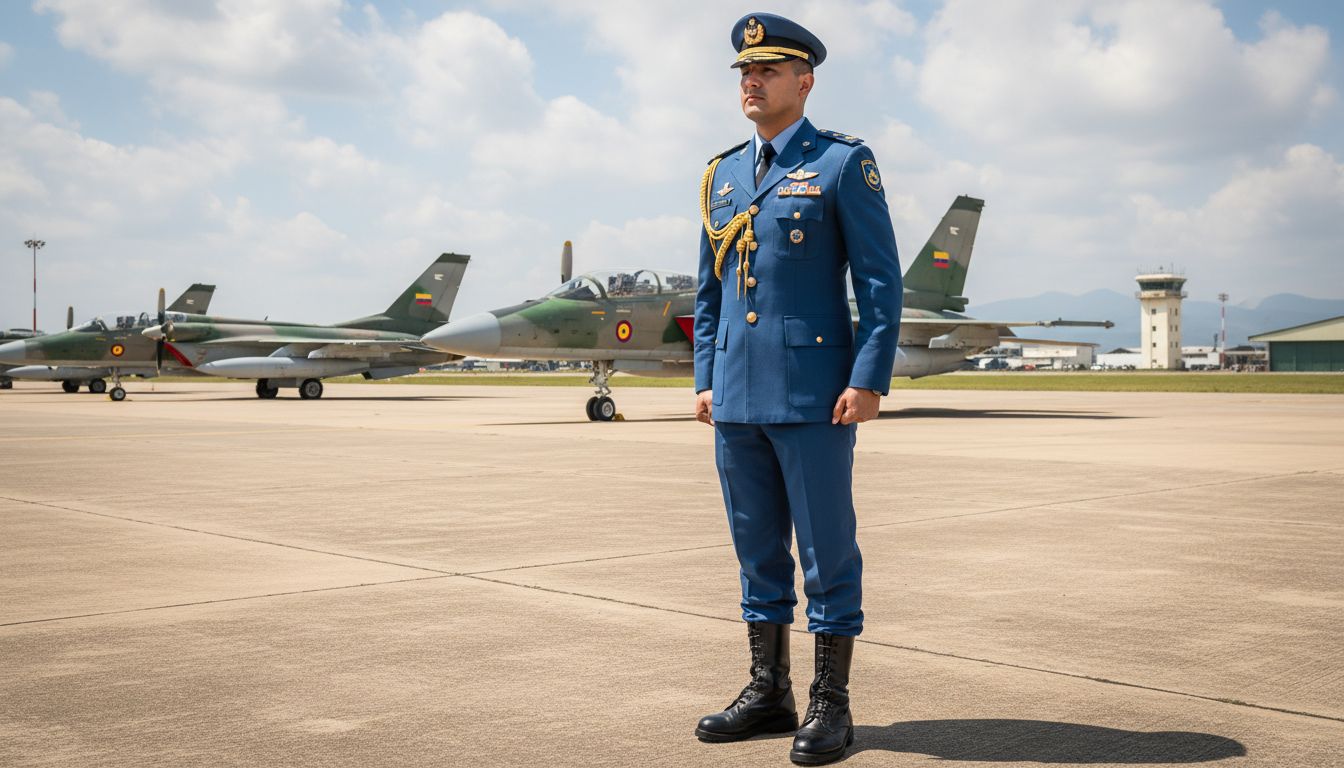
Noboa Ousts Air Force Chief Days After Legal Query on US Troop Presence
President Daniel Noboa signed Executive Decree 496 on September 10, 2026, removing Lieutenant General Mauricio Xavier Salazar Machuca as commander general of the Ecuadorian Air Force, known as the FAE. Brigadier General Mauro Enrique Bedoya Avilés was named as his replacement, formalizing a leadership change whose timing has drawn attention from several outlets covering the story.
Government materials and the decree itself describe the move in administrative terms, presenting it as a standard command transition. Officials have stated that the change does not alter officer seniority or provide additional economic benefits, framing it as procedurally routine.
The Memo That Preceded the Dismissal
According to reporting, Salazar sent an official memo, Oficio 4544-OF, on September 8, 2026 — two days before his removal — requesting legal directives clarifying the constitutional framework for temporary United States Air Force flight operations at Taura Air Base. Multiple outlets have noted this sequence of events, though none have confirmed a direct causal link between the memo and the dismissal. The connection, as reported, is inferential and based on timing rather than any official acknowledgment. No government statement has directly addressed why Salazar was replaced at this particular moment.
Constitutional Backdrop: Foreign Bases and Article 5
Ecuador's constitutional landscape shifted in June 2025, when a reform eliminated the country's historic prohibition on foreign military bases and installations, formerly enshrined in Article 5 of the constitution. Ecuador's Constitutional Court had previously issued several rulings addressing related matters, including status-of-forces agreements, overflight arrangements, and definitions of what constitutes a "foreign base." These rulings are relevant to ongoing questions about whether temporary USAF operations at Taura comply with the constitution as revised.
The 2025 reform opened legal space for expanded US military cooperation with Ecuador, but questions about implementation, oversight, and specific arrangements like those at Taura remain, according to available reporting, unresolved.
Who Is Mauro Bedoya Avilés
Bedoya previously led the Cyberdefense Command within the Joint Command of the Armed Forces. He has been recognized with the United States' Legion of Merit Medal. Official sources describe his appointment as consistent with normal institutional procedure, reiterating that it does not affect seniority or benefits within the military hierarchy.
Expanding US Military Footprint in Ecuador
Reporting cited in connection with this story references a broader pattern of deepening US-Ecuador security cooperation. Cited elements include the presence of Osprey aircraft, visits by US Navy vessels such as the USS San Antonio and USS Gridley, and a donated C-130 aircraft. Additional cited elements include an FBI office in Quito and security programs funded through the US Bureau of International Narcotics and Law Enforcement Affairs, known as INL. Some reporting places these developments within a larger framework referred to as "Escudo de las Américas," which observers use to contextualize the Taura arrangement within wider regional security initiatives.
Official Narrative vs. Independent Scrutiny
Government and decree language consistently frame Salazar's removal as routine and administrative, emphasizing institutional continuity. Independent and opposition-aligned outlets, by contrast, have drawn attention to the unusual timing of Salazar's request relative to his dismissal. Many observers note that the juxtaposition raises questions, even as no outlet has produced confirmation of an explicit link. A recurring theme in this coverage is whether temporary USAF operations at Taura could, in practice, resemble a foreign base arrangement under the terms of the revised constitution — a question that remains open pending further clarification from authorities.
What's Confirmed and What Remains Unverified
Several elements of this story are corroborated across multiple outlets: the issuance of Executive Decree 496, the appointment of Bedoya as the new FAE commander, and the existence of Salazar's prior memo requesting legal directives on USAF operations at Taura. What remains unverified is any official acknowledgment connecting that memo to the timing of his removal. The episode has prompted broader questions among some observers about transparency in military command decisions amid Ecuador's expanding defense cooperation with the United States, though these concerns are, at this stage, a matter of ongoing public discussion rather than confirmed fact.