Five Inmates Die in One Week at Cuenca's Turi Prison Amid National Reclassification Effort
Five Inmates Die in One Week at Cuenca's Turi Prison Amid National Reclassification Effort
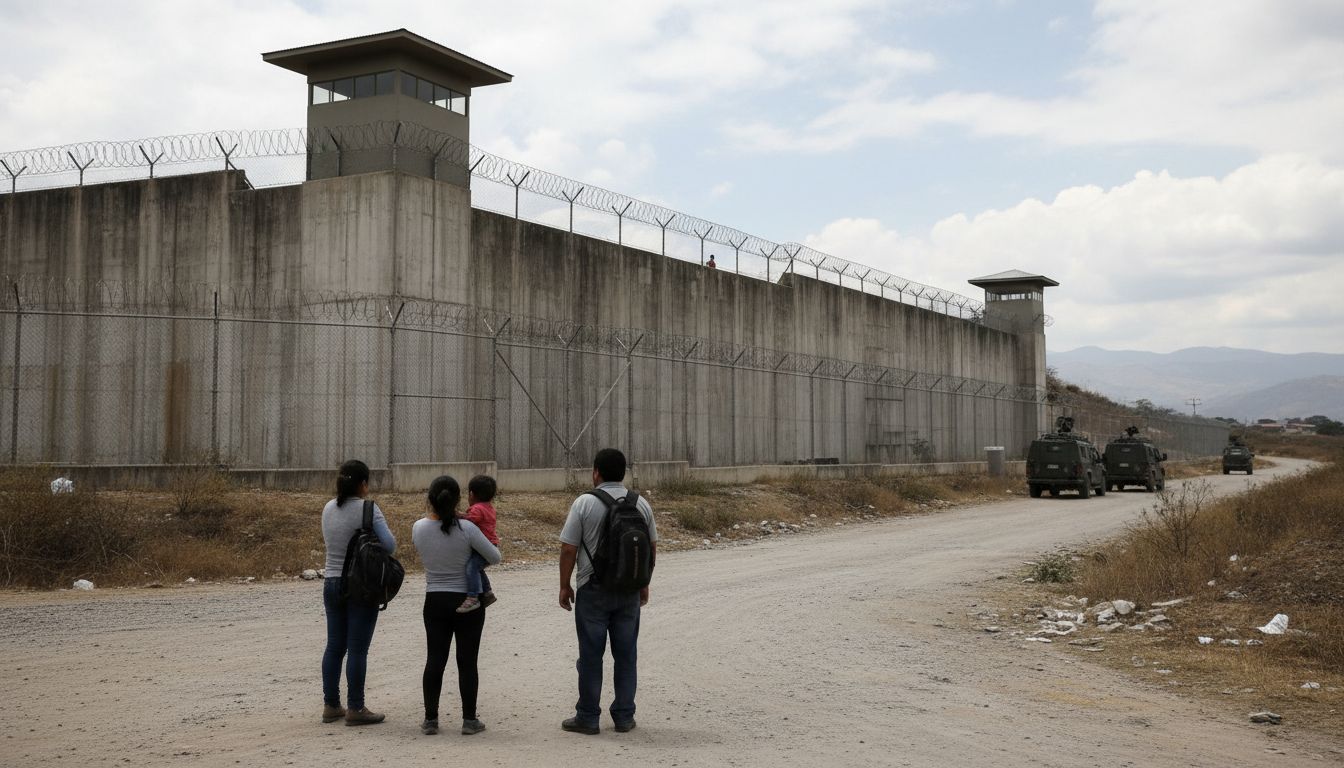
Five inmates died within a seven-day span at the Turi prison, formally known as CPL Azuay N.º 1, in Cuenca, Ecuador, between October 19 and 25, 2026. The cluster of deaths has drawn local attention in part because of its timing: it unfolded during an active national effort to reclassify thousands of inmates by security risk level. Many observers note that the coincidence of these two developments invites scrutiny, even though no confirmed causal link between them has been established in available reporting.
Five Deaths in Seven Days at Turi Prison
According to local reporting, five inmates died at the Turi facility over the course of a week, with the most recent death reported on the morning of October 25, when a body was received at approximately 10:40. The causes of the two most recent deaths remain unconfirmed, pending forensic and medico-legal results. Dinased, the national police investigative unit, is reportedly investigating the deaths, with officials including Stalin Salazar and Xavier Bermúdez named in connection with the case.
The individuals who died reportedly included a mix of profiles: some convicted, others in pretrial detention, and at least one case attributed to illness. Given this variation, a recurring concern among those following the story is whether these deaths share a common cause, but available reporting does not support presuming a single explanation. The circumstances of each case appear distinct, and officials have not publicly linked them to one another beyond their occurrence within the same facility and timeframe.
The Backdrop: A National Reclassification Effort
The deaths occurred against the backdrop of a broader national prison reclassification plan. On October 16, 2026, Ecuador's National Service for the Comprehensive Care of Adults Deprived of Liberty, known as SNAI, began working with the National Police to separate inmates by security level across multiple facilities. The initiative reportedly affects roughly 9,214 inmates across six penitentiary centers located in Cotopaxi, Azuay, Tungurahua, and Chimborazo.
At the Turi facility specifically, approximately 1,670 inmates were reportedly separated into four classification tiers: Mínima, Media, Máxima, and Máxima especial. Officials have framed the effort as part of a strategy to dismantle criminal command structures believed to operate from within prison walls, aiming to place greater state control over inmate populations according to risk profile.
Why the Timing Raises Questions
The fact that the deaths occurred during this active reclassification window has prompted some observers to ask whether the two developments are connected. It is worth stating plainly: no confirmed causal link between the reclassification process and the deaths has been established in the reporting reviewed. This remains an open question pending the outcome of forensic investigation, not an assertion of cause. A recurring concern is that large-scale reorganizations of inmate populations could introduce new risks or tensions, but this possibility has not been substantiated with respect to the Turi deaths specifically.
Systemic Context: Overcrowding and Prior Violence
These events are unfolding within a penitentiary system already under considerable strain. Ecuador's national prison population has reportedly surpassed 38,000, amid chronic overcrowding that has been a persistent concern for years. The country's prison system experienced a series of riots and mass-casualty incidents during 2026, part of a broader pattern of instability that observers have linked to gang influence and resource shortages within correctional facilities.
Viewed in this context, the deaths at Turi may reflect, at least in part, the ongoing pressures facing Ecuador's penitentiary system more broadly, rather than representing an isolated or unprecedented event. Still, drawing firm conclusions about systemic causes versus facility-specific factors would be premature without further investigation.
A Single-Source Picture: What's Missing
Much of the available reporting on both the deaths and the reclassification effort relies heavily on statements from SNAI and the National Police. Independent verification, perspectives from inmate advocacy groups, and input from forensic or criminal justice experts do not appear prominently in the coverage reviewed. This is a notable gap: official sources have described the reclassification initiative in terms of its strategic goals, but there is limited independent data confirming its outcomes or effectiveness so far.
Readers should treat claims about the reclassification program's success, as well as the causes of the Turi deaths, as officially unconfirmed pending further reporting and investigation. As forensic results become available and as the reclassification process continues, a fuller picture may emerge. For now, what is documented is a serious and concerning cluster of deaths occurring alongside a significant, state-led reorganization of the prison population—two facts whose relationship remains, by the best available evidence, undetermined.