Ecuador's El Niño Toll Jumps to 13,300 Affected in 21 Provinces, Up From 2,300 in 12 Days
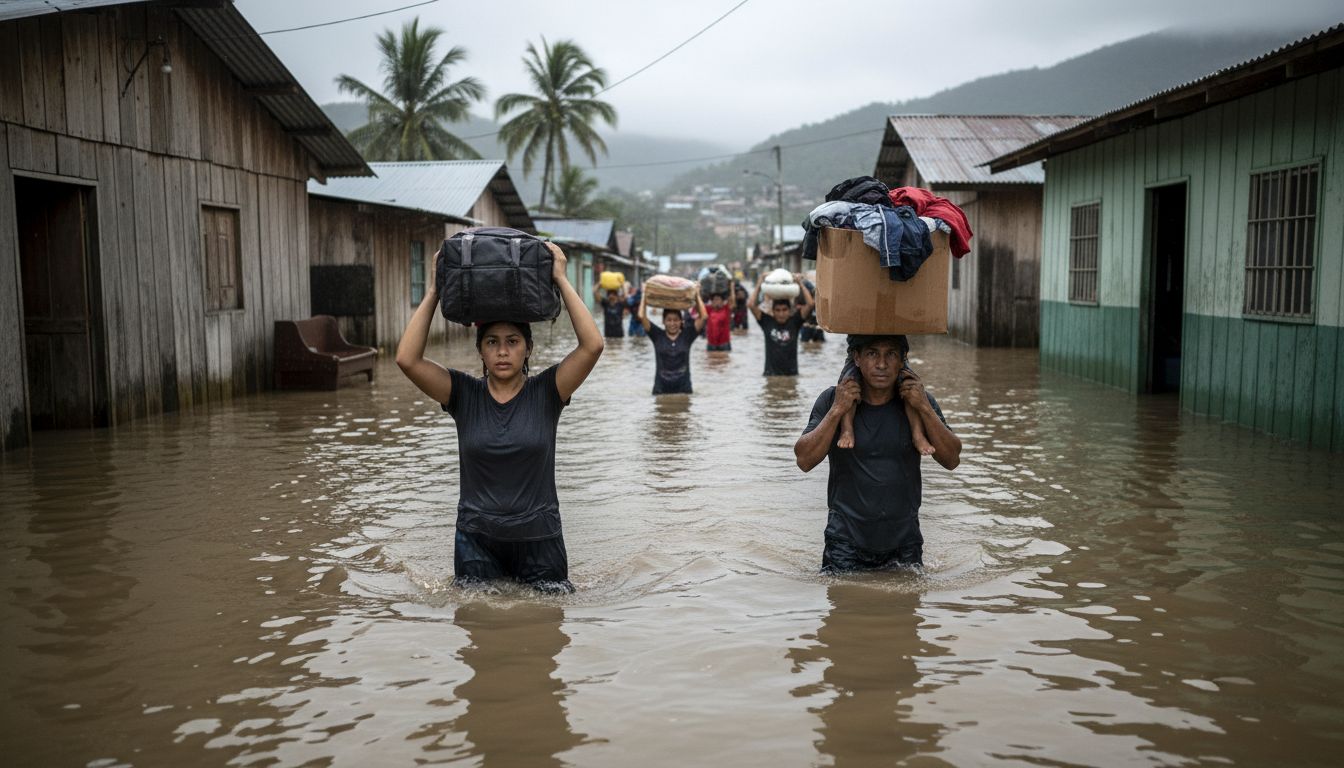
Ecuador's ongoing El Niño event has produced a sharp escalation in reported impacts over a short period, according to figures released by the Secretaría de Gestión de Riesgos (SNGR). The number of people affected nationwide rose from approximately 2,300 to more than 13,300 across 21 provinces in just 12 days, a jump officials describe as preliminary and likely to be revised as the rainy season continues.
El Niño Toll Jumps Sixfold in 12 Days, SNGR Reports
The SNGR recorded 215 El Niño-related events as of October 3, 2026. Many observers note that the pace of this escalation is notable even by the standards of past El Niño cycles in the region, though officials caution that the data remains a preliminary balance subject to change as reporting from affected cantons continues to come in.
Housing and Human Toll
Nationwide, 3,352 homes have been reported as affected and 33 destroyed. SNGR figures indicate 395 people, representing 188 families, have been left destitute. One confirmed fatality has been reported, in the canton of Pasaje, El Oro province, on September 26.
Agricultural and Infrastructure Damage
Agricultural losses are concentrated heavily in Los Ríos province, where 1,302 hectares of crops have been affected and 332 hectares destroyed. Road infrastructure has also sustained significant damage, with 4,556 linear meters affected nationwide, 74 percent of it concentrated in Esmeraldas province. Additional reports point to shrimp farm damage in Esmeraldas, compounding the economic toll on coastal communities that depend on aquaculture.
Case Study: Muisne Canton, Esmeraldas
A distinct flooding episode in Muisne canton, Esmeraldas, illustrates the human scale of the broader crisis. Preliminary data from the Provincial Emergency Operations Committee, known as the COE Provincial, and the ECU 911 emergency service indicate that roughly 800 families, or about 3,200 people, have been affected in the canton. Approximately 900 hectares of crops were affected, and in the community of San Francisco del Cabo, four homes were destroyed and four more declared uninhabitable.
Local resident María Hurtado Araujo described losing her home to the floodwaters, one of many individual accounts emerging from the canton as emergency crews continue assessment work. In response to the ongoing risk, the COE Provincial resolved on October 1 to remain in permanent session.
A Recurring Pattern of Vulnerability
A recurring consumer and civic concern raised in local reporting is the repeated exposure of the same riverside and coastal communities to flooding. In April 2026, flooding in the same region affected 120 families, approximately 450 people, and 120 homes, figures far smaller than the current episode but drawn from the same vulnerable geography.
Forecasts describing the current event as a "strong" El Niño suggest the potential for continued escalation in the weeks ahead. Officials and regional monitoring bodies have emphasized that the figures reported so far represent a snapshot of an evolving situation, and residents in at-risk cantons are being encouraged to stay alert to official alerts as the rainy season progresses.