Ecuador's Campaign Closes November 26 With 51,731 Candidacies and Over 13.8 Million Voters Called to the November 29 Polls
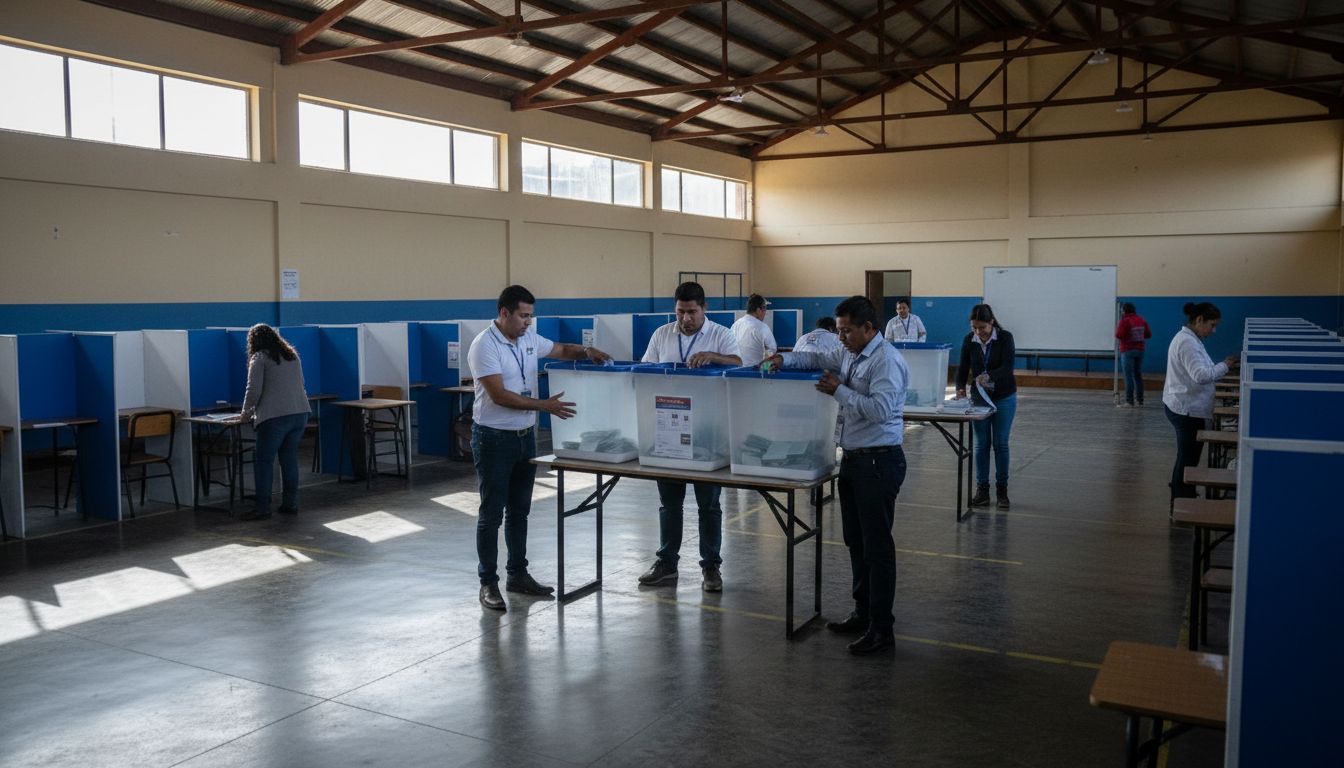
Ecuador's official campaign period for the November 29, 2026 seccional (local) elections and the CPCCS vote closed on November 26, 2026, after 15 days of regulated campaigning that began on November 12. With the campaign window now closed, a mandatory 48-hour blackout on political promotion is in effect ahead of Sunday's vote.
Campaign Period Officially Closes Ahead of November 29 Vote
The National Electoral Council, known as the CNE, enforced a strict 15-day campaign calendar running from November 12 to November 26, after which all candidate promotion was required to stop. The blackout period is intended to give voters a final stretch free of campaign messaging before heading to the polls. In total, the elections will fill 5,742 positions nationwide, including prefectures and vice-prefectures, mayoralties, councilor seats, parish board positions, and seats on the Council of Citizen Participation and Social Control, or CPCCS.
By the Numbers: Candidacies and Voter Rolls
According to CNE figures, 51,731 candidacies were ultimately validated across all 24 provinces, narrowed down from 53,560 original registrations submitted earlier in the process. More than 13.8 million Ecuadorians — 13,827,643, to be precise — are registered and eligible to cast ballots on November 29.
Candidate registration was not evenly distributed across the country. Azuay, Manabí, and Pichincha led with more than 4,000 registered candidates each, reflecting their larger populations and number of local offices up for election. At the other end of the spectrum, Galápagos registered the fewest candidacies, with just 268.
Regulatory Guardrails During the Campaign
Throughout the campaign period, the CNE organized 45 mandatory electoral debates to give candidates a structured platform to present their proposals. Campaign spending was regulated through the Fondo de Promoción Electoral, a public fund designed to support more equitable access to promotion across candidates and parties.
Candidates who campaigned outside the authorized calendar faced fines ranging from six to ten unified basic salaries, underscoring how seriously the CNE treats adherence to the official timeline. Logistics were not entirely smooth: the death of a candidate in Guayaquil delayed publication of the official candidate list, pushing its release from an initial target of November 9 to closer to November 12.
Why So Many Candidates? Analysts Point to Electoral Reform
The unusually high number of candidacies has drawn commentary from political analysts, who link it to a 2025 reform of Ecuador's Código de la Democracia. Under the updated rules, local political movements that fail to reach a 5% vote threshold in their jurisdiction risk losing their legal registration altogether.
Many observers note that this reform appears to have pushed political organizations toward a defensive strategy — fielding as many candidates as possible across available seats rather than carefully cultivating talent through internal party processes. Analysts quoted in local coverage characterized the resulting surge in candidacies as a sign of party "improvisation" and candidate "adventurism," suggesting that some candidacies may be driven more by the threshold rule than by long-term public service ambitions. These characterizations reflect the interpretive views of named political commentators rather than official CNE findings, and should be read as analysis rather than established fact.
Resources for Voters Ahead of Election Day
To help voters navigate the large pool of candidates, the CNE activated its "Voto Informado" platform, which allows citizens to review candidate profiles and proposed work plans ahead of casting their ballots. The tool is intended to give voters a more informed basis for their choices across the many contested positions.
Voting is scheduled for Sunday, November 29, 2026, when more than 13.8 million registered Ecuadorians are expected to head to the polls to decide thousands of local races across the country.