Ecuador says El Niño-linked rains have affected 17,056 people since August red alert
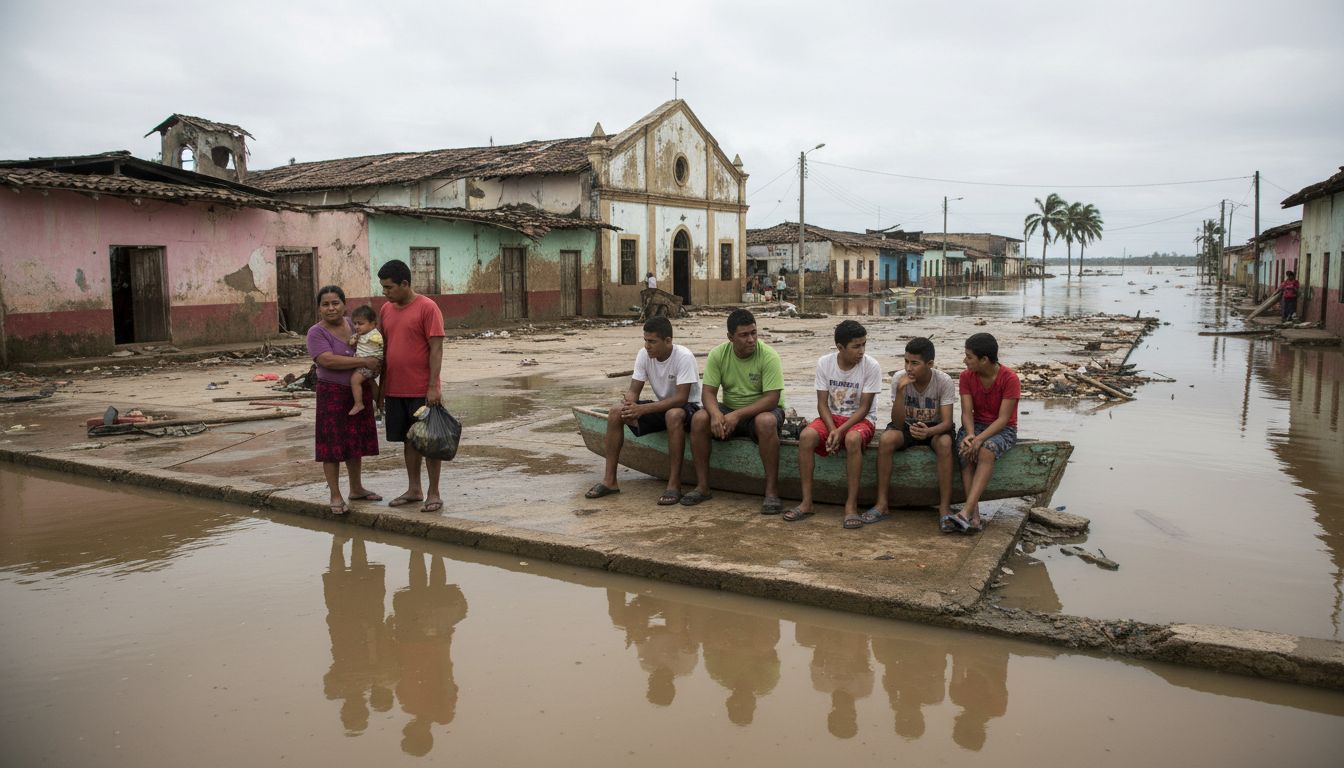
Ecuadorian authorities say intense rains linked to El Niño have affected 17,056 people nationwide since the red alert declared on August 29. Official figures, also cited by local media, put the number of homeless or displaced people at 1,306, underscoring the growing humanitarian strain as heavy rainfall continues in multiple parts of the country.
What the official damage figures show
According to Ecuador's risk management authorities, the rainy period has produced 326 adverse events across 22 provinces, affecting 100 cantons and 199 parishes. The damage extends beyond direct impacts on residents and includes significant losses to housing and infrastructure.
The same official tally shows that 4,847 homes have been affected and 16 destroyed. Authorities also report that seven bridges were damaged, one bridge was destroyed, and about 10.74 kilometers of roads were affected. Together, those figures point to a broad emergency disrupting transportation, access, and shelter in several regions.
Where the rains have hit hardest
Local media reports and official alerts describe the emergency as national in scope rather than concentrated in a single city or province. Flooding, landslides, rising rivers, and overflows have been recurring features, with coastal and other rain-prone areas facing heightened concern as El Niño remains active.
The pattern of damage suggests more than a series of isolated storms. It reflects a wider cycle of above-normal rainfall and unstable ground conditions. Authorities have continued to monitor river systems and vulnerable communities as conditions evolve.
Deaths, displacement, and humanitarian strain
At least one death has been reported in El Oro in connection with the atypical rainy season, according to local coverage citing official information. Beyond the death toll, the displacement of more than 1,300 people points to immediate needs for shelter, food, access, and continued emergency support.
Housing damage remains one of the clearest indicators of pressure on affected communities. Even when homes are not destroyed, widespread damage can leave families in unsafe living conditions, force temporary relocation, and complicate recovery for weeks or months.
Why authorities remain on red alert
Ecuador has remained under red alert since August 29 because of the evolution of El Niño, according to government monitoring and media reports. The designation reflects concern that the rainy pattern may continue and that additional flooding or landslides remain possible.
Recent official monitoring has pointed to the possibility of above-normal rainfall on the coast during October, along with a high risk of river rises and overflows in the near term. Because those concerns are forecast-based, authorities are emphasizing prevention, local preparedness, and close monitoring rather than treating the current toll as final.
What happens next
The national impact figures may continue to change as emergency teams assess more areas and as rains persist. For now, the official picture is of an ongoing weather emergency that has spread across much of the country and damaged homes, roads, and bridges on a wide scale.
Residents in vulnerable areas are likely to see continued alerts, response operations, and updated assessments in the coming days. Authorities have urged the public to follow official emergency channels for the latest information on rainfall, river conditions, and local safety measures.