Ecuador Pulls Big Industries Off the Grid Weekly as Azuay's Mazar Reservoir Sinks Toward Critical Levels
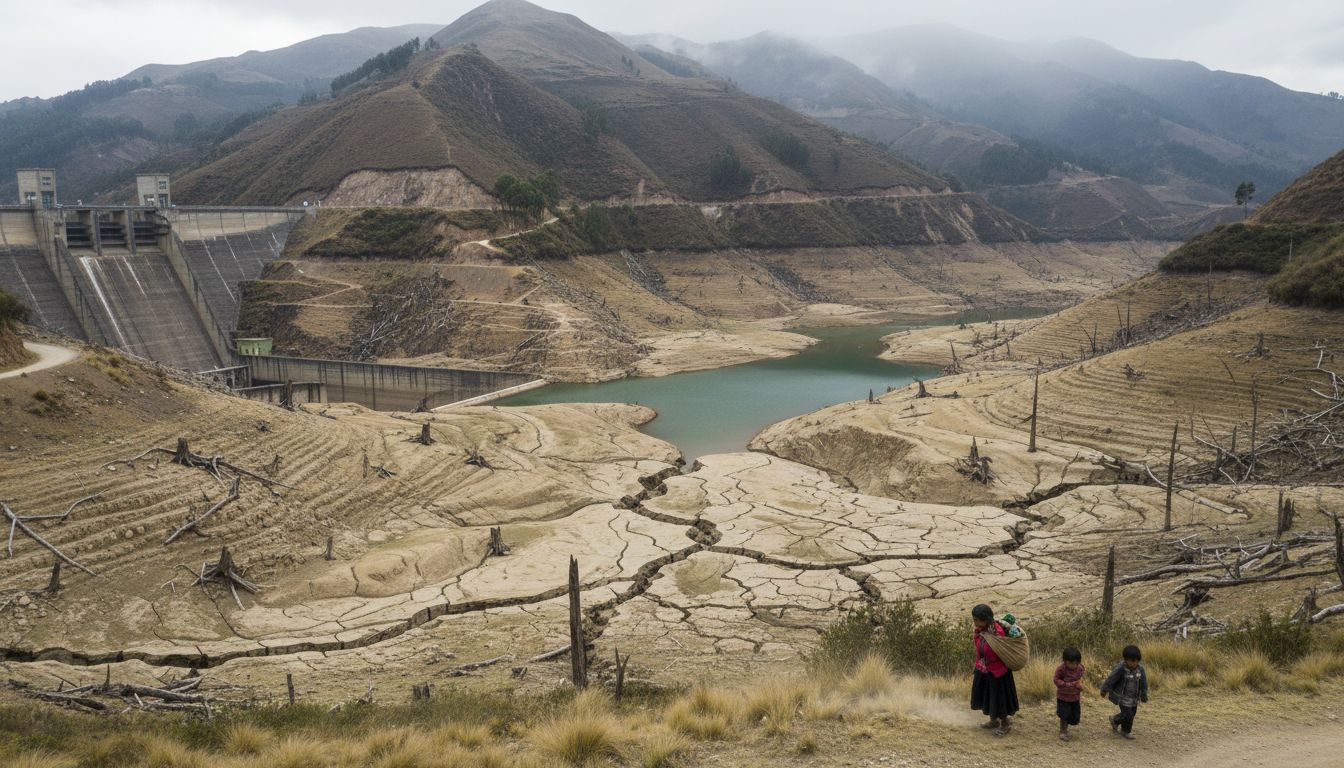
Ecuador's Industrial Sector Faces Weekly Grid Disconnections as Mazar Reservoir Levels Plunge
Ecuador's electricity system is under renewed pressure this September as water levels at the Mazar reservoir, which feeds the country's largest hydroelectric complex, have dropped sharply. In response, national authorities have implemented a demand-management plan requiring large industrial electricity consumers to disconnect from the national grid one day per week. Reports indicate that somewhere between 150 and 185 companies in the Alto Voltaje segment are participating in the measure, with firms in Azuay province among those affected.
The reservoir's elevation fell from approximately 2,147 meters above sea level in early September to around 2,133-2,134 meters by late in the month. Many observers note that this decline is unfolding earlier than the typical October-to-March dry season pattern, a shift some link to the anticipated influence of El Niño conditions on regional rainfall.
The Numbers Behind the Squeeze: Reservoir Thresholds and Inflow Shortfalls
Mazar's operational thresholds provide useful context for understanding the current situation. The reservoir's maximum level sits at 2,153 meters above sea level, with a critical threshold at 2,115 meters and an absolute minimum of 2,098 meters. As of late September, reported levels remained above the critical line, though the trend has drawn close attention from utility officials and energy watchers alike.
Inflow into the reservoir has run well below seasonal norms, with figures ranging from roughly 26 to 52 cubic meters per second against a historical September average near 75 cubic meters per second. The Paute-Mazar hydroelectric complex, with an installed capacity of 1,757 megawatts, is capable of covering up to 30 percent of national electricity demand, underscoring why fluctuations at this single reservoir carry outsized consequences for the broader grid.
A recurring concern among those tracking the situation is the memory of 2024, when similar critical reservoir levels contributed to nationwide blackouts. While current levels have not reached that threshold, the comparison has understandably shaped public and official attention to the unfolding trend.
Inside the Demand-Management Plan: Who's Affected and How Much Power Is Saved
The demand-management plan centers on the Alto Voltaje AV1 and AV2 industrial segments, which have agreed to disconnect from the national grid for one day each week. Officials have cited a target of reducing national daily consumption by approximately 3,100 megawatt-hours through this measure.
Reporting suggests that large energy consumers are geographically concentrated in the Guayaquil and Durán areas, even as the disconnection policy also touches industries in Azuay. There remains some uncertainty and limited public disclosure around exactly which companies are participating, a point that several accounts have flagged as a gap in transparency. Officials, including representatives from the regional electricity utility and government energy authorities, have offered reassurances that the measure is designed to avoid affecting production output, framing it as a managed, temporary adjustment rather than a crisis response.
Bridging the Gap: Emergency Generation and Fading Colombian Imports
To help offset the shortfall, the national government has authorized additional emergency generation capacity of around 200 megawatts through barge-mounted generators, reportedly involving vessels brought in from Turkey to support the Elecaustro utility. This kind of emergency generation is typically used as a bridge measure while hydrological conditions remain unfavorable.
Compounding the challenge, electricity imports from Colombia have dropped sharply. Ecuador's import capacity from its northern neighbor runs as high as roughly 450 megawatts, but actual imports fell to as little as 4.8 megawatts on a single day in late September. This decline follows stricter export conditions that Colombia introduced starting September 7, reportedly driven by that country's own drought concerns limiting its willingness to export surplus power.
Azuay's Industries Respond: The Push Toward Self-Generation
Against this backdrop, a notable trend has emerged among industries in Azuay province: reports indicate that around 40 local companies have invested in, or are actively considering, self-generation systems. Combined, these efforts could represent as much as 200 megawatts of potential generating capacity.
A recurring theme in coverage of the sector is that this shift toward self-generation reflects a broader hedge by industry against continued grid instability. Some observers frame it as a rational response to the recurring seasonal shortfalls that have affected Ecuador's hydro-dependent grid in recent years, rather than a one-time reaction to this particular dry spell.
A Temporary Reprieve: Rains Return to Cuenca and the Austro Region
Late September brought a shift in weather patterns, with rains returning to Cuenca and the broader Austro region. This rainfall has offered some relief to agricultural users and to river systems in the area, with monitored rivers showing flow measurements exceeding 2.71 cubic meters per second.
The rains have not been without complications. A landslide disrupted the Cuenca-Molleturo-El Empalme highway, a key regional route, highlighting the double-edged nature of intense precipitation following a prolonged dry spell. Many observers caution that this rainfall, while welcome, represents only partial relief. The broader dry-season risk to reservoir levels is not considered resolved, and continued monitoring is seen as necessary before drawing conclusions about a sustained recovery.
What's Next for Ecuador's Energy Security
The current situation reflects an intersection of hydrology, industrial policy, and regional energy diplomacy. Reservoir levels at Mazar remain the key indicator that officials, industry, and residents are watching closely, as continued decline could prompt escalation of demand-management measures, while sustained rainfall could ease pressure on the system.
A recurring consumer and industry concern is whether the current mix of emergency generation, demand reduction, and self-generation investment will be sufficient to avoid more disruptive outcomes if dry conditions persist. For now, officials have emphasized that the current measures are designed to manage the situation without affecting industrial production, though the coming weeks of hydrological data are likely to shape how the response evolves.