Ecuador Cuts Extra and Ecopaís Gasoline to $3.21 and Diesel to $3.15 a Gallon Starting September 12
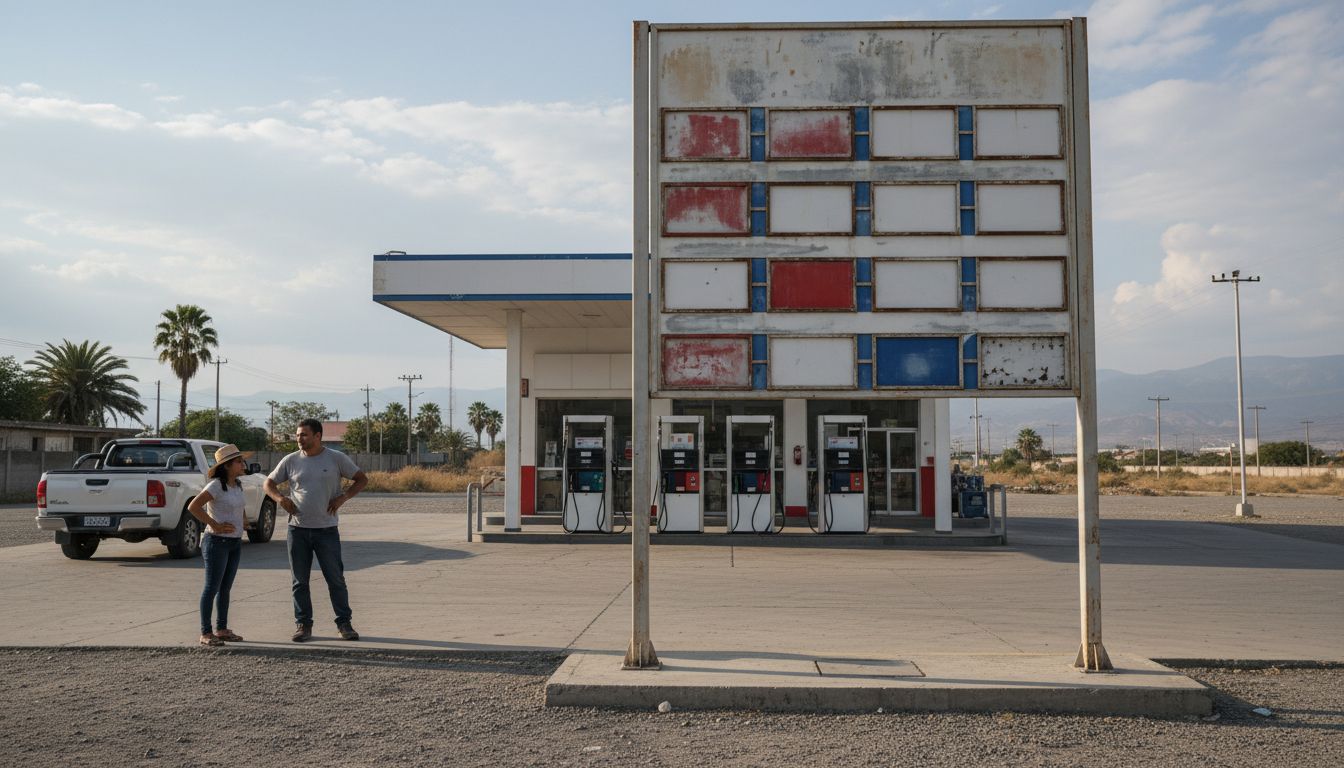
Ecuador's government has announced a third consecutive monthly reduction in fuel prices, effective September 12, 2026. Extra and Ecopaís gasoline will drop from USD 3.24 to USD 3.21 per gallon, while Premium diesel will fall from USD 3.18 to USD 3.15 per gallon. The announcement, made under President Daniel Noboa's administration, has been corroborated by multiple Ecuadorian outlets and the international wire service EFE.
Third Straight Monthly Cut to Gasoline and Diesel Prices
According to reporting from several Ecuadorian news organizations, the new prices mark the third month in a row that fuel costs have declined under the current pricing framework. The reduction applies to Extra and Ecopaís gasoline as well as Premium diesel, and takes effect on September 12, 2026.
A Notable Contrast: Domestic Prices Fall as Global Oil Prices Rise
The price cuts arrive alongside a rise in international oil benchmarks. West Texas Intermediate crude closed at USD 93.03 per barrel on September 8, 2026, up 1.7 percent. Government messaging has emphasized this divergence, framing it as evidence that Ecuadorian consumers are being insulated from global price pressures.
Many observers note that this framing originates primarily from official government communications, and independent economic analysis corroborating the sustainability or full context of this divergence has not been widely published at this time. The contrast between rising global prices and falling domestic prices should be understood as an officially promoted narrative rather than a conclusion reached through independent economic assessment.
How the Price Mechanism Works
Ecuador's current fuel pricing approach relies on a "banding" mechanism first introduced for gasoline in July 2024 and extended to diesel in December 2025. This system is designed to moderate how changes in international import costs are passed through to consumers, rather than allowing prices to fluctuate in direct lockstep with global markets.
The mechanism was further modified by two executive decrees. Decreto Ejecutivo No. 444, issued in July 2026, created an exceptional mechanism for fuel pricing. Decreto Ejecutivo No. 468, issued in August 2026, introduced additional reforms to the pricing framework. Together, these decrees appear to have altered how import cost changes are reflected in the prices consumers ultimately pay, though the precise mechanics of these adjustments involve technical and legal detail that go beyond the scope of public announcements alone.
Context and Open Questions
This marks the third consecutive monthly reduction under the current pricing framework, a pattern that has drawn attention given the contrasting direction of international oil prices. A recurring consumer concern is whether these reductions can be sustained through the remainder of 2026, as some government statements have suggested may be possible.
Questions about the political timing and motivations behind the reductions have circulated in public discussion, but these remain unconfirmed by the sourcing currently available and should be treated as open questions rather than settled conclusions. Similarly, the fiscal sustainability of continued price cuts is not something that can be verified from the available reporting alone, and readers should view claims about future price trajectories as provisional pending further confirmation from independent economic analysis or additional government disclosures.