Azuay and Cañar Among Nine Provinces Reporting Rain Emergencies as National Red Alert Continues
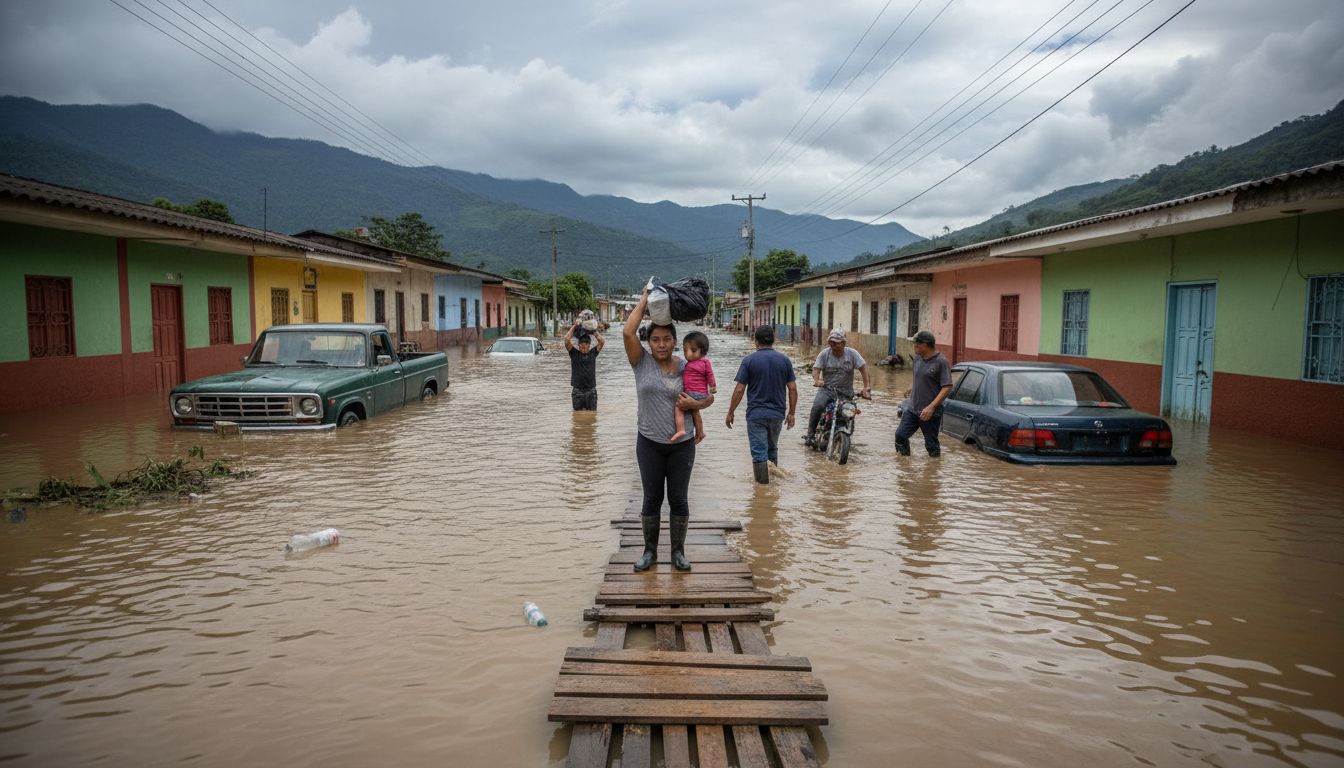
Ecuador's national red alert for rain-related emergencies remains in effect, and recent reporting places Azuay and Cañar among nine provinces that registered emergency events as heavy rains tied to the El Niño phenomenon continue to affect the country.
National Red Alert Expands as El Niño Rains Intensify
The alert status traces back to resolution SNGR-238-2026, which has kept 24 provinces under red alert since August 29, 2026, in response to rainfall increases associated with El Niño. Ecuador's national meteorological service, INAMHI, has continued to issue forecasts projecting above-normal precipitation across much of the country, and these forecasts underpin the ongoing alert. A red alert designation matters practically: it shapes how resources are allocated and determines the level of readiness expected from emergency response agencies at the national and local level.
Azuay and Cañar Join Seven Other Provinces in Reporting Emergencies
According to reporting on the October 26-27 window, nine provinces—including Azuay and Cañar—registered emergency events. Officials and reporters have consistently drawn an important distinction: inclusion in national monitoring or alert status does not automatically mean confirmed flooding or damage occurred in every affected locality. Some provinces appear primarily under precautionary monitoring, while others have reported verified, on-the-ground damage. This distinction helps explain the uneven severity of impacts across the listed provinces.
October 26 Snapshot: 18 Emergency Events Nationwide
A preliminary balance from October 26 recorded 18 emergency events nationwide. Officials reported 49 people affected, three displaced, and 13 homes damaged in that single day. One home was reported destroyed in Santa Elena province. In Bolívar, a bridge was affected, underscoring that infrastructure damage extended beyond residential properties into transportation routes critical for local communities.
Guayaquil's Los Ceibos and Urban Flooding Pressures
Flooding was particularly concentrated in Guayaquil's Los Ceibos sector, where on-the-ground descriptions pointed to muddy water accumulation and submerged areas amid broader strain on the city's drainage systems. A recurring concern among residents was the pace of cleanup: reports noted that no machinery had arrived to assist with recovery efforts by midday following the storms, raising questions about response times.
Escalating Toll: From 18 Events to 437 Adverse Incidents
The cumulative scale of the situation has grown since the alert began in August. One tally places the total at 437 adverse events nationwide since the start of the red alert period. More recent reporting adds that 74 new emergencies were registered between November 1 and 3 alone, a pace that suggests a sustained and compounding pattern of impact rather than a single isolated storm cycle.
Forecast Risks: Heavy Rainfall and Landslide Threats Ahead
INAMHI's forecasts point to continued heavy rainfall, potentially exceeding 40mm, in Guayas, Los Ríos, Bolívar, and El Oro. Authorities have flagged an elevated risk of landslides and river overflow in both the Sierra and Costa regions as rains persist. Compounding these hazards, reports have also cited deteriorated utility infrastructure—including leaning poles—as an additional risk factor that could worsen outcomes if severe weather continues.
What Comes Next for Affected Communities
For displaced residents and those with damaged homes, access to emergency support remains an ongoing need as the situation evolves. SNGR and INAMHI continue to coordinate response efforts and issue updated risk assessments as new data comes in. How the red alert status evolves in the coming weeks will depend largely on the persistence of El Niño-driven rainfall patterns through the remainder of the season, with further escalation possible if forecasts hold.