28 Fishermen Return to Manta Handcuffed After US Sinks Two Boats Linked by Officials to Los Choneros
28 Fishermen Return to Manta Handcuffed After US Sinks Two Boats Linked by Officials to Los Choneros
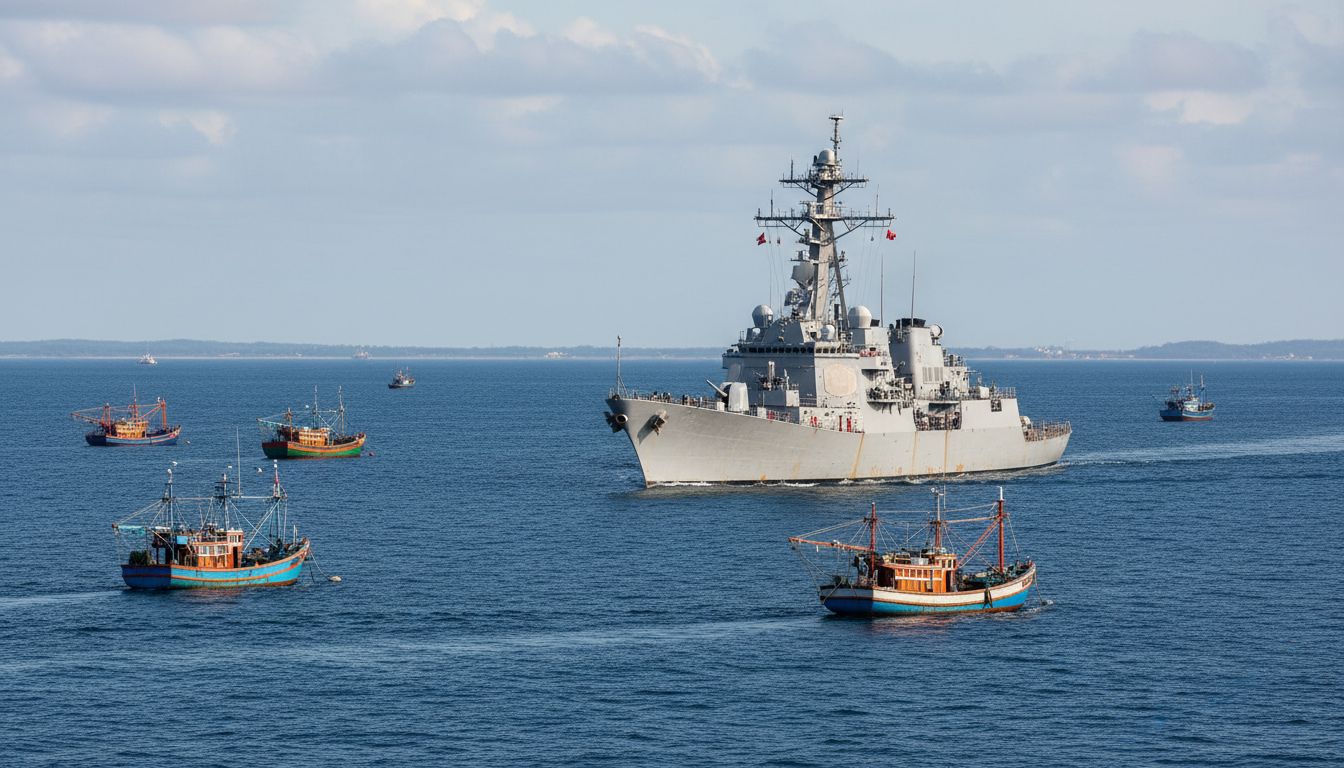
Twenty-eight crew members from two Ecuadorian fishing vessels arrived in Manta on September 4, handcuffed and awaiting judicial proceedings, after their boats were intercepted and sunk by US military forces in the eastern Pacific. Nine crew members came from the vessel Conquista II and nineteen from OM2. They were transported to port aboard an Ecuadorian Navy coast guard vessel, arriving to a community that had been anxiously awaiting their return.
The scene in Manta was a contested homecoming. Families and neighbors gathered at the port, and many observers noted that the handcuffed arrival of men described locally as fishermen stirred sympathy alongside official suspicion. The crew's return marks the latest chapter in a fast-moving series of interdictions that has drawn scrutiny from both government officials and the families of those detained.
Timeline: Interceptions and Sinkings in the Eastern Pacific
According to available reporting, US forces operating from the USS San Antonio intercepted and sank the Conquista II and OM2 between August 28 and September 3. A third vessel, identified as Los Tres Hermanos, was also reportedly destroyed during the same operational window. Boarding operations were described by US military sources as having been conducted without incident, with Marines and sailors securing the vessels before they were emptied of crew and sunk.
The sequence of events, spanning roughly a week, has prompted questions among some observers about the pace and scope of the interdiction campaign, and whether each vessel was subject to the same level of scrutiny before being targeted.
US Southern Command's Narco-Trafficking Allegations
US Southern Command publicly characterized the vessels as "narco-terrorist refueling stations," alleging they were being used to support drug-trafficking logistics tied to the Los Choneros criminal organization. Southern Command presented these claims through official military statements and social media posts, framing them as the product of intelligence-driven action.
It is important to note that these allegations remain attributed to US government sources and have not been independently verified by non-governmental parties in available reporting. A recurring concern among those following the story is the extent to which the public should treat military statements as conclusive given the absence of independent confirmation.
Ecuadorian Officials Defend the Operation
Ecuador's Interior Minister and Navy officials have defended the operations, asserting that they followed established intelligence and tracking processes rather than snap judgments. Officials explicitly denied that any "error" occurred in identifying or targeting the vessels, framing the interdictions as part of a broader, ongoing anti-trafficking enforcement effort in the region.
Government statements have emphasized that the operations were coordinated between US and Ecuadorian forces and were not conducted arbitrarily. However, these assurances have not fully quieted public concern, particularly among those close to the detained crew members.
Families and Crew Dispute the Trafficking Narrative
The boat owner and relatives of the crew insist that the vessels were engaged in legitimate fishing activity at the time they were intercepted. Crew members themselves have maintained their innocence, denying any connection to Los Choneros or drug-trafficking logistics.
Beyond the pending legal questions, the families face a separate and immediate hardship: the vessels were reportedly uninsured, meaning their destruction represents a significant financial loss regardless of how the judicial process concludes. A recurring concern raised by locals is that fishing crews may bear disproportionate risk in operations aimed at larger trafficking networks.
Community Response in Manta
Reports indicate that the crew's return was accompanied by protests and road blockades in parts of Manta, reflecting distrust among some residents toward the official narrative. Concerns have also been raised about due process for the detained crew members, who remain handcuffed and awaiting formal hearings.
Among local fishing communities, there is reportedly broader unease about the criteria used to identify vessels as trafficking-linked, with some residents questioning whether ordinary fishing operations could be mistaken for illicit activity under the current enforcement approach.
Context: A Pattern of US Interdictions in the Region
This incident fits into a wider pattern of US military action against suspected trafficking vessels in the eastern Pacific throughout 2026. The repeated interceptions and sinkings have raised questions among observers about the scope, criteria, and oversight applied to joint US-Ecuador operations.
At the center of the story remains an unresolved tension: official state and military sources describe a targeted, intelligence-driven campaign against narco-trafficking logistics, while affected families and crew members describe ordinary fishermen caught in an aggressive enforcement dragnet. As judicial proceedings move forward, both narratives remain in contention, and no independent verification of the trafficking allegations has yet been presented in available reporting.