Will Smith, Cueva de los Tayos, and the Pull of Ecuador’s Greatest Cave Legend
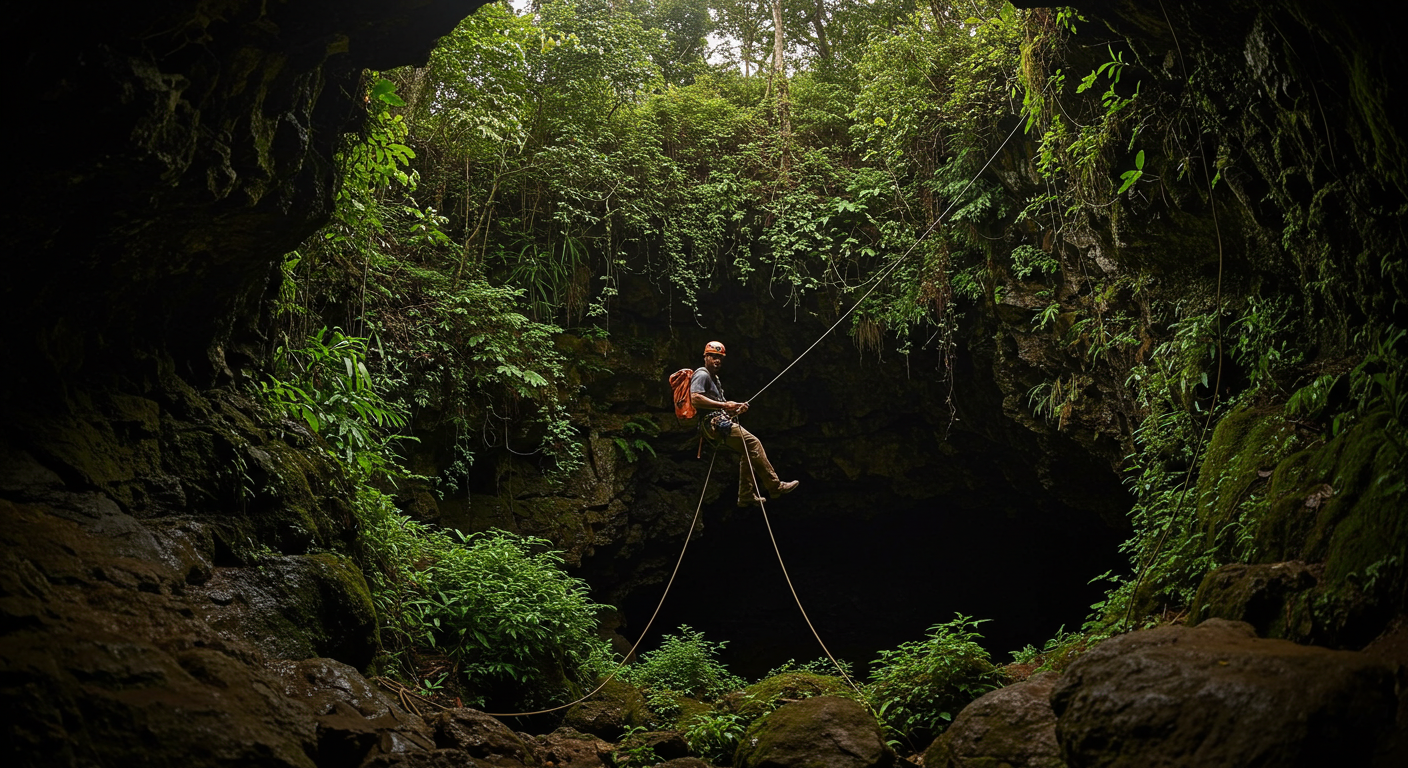
Few story elements travel faster than a celebrity, a risky descent, and a cave wrapped in decades of mystery. That is what makes the idea of Will Smith rappelling 60 meters into Ecuador’s Cueva de los Tayos so instantly compelling. Even without firm sourcing for every detail, the story taps into something real: the way Ecuador’s most dramatic places can grow larger than life in the global imagination.
Why This Story Caught Attention
Cueva de los Tayos has long held a special place in adventure storytelling. It is remote, visually striking, and tied to one of the most persistent legends in South American exploration lore. Add a world-famous actor to that setting, and the result feels cinematic before anyone even asks what is verified and what may have been embellished.
That mix is exactly why the story is worth looking at carefully. The cave itself is real, important, and fascinating. Some of the stories told about it, however, belong more to the realm of legend than established history.
What Is Cueva de los Tayos?
Cueva de los Tayos is a cave system in Ecuador that has drawn explorers, researchers, and curious travelers for decades. Its reputation comes partly from the physical challenge of reaching it and partly from its location in a region many outsiders associate with deep jungle, difficult access, and hidden histories.
For many international readers, the cave represents a particular kind of Ecuadorian mystique: a place where geography, Indigenous history, expedition culture, and myth overlap. That combination has made it one of those rare places people talk about not just as a destination, but as a symbol of the unknown.
The Legend of the “Metal Library”
No discussion of Cueva de los Tayos stays grounded for long before arriving at the legend of the so-called “metal library.” In speculative accounts repeated for years, it is described as a hidden cache of metallic tablets or engraved sheets somewhere inside the cave.
It is important to separate that legend from established archaeological fact. The “metal library” is best understood as part of the mythology surrounding the cave, not as a documented discovery accepted as historical proof. Its staying power says less about confirmed evidence and more about how strongly people want certain places to hold secrets.
That desire is part of the cave’s international appeal. A cave can be geologically interesting, culturally meaningful, and historically important on its own. But once a story of lost knowledge or hidden archives enters the picture, fascination tends to multiply.
Did Will Smith Really Descend Into the Cave?
The claim that Will Smith descended 60 meters into Cueva de los Tayos should be treated cautiously unless direct verification emerges. It may reflect a real filmed or reported adventure, or it may be a simplified retelling that spread because it fits so neatly into the cave’s larger legend.
Either way, the story works because celebrity adventure narratives often move faster than the documentation behind them. Audiences are naturally drawn to the image of a globally recognized figure entering a place already associated with danger and mystery. It is a powerful image, whether every reported detail has been fully confirmed or not.
In that sense, the Will Smith angle says something broader about modern storytelling. Places like Cueva de los Tayos are no longer known only through maps, local history, or expedition reports. They also circulate through entertainment culture, travel media, and viral fragments of narrative that can blur the line between fact and atmosphere.
Why Ecuador’s Adventure Mystique Resonates Globally
Ecuador has an unusual ability to inspire this kind of fascination. For international audiences, it often appears as a country of dramatic contrasts: high Andes, dense forest, volcanic landscapes, remote routes, and stories that seem to sit halfway between history and myth.
Cueva de los Tayos fits that image perfectly. In the public imagination, it is not just a cave. It becomes a portal into a larger idea of Ecuador as a place where adventure still feels raw and discovery still seems possible. That helps explain why stories connected to it continue to travel far beyond the people who have actually visited the area.
For expats and long-term observers of Ecuador, this feels familiar. The country is often introduced to outsiders through its most extraordinary narratives first. The challenge is to appreciate the wonder without letting spectacle replace accuracy.
What to Treat as Fact, and What to Treat as Legend
Some parts of this story are straightforward. Cueva de los Tayos is a real and famous cave in Ecuador. It has a long-standing reputation as a site of exploration and intrigue. It has inspired decades of international curiosity.
Other parts belong in a more careful category. The “metal library” is a legend, not an established fact. The reported detail that Will Smith rappelled 60 meters into the cave should not be treated as definitive without reliable confirmation.
That distinction does not make the story less interesting. If anything, it makes it more revealing. Cueva de los Tayos continues to matter because it sits at the meeting point of place, imagination, and storytelling. The cave is real. The fascination is real. The myths are part of the story too, as long as we remember they are myths.
For readers drawn to Ecuador’s more mysterious side, that may be the best takeaway: curiosity has value, legends have power, and the most memorable stories are often the ones that invite wonder while still respecting the difference between what is known and what is only hoped for.