Why I Can Never Go Back to the Same Restaurant
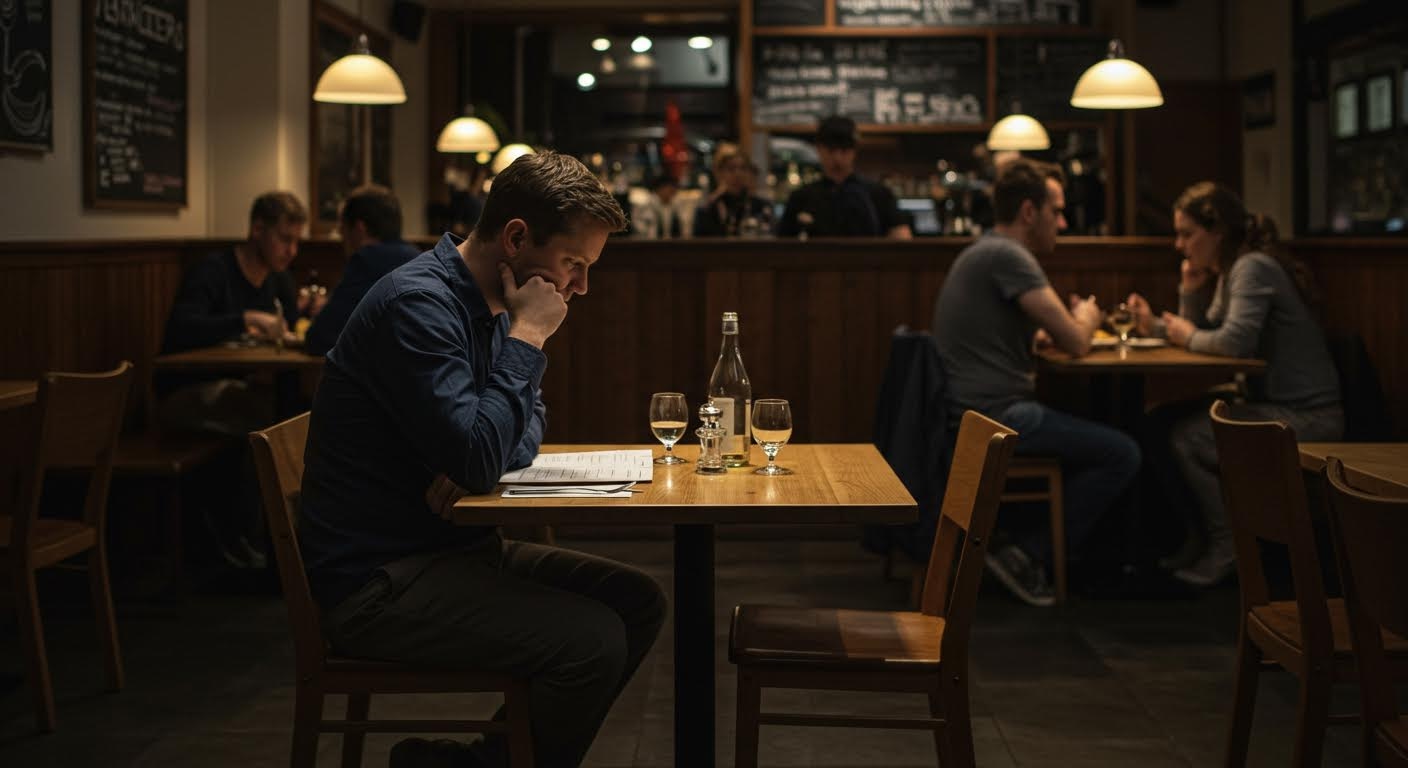
There's a little Italian place three blocks from my apartment in Cuenca that serves the most incredible osso buco I've ever tasted. The owner remembers my name, the wine pairings are perfect, and the atmosphere feels like a warm embrace after a long day. I've been there exactly once.
This isn't about the restaurant. It's about me, and a peculiar condition that seems to afflict expats everywhere: the inability to return to the same dining establishment twice. What started as adventurous eating has evolved into something closer to an obsession—a compulsive need to always try somewhere new.
The Discovery Addiction
Living abroad awakens something primal in the appetite—not just for food, but for experience itself. Every meal becomes a potential revelation, every restaurant a doorway to deeper cultural understanding. There's an intoxicating rush that comes with discovering a hole-in-the-wall that serves the most authentic cuy, or stumbling upon a family-run panadería where the bread is still warm at 6 AM.
But somewhere along the way, this healthy curiosity transformed into something more demanding. The fear crept in that loyalty to one restaurant—no matter how exceptional—meant missing something extraordinary around the corner. What if the next place serves even better lomo saltado? What if there's a hidden gem just two streets over that I'll never discover because I'm too comfortable with my current favorite?
This isn't just about maximizing dining experiences. It's about maximizing life itself, driven by the expat's constant awareness that this adventure is temporary, that every meal not optimized is somehow a small failure of living abroad.
When Familiarity Feels Like Failure
The guilt hits hardest when I catch myself gravitating toward the familiar. Last week, I almost ordered the same ceviche I'd tried before, then stopped myself mid-sentence and asked for the menu again. The waiter looked confused. I felt embarrassed—not about the menu confusion, but about my near-betrayal of the exploration mandate.
There's an internal voice that whispers accusations when routine creeps in: You moved thousands of miles away to eat the same thing twice? You're wasting this opportunity. You could be in Kansas doing this. Every repeated order feels like evidence that I'm not maximizing the cultural immersion that justifies this entire expat adventure.
The pressure transforms every meal into a cultural performance, where authenticity is measured by novelty and success by the number of new experiences accumulated. Ordering the safe option—the dish I already know I'll enjoy—feels like cheating, like taking the easy path when I should be challenging my palate and expanding my worldview one bite at a time.
The Menu Maximalist Mindset
I've developed what I call the "menu maximalist mindset"—a compulsive need to work through entire menus before even considering a return visit. It's methodical and slightly obsessive. I photograph menus, keep mental notes of what I've tried, and calculate how many visits it would take to experience everything a restaurant offers.
The math is depressing. A typical restaurant in Cuenca might have thirty dishes I want to try. If I visit monthly, that's two and a half years just to sample everything once. Factor in seasonal specials, daily variations, and the constant discovery of new restaurants, and the task becomes mathematically impossible.
Yet I keep trying anyway, driven by some misguided belief that comprehensive culinary coverage is achievable—that I can somehow experience every flavor this country has to offer if I just stay disciplined about never repeating myself. The abundance of choice that should feel liberating instead creates a peculiar form of decision paralysis where every selection carries the weight of all the options not chosen.
Social Dining and the Variety Imperative
The pressure intensifies when friends visit. Suddenly I'm not just feeding myself—I'm curating their entire Cuenca experience. Taking them somewhere I've been before feels like poor hosting, like I haven't done my homework as their local guide. They expect me to have a mental database of diverse dining experiences, each perfectly suited to different moods and occasions.
"Where should we eat?" becomes a loaded question. They want authenticity, novelty, Instagram-worthiness, and value, all wrapped up in a recommendation that proves I'm not just surviving abroad but thriving, exploring, becoming a local expert. Suggesting the same place twice makes me feel like I'm failing at the expat social contract.
I've become a reluctant curator of dining experiences, collecting restaurants like badges that prove my integration into local culture. Each new discovery adds to my credibility as someone who has truly embraced life abroad, while revisiting old favorites feels like admitting I've run out of material—that my exploration has stalled.
The Deeper Psychology of Culinary Commitment
The more I examine this restaurant avoidance, the more it reveals itself as a mirror for broader expat anxieties about commitment and belonging. Just as I struggle to put down deep roots in any one community, I resist developing dining habits that might anchor me too firmly to routine.
There's something about choosing the unknown dish that feels more authentic to the expat experience—more honest about my status as an outsider still learning, still discovering. Ordering with confidence suggests a familiarity that might be premature, a comfort level that hasn't been earned through sufficient cultural exploration.
Food exploration becomes a form of identity formation, each new restaurant visit adding another layer to my expat persona. The breadth of my dining experiences serves as proof of successful cultural integration, evidence that I'm not just living here but truly experiencing what this place has to offer. Repetition threatens that narrative, suggesting I've settled into patterns that any local might follow.
What I'm Really Running From
But lately, I've begun to suspect that this constant novelty-seeking has become its own limiting routine—a different kind of prison disguised as freedom. The compulsive avoidance of familiar restaurants isn't expanding my world; it's preventing me from deepening my relationship with the places and people that could become meaningful parts of my life here.
That Italian restaurant owner who remembers my name? He represents something I'm avoiding: the possibility of belonging somewhere specific, of being known and welcomed not as a curious tourist but as a regular customer, a familiar face, perhaps even a friend. The osso buco isn't just a dish—it's an invitation to relationship, to the kind of deeper cultural connection that comes not from breadth of experience but from depth of engagement.
Maybe the real adventure isn't in discovering every restaurant in Cuenca, but in allowing myself to be discovered by one or two places that could become home. Maybe authenticity isn't about constant exploration but about finding the courage to stop moving long enough to let roots grow, even if those roots start at a small table in an Italian restaurant where someone is happy to see me return.
The osso buco will still be extraordinary the second time. The owner will still remember my name. And perhaps, in learning to revisit one small place with intention rather than exploring endless new places from obligation, I'll discover something more valuable than novelty: the profound comfort of choosing to belong somewhere, one meal at a time.