Why a Reported Caranqui Museum Project Could Matter Far Beyond Opening Day
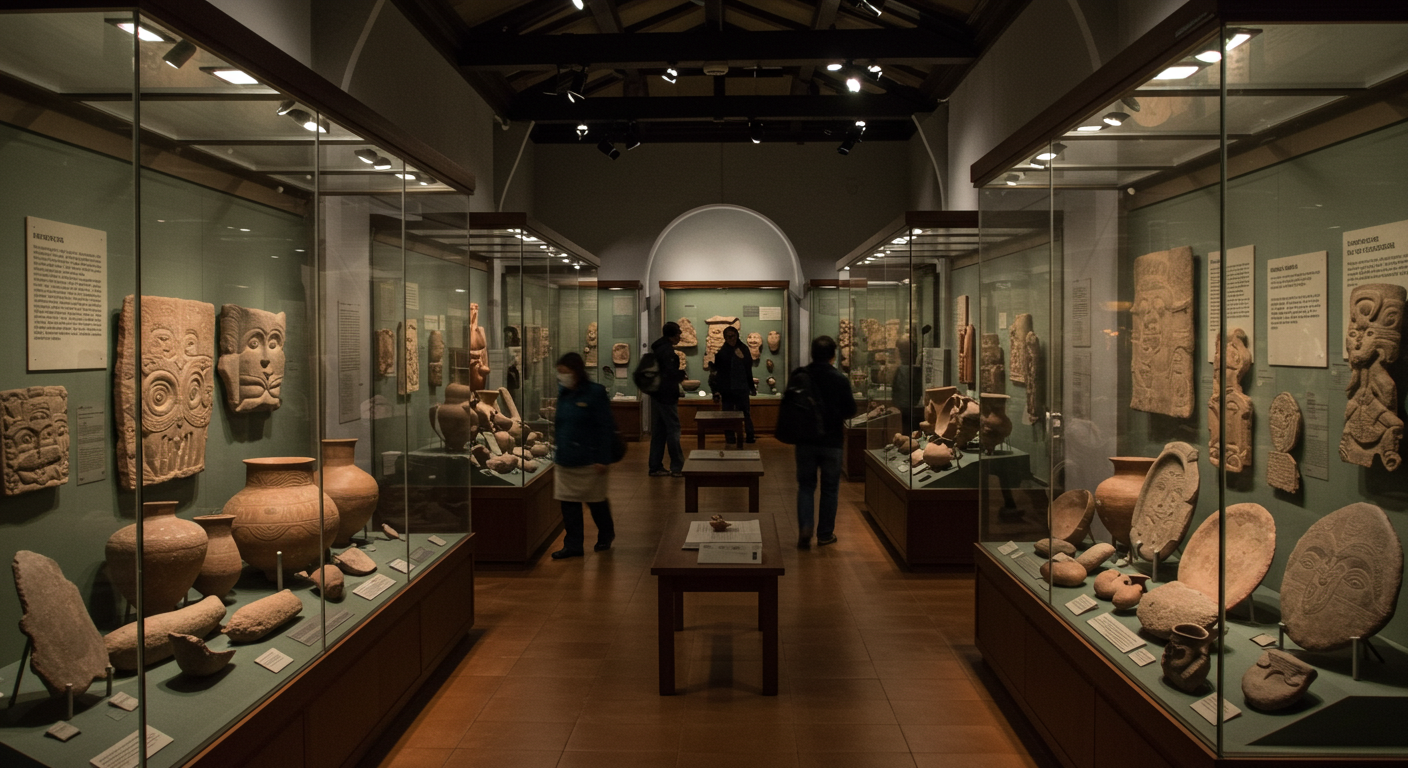
A reported collaboration between Ecuador and the United States to open a museum linked to 58,000 Caranqui artifacts would matter for reasons far beyond a ribbon-cutting. If confirmed, it would sit at the intersection of cultural memory, restitution, public education, and the long effort to reduce the market for trafficked antiquities.
At the same time, readers should be careful with the specifics. The reported museum, the number of artifacts, the institutions involved, and the project timeline were not independently verified in the material available for this draft. That matters because claims this precise deserve clear sourcing. Even so, the broader idea behind the story is worth examining: when heritage objects are documented, legally held, and publicly interpreted, they become harder to treat as anonymous commodities.
Who the Caranqui are and why these artifacts matter
The Caranqui are associated with Ecuador’s northern highlands and form part of the country’s deep pre-Columbian history. Archaeological objects linked to cultures like the Caranqui can include ceramics, tools, ornaments, ritual items, and fragments of daily life that help scholars and communities understand settlement, trade, agriculture, belief, and social organization.
That is why these materials carry more than aesthetic or commercial value. Artifacts are part of a shared historical record, but they are also tied to living questions of identity, belonging, and national memory. Removed from context, they lose part of their meaning. Preserved, cataloged, and interpreted in legitimate institutions, they can help tell a fuller story about the people and places that produced them.
What is being claimed about the museum project
The core claim is that Ecuador and the United States opened, or helped open, a museum associated with a collection said to include 58,000 Caranqui artifacts, with the larger goal of discouraging antiquities trafficking. On its face, that is a compelling story. But it includes several details that should be separated into two categories: what seems plausible in principle, and what still needs hard confirmation in this specific case.
What seems plausible is that a binational heritage project could involve repatriated or protected objects, museum stewardship, and a public message against illicit trade. What remains unverified here are the museum’s official name, its location, whether it has already opened, whether the 58,000 figure is accurate, whether all of the objects are Caranqui, and which agencies or institutions on each side actually participated.
In a fully sourced version of this article, readers would expect to see named institutions, formal announcements, or direct statements from the museum or government bodies involved. Without that, the most careful approach is to treat the project as a reported development that still requires confirmation.
How museums can help choke the antiquities-trafficking trade
The phrase “choke the trade” is dramatic, but the underlying logic is straightforward. Illicit antiquities markets thrive when objects can be detached from their origin, stripped of context, and sold with vague or fabricated histories. Museums, when they operate transparently and ethically, can push in the opposite direction.
A documented public collection creates legal custody, an inventory trail, and a visible record that makes provenance harder to blur. It also changes how people see the objects. Instead of private trophies or tradable curiosities, they become part of a public archive. That shift matters because demand often depends on distance, mystery, and weak documentation.
Museums can also teach visitors why looting is so destructive. The damage is not only the theft of an object. It is also the destruction of the archaeological context around it, which can erase information forever. A pot or figurine removed from an undocumented dig site may still look intact, but much of its historical value has already been lost.
Still, a museum alone cannot stop trafficking. It works best alongside site protection, customs enforcement, inventories, repatriation procedures, legal cooperation, and public awareness. In other words, exhibitions can support anti-trafficking efforts, but they are not a substitute for them.
Why Ecuador-US cooperation matters in heritage cases
Cooperation between Ecuador and the United States would matter because heritage trafficking is often transnational. Objects may be looted in one country, routed through intermediaries, and sold in another. That means source countries and destination markets both have roles to play.
For Ecuador, international cooperation can strengthen claims for the return of cultural property, support investigations, and add diplomatic weight to heritage protection. For the United States, cooperation can matter because it can serve as an enforcement partner, a venue for returns, and a place where collecting norms are shaped. When institutions work together across borders, they can make it harder for undocumented artifacts to circulate with impunity.
There is also a symbolic dimension. Cultural cooperation is not the same as punitive enforcement. It can show respect for the historical importance of the objects and for the communities and nations that claim them. A museum project, if real and responsibly managed, could represent not only custody of artifacts but also a shared public statement that heritage should not be treated as contraband or décor.
What expats and international readers can take from this story
For expats and other international readers in Ecuador, stories like this are a useful reminder that archaeology is not just a backdrop for tourism. Museums and historical sites are civic spaces. They hold pieces of the country’s memory, and they deserve the same respect people would expect for heritage in their own countries.
That has a practical side. If you encounter ancient-looking objects in markets, private listings, or informal sales channels, caution is warranted. The safest principle is simple: do not buy undocumented artifacts. Provenance matters. Supporting legitimate museums, public institutions, and authorized cultural programming does more good than participating in a market that may reward looting or opaque ownership histories.
It also helps to approach heritage with curiosity rather than possession. Visit museums. Read exhibit labels. Learn the local history of the region where you live. Those habits can deepen your relationship to Ecuador far more than treating the past as something collectible.
What still needs to be verified
Before this story could be treated as fully reported news, several points need confirmation. First, whether the museum has in fact opened, along with its official name, location, and opening date. Second, whether the reported total of 58,000 artifacts is accurate and whether the collection is entirely Caranqui or more mixed. Third, which Ecuadorian and US entities were involved, and whether reducing antiquities trafficking was explicitly stated as one of the project’s goals.
Until those details are confirmed, the strongest version of this article is not a declaration of established fact but a reflection on why such a project would matter if verified. The larger lesson remains clear: when cultural heritage is documented, protected, and made public, it becomes harder to exploit in the shadows.