When Travel Turns Strangers Into Family
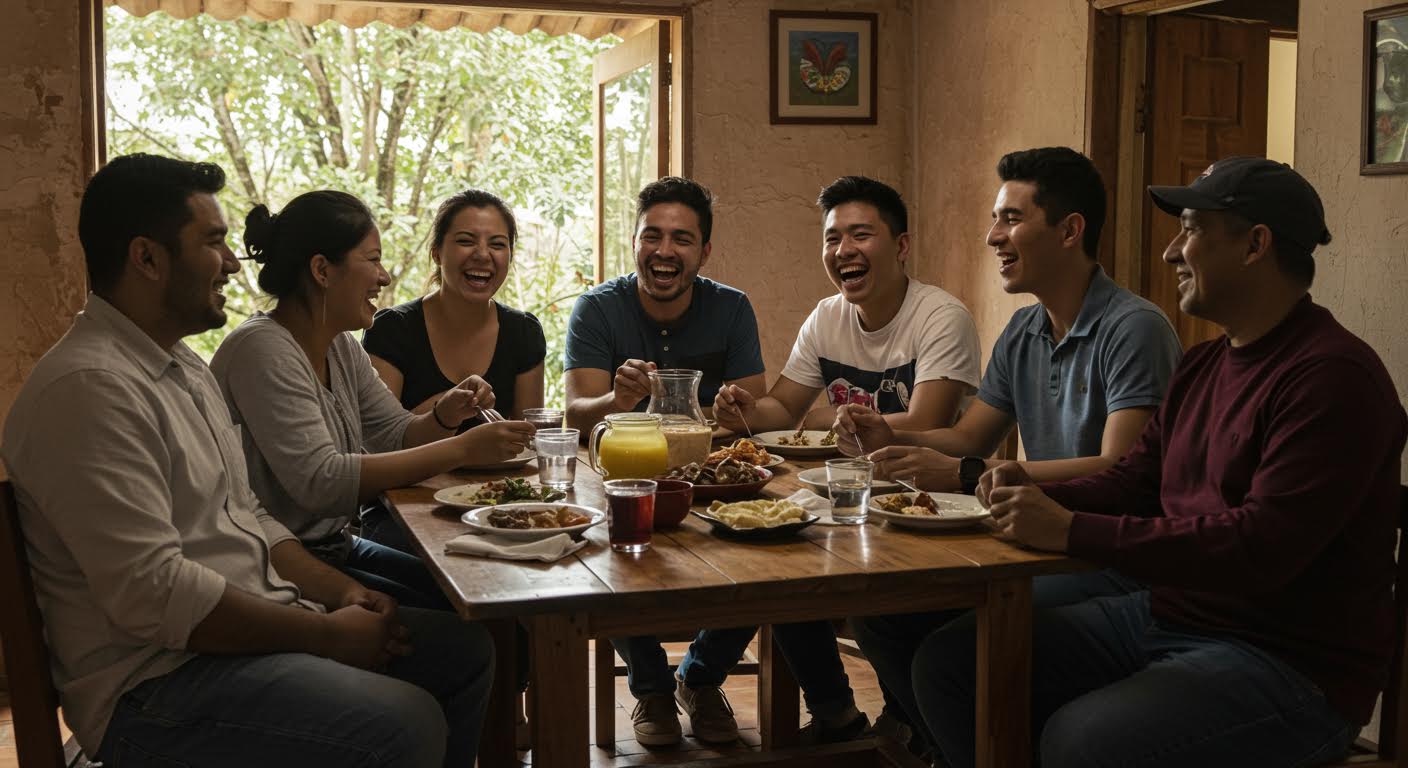
There's something magical about the moment when a complete stranger becomes your travel companion, your confidant, your temporary family member on the road. It happens in hostels in Bangkok, on trains through the Swiss Alps, in airport lounges during endless delays, and in countless other places where paths cross and lives intertwine in unexpected ways.
The Magic of Displacement: How Travel Opens Hearts
When we step outside our familiar environments, something fundamental shifts. The comfortable social roles that define us at home—the careful professional persona, established friend groups, predictable routines—all fall away. In their place emerges a more authentic, vulnerable version of ourselves.
This vulnerability becomes our superpower. When you're lost in a foreign city with a dead phone battery, or struggling to order dinner in a language you don't speak, you naturally reach out for help and offer assistance to others facing similar challenges. The usual social barriers that keep us isolated at home simply don't apply when everyone is equally out of place.
Travel strips away the protective layers we've built around ourselves. Without our familiar support systems, we become naturally more open to forming new connections. The businessman who rarely speaks to neighbors at home finds himself sharing life stories with fellow backpackers. The shy college student discovers a bold voice when navigating foreign streets with newfound companions.
Where Strangers Become Travel Companions
Certain places seem designed for serendipitous connections. Hostel common rooms buzz with an energy that expensive hotels can never replicate—travelers hunched over laptops planning their next destinations, impromptu guitar sessions that turn into sing-alongs, communal meals where someone always has extra pasta to share.
Tour groups create their own unique family dynamics. Twenty strangers board a bus in the morning, and by evening they're sharing inside jokes and planning dinner together. The shared experience of discovering ancient ruins or witnessing spectacular sunsets accelerates intimacy in ways that years of casual acquaintance at home never could.
Even mundane travel situations become connection catalysts. Train journeys that stretch across continents turn compartment-mates into confidants. Airport delays that initially frustrate travelers often lead to unexpected friendships formed over shared complaints and emergency gate changes. These moments of forced proximity break down social inhibitions and create space for genuine human connection.
Perhaps most special are the connections formed with locals—the family that invites you for dinner after you ask for directions, the shopkeeper who teaches you phrases in their language, the elderly person on a park bench who becomes your impromptu city guide. These encounters often provide the most profound cultural exchanges and lasting memories.
The Accelerated Intimacy of Travel Friendships
Travel friendships operate on a completely different timeline than relationships formed at home. When you're navigating challenges together—whether it's finding accommodation in an overbooked city, dealing with food poisoning, or simply figuring out public transportation—you fast-track through the usual stages of friendship development.
The intensity of experiencing new cultures together creates shared reference points that bind people in unique ways. You might only spend a week with someone, but experiencing your first Buddhist temple together, getting spectacularly lost in a medina, or watching sunrise over an unfamiliar skyline creates memories with emotional weight that rivals years of casual acquaintance.
Travel friends often know us in ways that surprise us. Away from the contexts that usually define our identities, we reveal different aspects of ourselves. The corporate executive discovers their adventurous side while trekking mountains with strangers-turned-friends. The careful planner learns to embrace spontaneity when following the lead of a free-spirited travel companion.
Time compression plays a crucial role in this process. When you know your time together is limited—perhaps just a few days or weeks—there's an urgency to connection that doesn't exist in open-ended relationships at home. Every conversation feels more important, every shared experience more significant.
Beyond Language: Universal Connections
Some of the deepest travel connections form without a common language. Laughter translates universally. The gesture of sharing food needs no words. The exchange of helping each other navigate foreign places creates bonds that transcend linguistic barriers.
These non-verbal connections often feel more authentic than conversations conducted in perfect grammar. When communication requires creativity, patience, and genuine effort to understand each other, the resulting relationships carry special meaning. The Italian grandmother who teaches you to make pasta through gestures and smiles becomes part of your story. The fellow traveler whose native language you don't share but whose company you seek out every evening teaches you that friendship speaks its own language.
Cultural exchange in these relationships flows both ways. While you're learning about their traditions, customs, and perspectives, you're also sharing your own background, creating a mutual gift that enriches everyone involved. These exchanges often challenge preconceptions and expand worldviews in profound ways.
Maintaining the Family You Found on the Road
The real test of travel friendships comes when the journey ends. Technology has revolutionized our ability to maintain these connections across continents and time zones. WhatsApp groups keep travel families in constant contact, sharing photos of new adventures and offering support during challenging times back home.
Many travel friendships survive through planned reunion trips. The group that met in Southeast Asia reconvenes annually in different locations. Former travel companions plan their future adventures together, creating an ongoing travel family that spans the globe. These reunions often feel like family gatherings, complete with inside jokes and shared histories that outsiders can't quite understand.
Travel families also support each other's ongoing adventures. When someone in the group visits a city where another member lives, there's an automatic invitation to stay, explore together, and continue building the relationship. This network of connections creates a global support system that traditional friendships rarely match.
For some, travel friendships transcend the original context entirely. Wedding invitations cross oceans to include that person who provided crucial support during a difficult moment in Cambodia. Emergency contacts include the friend met during a train journey through India who somehow became family despite knowing each other for only a few weeks.
The most lasting travel friendships evolve into chosen family relationships that endure decades and major life changes. The strangers who became travel companions eventually become the people you call during personal crises, celebrate major milestones with, and count among your closest relationships—all because you happened to be in the same place at the same moment, equally far from home and equally open to connection.
In a world that often feels increasingly disconnected despite constant digital communication, travel reminds us of our fundamental human capacity for instant, authentic connection. It proves that family isn't just about blood relations or geographical proximity—sometimes it's about shared experiences, mutual support, and the magical alchemy that transforms strangers into lifelong bonds through the simple act of exploring the world together.