What Locals Warn You About After Dark in the Ecuadorian Countryside
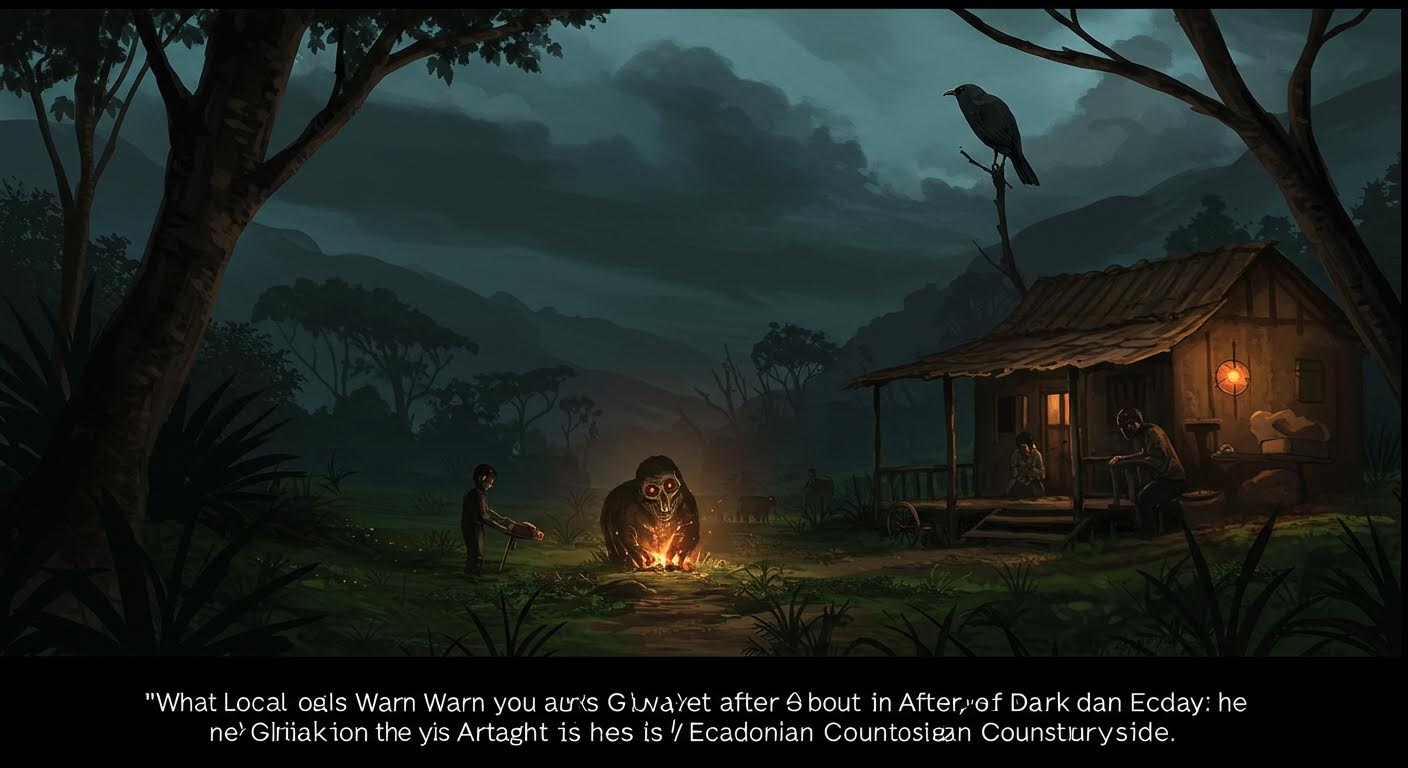
When the sun dips behind Ecuador's rolling hills and towering peaks, experienced locals start heading home. This isn't coincidence—it's generations of hard-earned wisdom about staying safe in rural areas. For newcomers to Ecuador's countryside, understanding these after-dark warnings can mean the difference between a peaceful evening and finding yourself in real trouble.
The Golden Hour Rule: Why Locals Head Home Early
Rural Ecuador runs on nature's clock, not the extended evening hours you might expect from city life. Most countryside communities wrap up their day well before darkness falls, and there are rock-solid reasons behind this rhythm.
The infrastructure city folks take for granted—reliable electricity, street lighting, 24-hour services—simply doesn't exist in many rural areas. When the sun sets, visibility plummets on unpaved roads and mountain paths. Locals have learned it's far smarter to handle errands, visit neighbors, and tackle outdoor tasks while there's still natural light.
This early retreat indoors also reflects the agricultural lifestyle that dominates much of rural Ecuador. Farm work starts at dawn, making early bedtimes a necessity, not a choice. Visitors who respect this natural rhythm often find themselves welcomed more readily into local community life.
Wildlife After Dark: What's Out There in the Darkness
Ecuador's incredible biodiversity means nighttime brings different animal activity depending on where you are. Coastal areas present different challenges than mountain regions or jungle edges, but locals in each area have developed smart strategies for coexisting with nocturnal wildlife.
In highland areas, locals warn about wild dogs that form packs and get territorial after dark. These aren't necessarily aggressive, but they can be startled by unexpected visitors. Mountain communities also report occasional sightings of larger wildlife that comes down from higher elevations to forage at night.
Coastal and jungle-adjacent regions have their own concerns. Locals emphasize making noise while walking—not to scare animals away, but to announce your presence so wildlife can avoid you. They've learned that surprise encounters are far more dangerous than predictable human movement.
The key insight from rural Ecuadorians? Most wildlife actively avoids people. Problems happen when animals are surprised or feel trapped. Carrying a flashlight, traveling in groups, and sticking to established paths dramatically cuts down on risky encounters.
Transportation Traps: When Roads Become Your Enemy
Perhaps the most practical warning locals share involves getting around after dark. Bus routes that run regularly during daylight often stop completely once the sun sets. This isn't just inconvenient—it can leave you genuinely stranded in areas where walking to the next town isn't an option.
Rural roads that seem manageable during the day turn into navigation nightmares without proper lighting. Potholes become invisible traps, and unpaved surfaces can shift dramatically after rain. Locals know which routes become completely impassable in certain weather and plan accordingly.
Even if you have your own vehicle, nighttime travel brings challenges that daylight hides. Signs barely visible during the day vanish entirely at night. GPS often proves unreliable in areas with spotty satellite coverage, and the landmarks locals use for navigation—specific trees, rock formations, building colors—become impossible to distinguish in darkness.
Smart rural residents always have backup plans for overnight stays when travel runs past safe return times. They maintain relationships with family or friends in different communities specifically to avoid nighttime travel risks.
Communication Blackouts: When Your Phone Dies on You
Cell coverage in Ecuador's countryside can be sketchy under the best conditions, but after dark, dead zones become genuine emergency concerns. Locals warn that areas with shaky daytime coverage often lose signal entirely at night—right when you might need help most urgently.
Rural communities have developed backup communication methods most visitors never consider. Many maintain relationships with neighbors who have landlines or ham radios. Some areas still use traditional signals—specific whistle patterns or visual cues that can alert nearby residents to problems.
The local wisdom here focuses on preparation rather than relying on technology. Experienced countryside residents always tell multiple people their travel plans and expected return times. They carry physical maps for backup navigation and know where the nearest reliable communication points are located.
When communication does fail, locals emphasize staying put rather than wandering around looking for signal. Most rural communities have informal check-in systems where extended absences get noticed—but only if you stay somewhere predictable.
Weather Warnings: When Mountain Nights Turn Brutal
Ecuador's varied elevation creates dramatic temperature swings that catch newcomers off guard. Locals in highland areas warn that places comfortable during the day can become genuinely cold after sunset, especially during certain seasons.
The Andean climate is particularly unforgiving if you're caught unprepared. Temperatures that hover around comfortable levels during the day can plummet 20-30 degrees once the sun disappears. Add in altitude effects that newcomers may not be used to, and nighttime exposure becomes a real health threat.
Rainy season brings extra complications that locals factor into their after-dark planning. Flash floods can hit areas that seem bone-dry during the day. Rural residents know which low-lying spots to avoid during certain months and how to read cloud patterns that signal sudden weather changes.
Mountain communities also warn about fog that can roll in rapidly after sunset, turning familiar paths into disorienting mazes. Locals carry extra layers and emergency supplies—not because they expect trouble, but because mountain weather can change faster than you can reach shelter.
Social Navigation: Reading the Unwritten Rules
Rural Ecuador's social customs around nighttime activities vary dramatically between regions, and misreading these unwritten rules can create uncomfortable or even dangerous situations for visitors. Locals emphasize that what's perfectly acceptable in one area might be completely inappropriate somewhere else.
In many countryside communities, unexpected nighttime visitors raise red flags. This isn't unfriendliness—it's a practical safety response developed over generations. Locals know who belongs in their area and when normal activities typically happen. Disruptions to these patterns naturally trigger heightened awareness.
Gender plays a significant role in nighttime social navigation. Rural communities often have different expectations and safety protocols for men and women traveling alone after dark. Understanding these cultural sensitivities helps visitors blend more smoothly into local social structures.
When you do need help, locals advise approaching homes with visible lights and signs of activity rather than randomly knocking on doors. Established businesses, even if they look closed, are often better bets than residential areas for nighttime assistance.
Local Wisdom: Safety Strategies That Actually Work
The most valuable insights come from practical strategies rural Ecuadorians use every day to navigate after-dark challenges safely. These aren't theoretical safety tips—they're proven methods developed through real countryside living experience.
Essential items locals never travel without include reliable flashlights with extra batteries, basic first aid supplies, emergency food and water, and extra clothing layers for unexpected weather changes. They also carry cash in small bills, since electronic payments vanish completely in remote areas.
Reading natural signs becomes crucial when artificial lighting isn't available. Locals learn to interpret cloud patterns, wind changes, and animal behavior as clues about weather shifts or other environmental changes. They also develop sharp awareness of seasonal patterns that affect everything from road conditions to wildlife activity.
Building mutual safety networks with neighbors creates informal security systems that benefit entire communities. Rural residents often maintain casual check-in routines with nearby families, especially during seasons when weather or other conditions increase overall risk.
Most importantly, locals emphasize that countryside safety comes from understanding and respecting natural rhythms rather than fighting them. Working with rural Ecuador's inherent challenges, rather than assuming urban solutions will work, leads to both safer and more enjoyable countryside experiences.
The warnings locals share aren't meant to scare newcomers away from rural life—they're invitations to understand and adapt to a different way of living that has sustained communities for generations. Embracing these insights opens doors to deeper cultural connections and genuine countryside enjoyment.