What Expats in Ecuador Should Do After Reports of a Massive ID-Data Leak
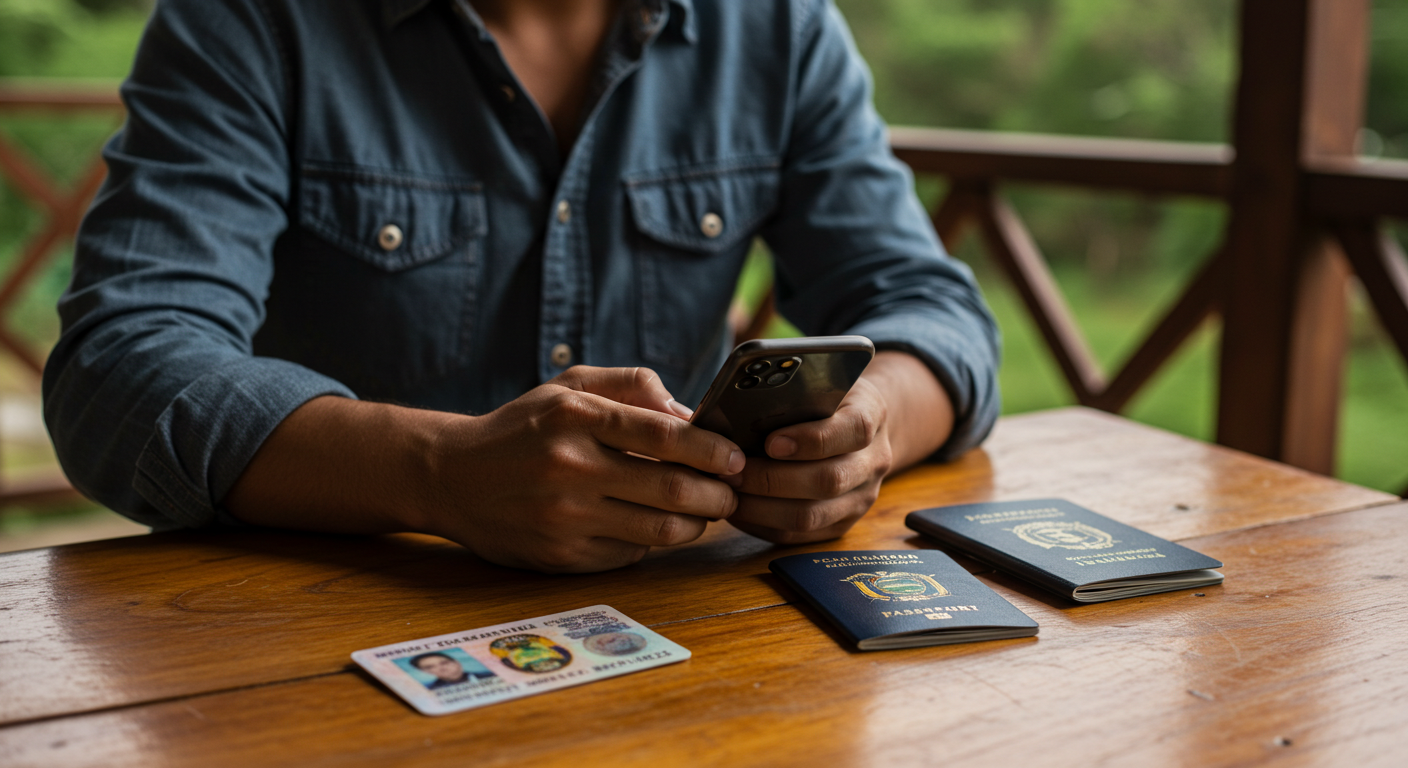
Foreign residents in Ecuador depend on local identity systems for banking, mobile service, rentals, immigration paperwork, insurance, and everyday transactions. That means even unconfirmed reports of a large identity-data leak deserve attention, not because every alarming claim is true, but because scam attempts often rise when criminals sense fear and confusion.
At this stage, the reported details of a supposed leak of Ecuadorian ID records have not been verified in this draft. For that reason, the most responsible approach is to focus less on dramatic numbers and more on what foreign residents can do right now to reduce their risk. Expats can be especially vulnerable when dealing with unfamiliar institutions, language barriers, and service systems that already feel complicated under normal circumstances.
Why this matters for expats in Ecuador
For many foreigners, an identity-data problem is not just a technical issue. It can affect bank access, phone numbers, apartment payments, residency processes, and trust in messages that appear to come from official institutions. If scammers have even partial personal details, they may be able to make a call, text, or WhatsApp message sound convincing enough to trigger panic.
Expats may also face added exposure because they often share personal documents more frequently than locals. Passport pages, cédula numbers, visa paperwork, utility bills, lease agreements, and tax-related records may pass through landlords, employers, schools, insurers, lawyers, or government offices. Even if a specific leak report turns out to be exaggerated or false, the scam environment around it can still be very real.
What is being alleged — and what remains unconfirmed
Online claims say that a very large set of Ecuador-related identity records may have been exposed and offered through criminal channels. But without verified sourcing, it would be premature to present the scale, source, timing, or affected groups as established fact.
That distinction matters. A rumored breach can still lead to phishing campaigns, impersonation calls, and fake account warnings if scammers believe the story is plausible enough to frighten people. In other words, public anxiety alone can become a tool for fraud, even before any breach details are firmly confirmed.
How a suspected ID-data leak could affect foreign residents
If Ecuador-related identity records were exposed, the most sensitive elements would likely include cédula numbers, passport-linked details, phone numbers, addresses, dates of birth, account identifiers, or administrative records used across public and private services. Criminals do not always need a full dossier to cause damage. A few accurate details can be enough to impersonate a victim or persuade a customer-service representative that the caller is legitimate.
For expats, the practical risks include account takeovers, SIM-swap attempts, banking fraud, fake immigration or tax notifications, rental-payment diversion, and social-engineering attacks aimed at extracting one-time codes or password resets. Foreign residents may also face extra complications if they rely on residency documentation, cross-border accounts, local guarantors, or service providers that are harder to reach quickly in an emergency.
The scam patterns expats should expect after leak reports
When leak rumors spread, scammers usually move fast. Common follow-on schemes include phishing texts claiming there has been suspicious activity on a bank account, WhatsApp messages pretending to be a friend with a new number, fake alerts about blocked cards, and urgent requests to verify identity or reactivate an account.
Some callers may claim to be from a bank, the police, immigration, a utility provider, or a delivery company. Their advantage is that they may already know a name, phone number, neighborhood, or fragment of an ID number. That partial information can make a fraudulent message feel official, especially when paired with pressure, urgency, or threats of account closure.
Expats should be especially alert to messages about visa renewals, customs fees, tax issues, package delivery, residency appointments, or supposedly frozen local accounts. These topics are believable because they mirror the real administrative friction many foreigners already experience.
Immediate steps to protect yourself
Start with the accounts that matter most: your primary email, banking apps, mobile-carrier account, and any service tied to tax, immigration, or legal identity. Change passwords, use a unique password for each service, and enable two-factor authentication wherever possible. If you have a choice, app-based authentication is generally safer than SMS-based codes.
Review your bank activity, card statements, and telecom account settings for unauthorized changes or unfamiliar charges. If your mobile provider allows extra account security, such as a PIN for SIM changes or account modifications, enable it. Be cautious about sharing copies of your cédula, passport, or residency documents unless the request is legitimate, necessary, and clearly understood.
It also helps to keep a written list of official contact channels for your bank, insurer, landlord, lawyer, immigration adviser, and mobile provider. If you receive a suspicious message, do not respond through the number or link provided. Contact the institution directly through a trusted channel you already have.
What to do if you think your data is being misused
If something feels wrong, stop engaging immediately. Do not click links, do not share one-time codes, and do not stay on a call just because the other person sounds informed. Contact your bank, mobile provider, and any affected services through their official channels and ask about fraud alerts, account locks, credential resets, or recent change logs.
Document what happened. Save screenshots of messages, note timestamps, record unfamiliar phone numbers, and keep records of any suspicious transactions or account changes. That information may be useful if you need to file a police report, dispute charges, or explain the situation to a bank or telecom provider.
If residency or identity documents may be involved, seek guidance from the relevant official institution or a trusted legal professional on reporting procedures, replacement steps, or account-flagging options. The sooner you create a paper trail, the easier it may be to respond if the problem escalates.
What to watch for next
Before accepting dramatic claims about the alleged breach, look for official statements, bank advisories, telecom notices, police alerts, or credible cybersecurity reporting. Social media posts and forwarded warnings can be useful as early signals, but they should not be treated as proof on their own.
For expats in Ecuador, the key takeaway is simple: preparation matters more than panic. You do not need confirmed breach details to tighten your passwords, verify official contacts, secure your phone account, and become more skeptical of urgent messages. In a fast-moving scam environment, those steps can make a real difference.