Two Thousand Chagras Ride Into Sangolquí as Ecuador's Corn Festival Draws Half a Million
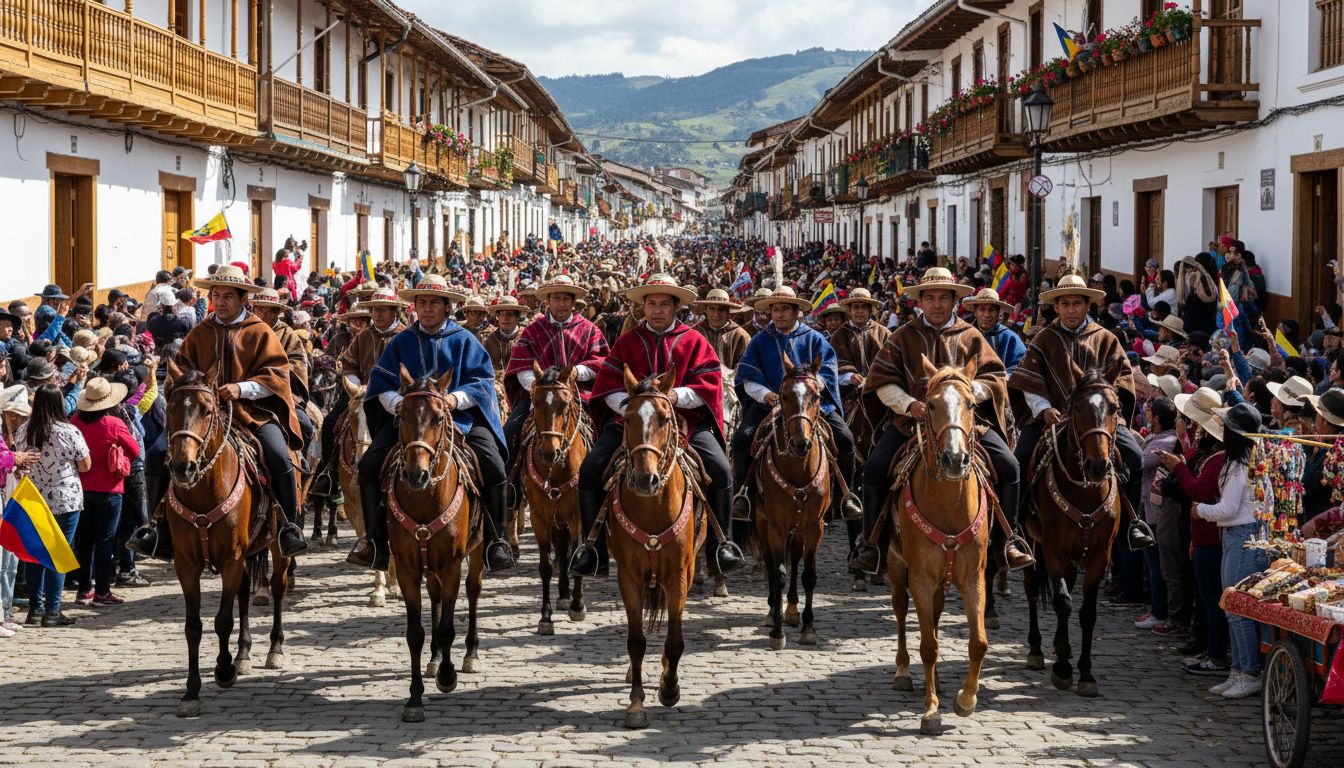
Sangolquí, a canton just southeast of Quito known for its quiet pace and market-town rhythms, is bracing for a transformation. The streets soon to host roughly half a million visitors bear little resemblance to the sleepy avenues most residents know the rest of the year. On September 5, that changes, as the town becomes the epicenter of one of the Ecuadorian highlands' most anticipated cultural gatherings.
The scale of the anticipated crowd is striking for a town of Sangolquí's size, and it reflects how far this celebration has traveled beyond its rural origins. What began as a local corn harvest tradition has grown into a spectacle that draws attention well beyond the immediate valley, creating a kind of collision between long-held rural custom and the modern appetite for large-scale festival tourism.
Who Are the Chagras? Ecuador's Andean Horsemen
At the heart of the festival is the chagra, the mestizo cowboy of Ecuador's Andean highlands. Traditionally associated with the páramo and the high-altitude cattle and horse culture of the region, chagras are recognizable by their distinctive dress: wool ponchos, leather chaps, wide-brimmed hats, and hand-tooled saddlery that reflects generations of highland craftsmanship. Locals often describe their horsemanship as a point of pride, developed through the demands of working cattle across steep and unpredictable terrain.
Beyond their practical origins as ranch hands and herders, chagras have come to symbolize a broader sense of rural Ecuadorian identity. Many communities view the chagra tradition as a living link to a pre-industrial way of life, one increasingly celebrated in public rather than confined to the countryside. This year's parade is expected to include approximately 2,000 riders, a number organizers and participants alike see as proof of the tradition's continued vitality.
Corn, Coronation, and Community: Inside the Fiesta del Choclo
The festival's name, Fiesta del Choclo, points directly to its agricultural roots. Choclo, or corn on the cob, has long been central to highland Ecuadorian diets and culinary traditions, and the festival began as a celebration of the corn harvest, complete with food stalls and dishes built around the crop in its many forms.
Over time, the fiesta has absorbed additional layers of celebration, including a coronation or beauty pageant component that now runs alongside the agricultural festivities. Rather than existing as separate events, these threads are typically folded into a single multi-day celebration, one that blends harvest ritual, pageantry, music, and the chagra parade into what many locals describe as the cultural high point of the year for Sangolquí.
An Expat's Guide to Experiencing the Festival
For foreigners based in or visiting Quito, Sangolquí is a relatively short trip, and the festival offers an accessible way to experience Andean tradition firsthand. Given the anticipated crowds, arriving early is generally a good idea, both to secure a good vantage point along the parade route and to avoid the heaviest congestion expected as the day progresses.
Visitors are often encouraged to take in the full sensory range of the event: the rhythmic arrival of chagra riders and their horses, the aroma of corn-based dishes from food stalls lining the streets, and the live music that typically accompanies the procession. As with many deeply local traditions, a spirit of respectful observation is worth bringing along. This is, above all, a community celebration rooted in regional identity, and guests are generally welcomed warmly when they approach the day with curiosity and courtesy rather than treating it purely as a spectacle.
Why This Festival Resonates Beyond Ecuador
The Fiesta del Choclo invites easy comparison to other cowboy and harvest festivals found around the world, from American rodeos to county fairs celebrating regional agricultural traditions. Like those events, it offers a rare public window into working rural life, transformed for a few days into shared celebration.
It is perhaps this quality that draws expats to festivals like this one: an opportunity for genuine cultural immersion that goes beyond typical tourist experiences. As Sangolquí's festival continues to grow in scale and visibility, it seems likely to remain a touchstone event for those seeking to understand a more traditional, rural side of Ecuadorian life, even as the crowds around it continue to swell.