Two Ecuadors: Why Cuenca's Expats Stay Put Despite National Crisis
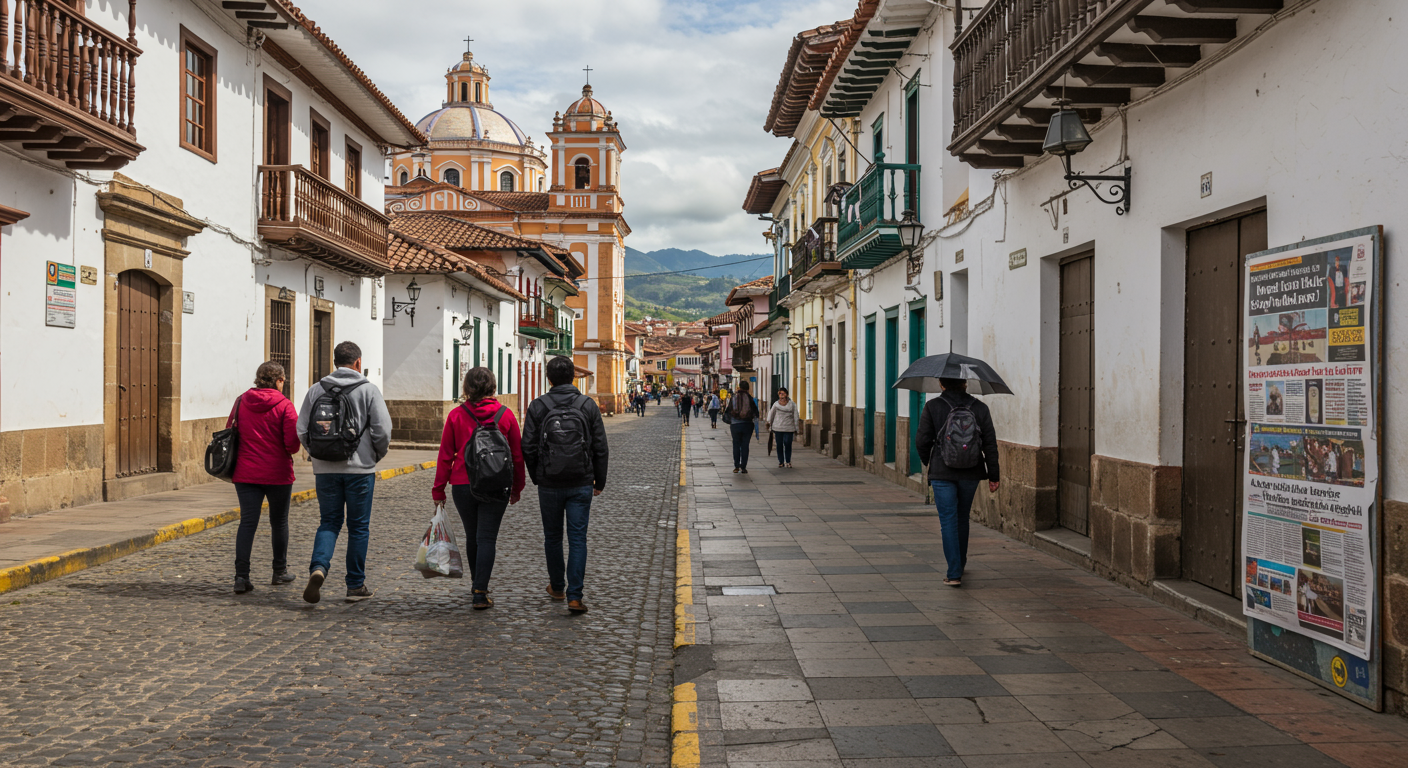
The numbers tell two very different stories about Ecuador. While national headlines scream about violence and 60-day states of emergency grip the coastal regions, Sarah Mitchell still takes her morning walk through Cuenca's cobblestone streets at 6 AM, stopping at her favorite bakery where the owner greets her by name.
It's a scene playing out across Ecuador's Sierra highlands, where expat communities continue their routines despite living in a country making international news for all the wrong reasons. The contrast is stark: Cuenca's murder rate sits at 1.4 per 100,000 residents while coastal areas spiral into crisis.
Two Ecuadors: When Murder Rates Tell Different Stories
The statistics reveal what many Sierra expats live daily—Ecuador isn't experiencing uniform crisis. Cuenca's 1.4 per 100,000 murder rate places it among the safest cities in the Americas, comparable to many Canadian municipalities. Meanwhile, coastal provinces battle drug-related violence that has prompted emergency declarations and curfews.
"People back home see 'Ecuador' in the news and assume I'm dodging bullets," says Tom Henderson, a retiree from Colorado who's lived in Cuenca for five years. "But there's coastal Ecuador and there's mountain Ecuador. They might as well be different countries."
This geographic divide isn't just statistical—it's cultural, economic, and logistical. The Sierra's distance from major ports, different economic base, and distinct social fabric create what many expats describe as living in a protective bubble.
Life in the Sierra Bubble: Expat Daily Realities
For Cuenca's expat community, daily life continues with a normalcy that would surprise outside observers. Evening strolls remain routine, local markets bustle with international residents practicing their Spanish, and community integration deepens rather than retreats.
"I still walk to the mercado every morning, chat with vendors, and feel completely safe," explains Maria Santos, an American retiree who moved to Cuenca three years ago. "My daughter calls from Miami worried about me, while she won't walk alone at night in her own neighborhood."
This lived experience versus external perception creates a unique dynamic for Sierra expats. Many find themselves constantly reassuring concerned family members while simultaneously staying informed about national developments that feel geographically and experientially distant.
Local integration plays a crucial role in this sense of security. Expats who've built relationships within their neighborhoods, learned Spanish, and participated in community life report feeling more connected to accurate, local information rather than sensationalized international coverage.
The Geography of Security: Why the Mountains Matter
The Sierra's security advantage isn't accidental—it's geographic and economic. Drug trafficking routes naturally favor coastal access points where international shipments arrive and depart. The mountainous interior, while not immune to crime, sits outside these primary trafficking corridors.
Cultural differences between regions also play a role. The Sierra's indigenous and mestizo communities maintain different social structures and economic relationships than coastal urban centers. Traditional community bonds and economic patterns in highland areas create different incentive structures around crime and violence.
"The drug trade needs ports, and ports are on the coast," explains longtime resident James Wright. "We're dealing with different problems up here—maybe petty theft or domestic issues—but not the systematic violence you see in Guayaquil or other coastal cities."
Economic factors reinforce this geographic advantage. While coastal cities deal with the economic disruption that accompanies trafficking violence, Sierra economies based on agriculture, small manufacturing, and services maintain more stability.
Expat Decision-Making: Stay or Go Conversations
Within Cuenca's expat WhatsApp groups and Facebook communities, conversations about security happen regularly but rarely conclude with departure plans. Instead, discussions focus on staying informed, understanding local conditions, and maintaining perspective on risk assessment.
"Every few months someone posts an alarming news article and asks if we should be worried," says community forum moderator Patricia Lopez. "The responses usually come from long-term residents explaining the difference between national news and local reality."
Recent arrivals often express more concern than established residents, having moved to Ecuador before fully understanding regional differences. These newer community members frequently rely on experienced expats to help contextualize national news within local experience.
Families face particular pressure when relatives express concern based on international media coverage. Many expats report spending significant time reassuring worried family members while simultaneously staying alert to genuine local security developments.
The Coastal Expat Exodus: Different Regional Experiences
Cuenca's relative calm becomes clearer when talking with expats who relocated from coastal areas. Their firsthand accounts of deteriorating conditions in Guayaquil, Manta, or other coastal cities provide context for why Sierra residents feel secure by comparison.
"I lived in Salinas for two years before moving to Cuenca," says Robert Chen, originally from San Francisco. "The difference is night and day. On the coast, you could feel tensions rising—more security guards, businesses closing early, people changing their routines. Here, life just continues normally."
These internal relocations within Ecuador represent a middle path between staying put and leaving the country entirely. For many expats, moving from coast to Sierra solved security concerns while maintaining their Ecuadorian lifestyle and investments.
Some families made strategic decisions to relocate inland specifically because of emerging coastal security issues, viewing the Sierra as a safer long-term bet within Ecuador rather than abandoning their South American retirement or lifestyle plans entirely.
Community Bonds: What Keeps Sierra Expats Anchored
Beyond security statistics, established expats cite deep community connections as reasons for staying. Years of building local relationships, learning language and customs, and integrating into neighborhoods create strong anchoring effects that resist panic-driven decisions.
"You can't replicate five years of friendships and community connections overnight," explains longtime resident Carol Martinez. "I know my neighbors, they know me. We look out for each other. That's not something you abandon because of scary headlines about places hundreds of miles away."
Economic investments also create staying power. Purchased homes, established businesses, and local financial commitments make departure decisions complex and costly. Many expats view their Sierra investments as long-term commitments worth protecting rather than abandoning.
Quality of life factors beyond security—climate, cost of living, healthcare access, cultural richness—continue weighing heavily in expat decision-making. For many, Cuenca's advantages in these areas outweigh abstract security concerns based on distant events.
Reading the Signs: How Expats Monitor Evolving Conditions
Staying put doesn't mean staying uninformed. Successful Sierra expats have developed sophisticated information networks that balance local knowledge with broader national awareness. These systems help distinguish between genuine local threats and distant crises that don't affect daily life.
Local news sources, Spanish-language media, and community networks provide real-time information about conditions that actually affect expat daily life. Many residents report trusting these sources more than international coverage that often lacks regional nuance.
"I read local papers, talk with Ecuadorian friends, and stay plugged into neighborhood information," says community leader David Park. "When something affects Cuenca directly, we know about it quickly through local channels. National news about coastal problems rarely changes anything about our daily reality here."
Contingency planning exists without panic. Many expat families maintain updated documents, emergency funds, and general awareness of departure options while continuing to live normally. This preparation provides peace of mind without dictating daily decisions.
The balance requires constant recalibration—staying informed enough to make good decisions while not becoming paralyzed by information overload or distant threats. For most Sierra expats, this balance currently favors staying put and maintaining the lifestyle that brought them to Ecuador originally.
As Ecuador's national situation continues evolving, Sierra expat communities demonstrate how local knowledge, community integration, and geographic awareness can provide stability even during periods of national uncertainty. Their experience suggests that understanding regional differences, rather than treating countries as uniform entities, often produces better personal security decisions than reactive responses to generalized news coverage.