Three New Frog Species Discovered on Ecuador's Cerro Plateado — And Already Considered at Risk
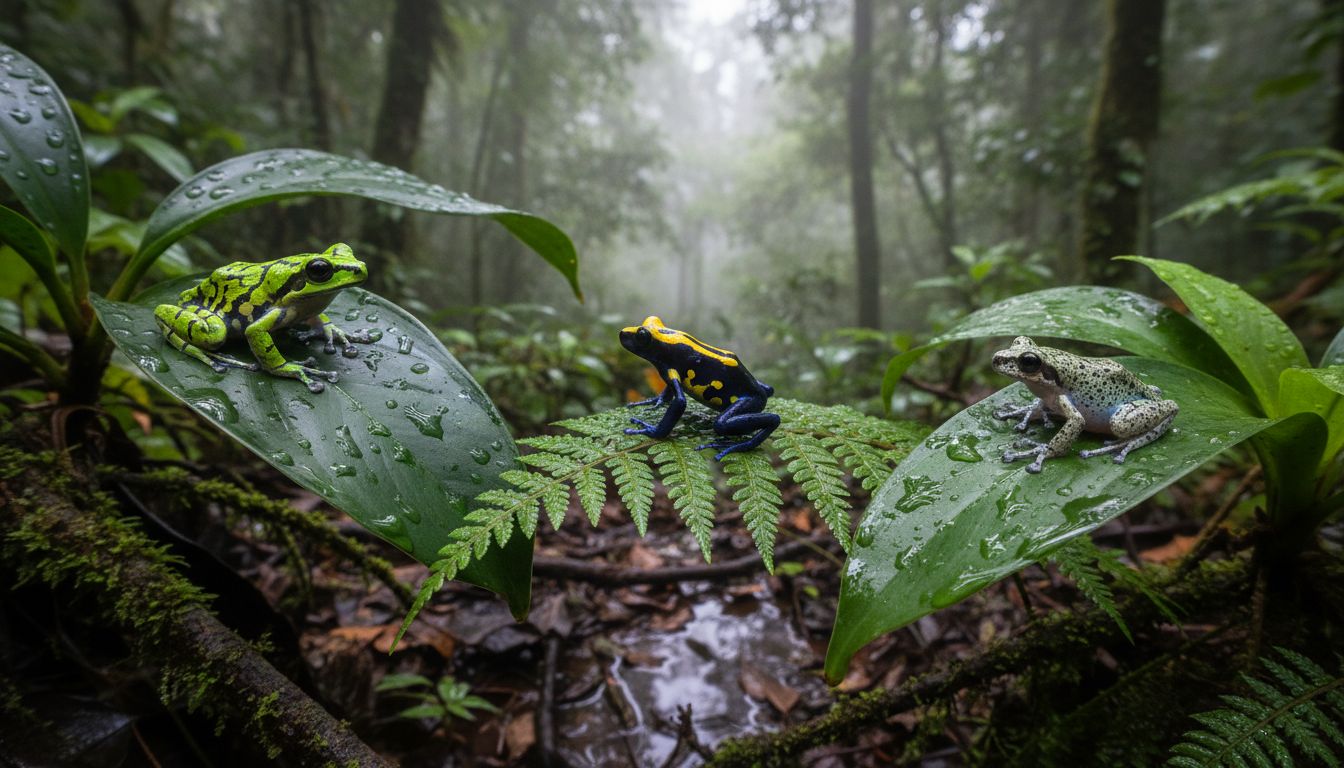
Three New Frog Species Discovered on Ecuador's Cerro Plateado — And Already Considered at Risk
Tucked into the remote southern reaches of Ecuador, Cerro Plateado is the kind of place that rarely makes headlines outside specialist biology circles. Yet according to reports circulating among biodiversity watchers, this rugged, biodiverse corner of the country has just yielded a notable scientific surprise: three previously unknown species of frog. Many observers note that these discoveries reportedly emerged from a single peer-reviewed paper published in the journal PeerJ, a publication that apparently did double duty — formally naming the new species while also assessing their conservation status in the same breath.
It's worth being upfront about the limits of what can be confirmed here. The specific species names, the authorship of the paper, and its exact publication date are not verified in the material available for this article. What follows is a good-faith exploration of what such a finding would typically mean, framed with appropriate caution until the original PeerJ paper can be located and reviewed.
Naming and Describing New Species
Formally describing a new amphibian species is rarely a quick affair. Researchers typically combine morphological analysis — close study of physical traits like skin texture, coloration, and body proportions — with genetic comparisons to confirm that a population is truly distinct from known relatives. Type specimens, the reference individuals against which the new species is defined, are usually deposited in natural history collections for future study.
A recurring pattern in modern herpetology is that all of this work, for multiple related species, can sometimes be consolidated into one publication, particularly when the species were discovered in the same expedition or region. That appears to be the case here, with reports suggesting all three Cerro Plateado frogs were named within the same PeerJ paper. That said, the exact taxonomic names, the diagnostic features that distinguish each frog from its relatives, and other specifics cannot be verified without direct access to the source publication. A follow-up research pass to locate and review the actual PeerJ paper would be necessary before more detailed claims could be made.
Why These Frogs Were Immediately Flagged as Threatened
One detail that stands out in accounts of this discovery is that the new species weren't just described — they were also assessed as being at risk, apparently within the same paper that introduced them to science. This pattern has become increasingly common in biodiversity hotspots: species entering the scientific record already burdened with conservation concern.
Amphibians in Andean cloud forest habitats like those found around Cerro Plateado typically face a familiar set of pressures. Habitat loss from agriculture, logging, or infrastructure development can fragment the small, high-altitude ranges these frogs often depend on. Climate shifts pose an additional concern, since cloud forest species tend to be highly sensitive to changes in temperature and moisture. Restricted geographic ranges — sometimes limited to a single mountain or valley — can leave a species vulnerable to even localized disturbances.
Specific threat categories, such as whether these frogs might be classified as Endangered or Critically Endangered under IUCN-style frameworks, remain unconfirmed without the source paper in hand. What can be said is that the broader trend of "born threatened" species — organisms that enter scientific literature already flagged as at-risk — has become a recurring concern among biodiversity researchers working in hotspots like the Ecuadorian Andes.
What This Means for Ecuador's Biodiversity and Conservation Efforts
Ecuador has long held a reputation as one of the world's premier amphibian biodiversity hotspots, and findings like this — however preliminary — tend to reinforce that standing. Cerro Plateado, remote and relatively understudied, fits a broader pattern of Ecuadorian landscapes that continue to reveal previously unknown species even as habitat pressures mount.
Taxonomic research of this kind plays a role that extends beyond scientific curiosity. Formally naming and describing a species is often a prerequisite for it to be considered in conservation policy, protected area planning, or international trade and habitat regulations. A recurring concern in this space is that species can go extinct before they're ever formally described — a possibility that makes the practice of publishing threat assessments alongside species descriptions particularly valuable, since it allows conservation action to begin immediately rather than waiting for a separate assessment process.
Given the absence of verified sourcing for this particular case, readers interested in the specifics — the frogs' actual names, their precise threat classifications, and the methodology behind their discovery — are encouraged to seek out the original PeerJ paper once it can be located and confirmed. This article should be read as a cautious, exploratory overview of a reported finding rather than a definitive scientific account.