The Town Where Everyone Knows Your Name
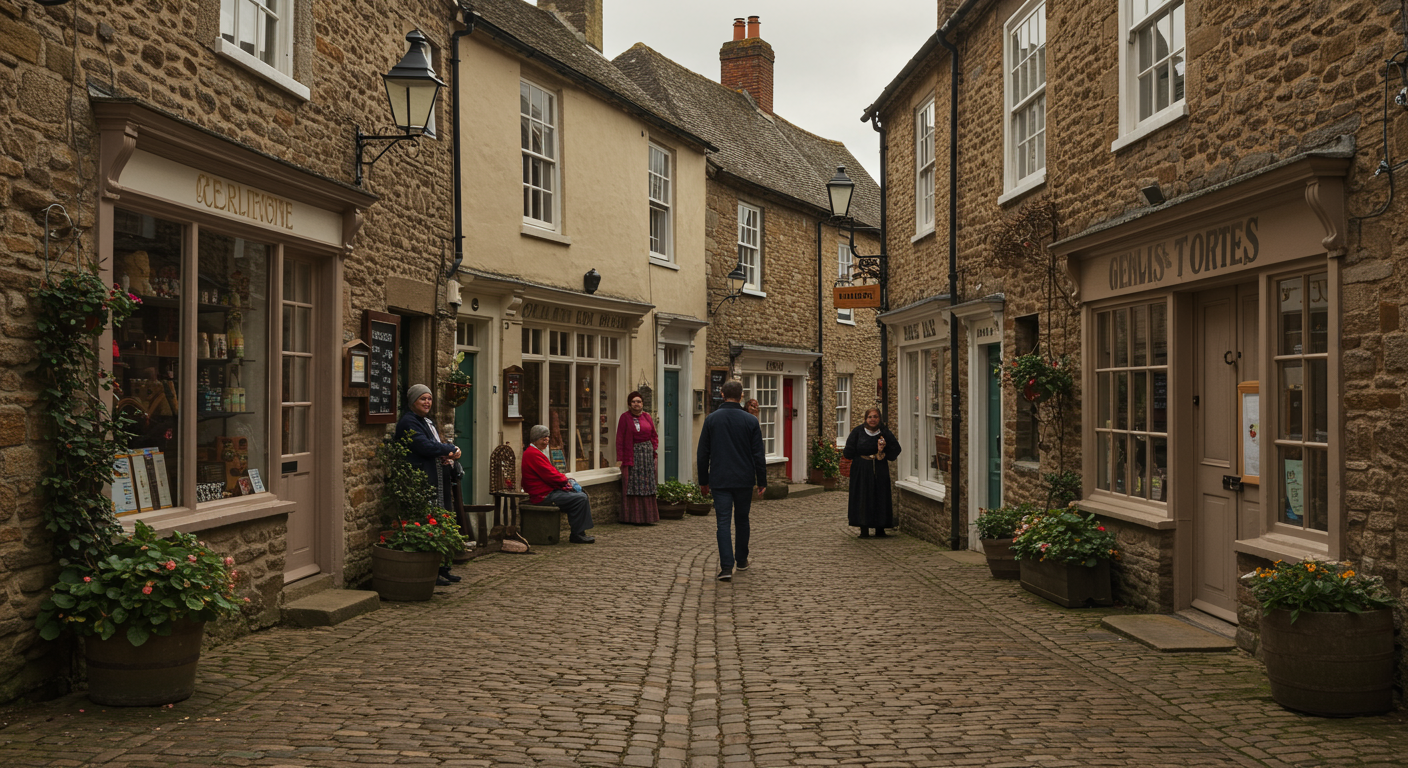
There's a moment in every expat's journey when the familiar becomes foreign and the foreign becomes home. For me, that transformation happened in a town so small that everyone knew my name before I learned theirs.
Arrival: When Anonymity Becomes Impossible
Moving from a sprawling metropolis to a community of barely three thousand souls was like stepping from a crowded theater into someone's living room mid-conversation. The anonymity I'd worn like a comfortable coat for years was suddenly stripped away, leaving me exposed and slightly bewildered.
Within my first week, the barista at the local café had memorized my order. By the second week, the postman was asking about my family back home. A month in, and strangers on the street were nodding hello as if we were old friends. The adjustment wasn't just about learning a new language or currency—it was about recalibrating my entire relationship with privacy and community.
In the city, I could disappear into crowds, be anyone I wanted on any given day. Here, every grocery run became a social event, every walk to the bank a series of mini-conversations. The weight of constant recognition felt both overwhelming and oddly comforting.
The Cast of Characters: Your New Extended Family
Small communities operate like extended families, complete with all the personalities you'd expect at any family gathering. There's María, who runs the corner shop and has an uncanny ability to stock exactly what I need before I know I need it. She watches the street from her doorway like a benevolent sentinel, tracking the neighborhood's comings and goings with genuine care.
Then there's Don Carlos, the retired teacher who waters his plants every morning at precisely 7 AM and has appointed himself the informal neighborhood historian. He knows which houses have been in families for generations and which couples are having difficulties before the couples know it themselves.
These aren't just shopkeepers and neighbors—they become the supporting cast in your daily life. Their rhythms become your rhythms. Their concerns seep into your consciousness. You find yourself genuinely invested in María's daughter's university exams and Don Carlos's ongoing battle with the municipal council over street lighting.
The Double-Edged Sword of Belonging
The flip side of being known is being watched. Privacy, I discovered, is a luxury of large cities. Here, your late-night lights signal insomnia to concerned neighbors. Your visitors don't go unnoticed. Your routines become community knowledge.
When I fell ill with a fever, I found soup on my doorstep and offers to run errands. When I stayed out late one evening, three different neighbors asked if everything was okay the next morning. The care was genuine, but it came with the understanding that your life was now partially communal property.
Gossip travels at the speed of light, but so does support. News of my mother's surgery reached the entire neighborhood before I'd finished making my own phone calls home. The outpouring of sympathy and practical help was overwhelming—and slightly embarrassing when I realized my personal business had become everyone's conversation topic.
Cultural Integration: Learning the Unwritten Rules
Every community has its invisible handbook of social expectations, and small towns have entire encyclopedias. I learned that certain streets are for evening walks and others for morning errands. I discovered which café tables are reserved for longtime patrons and which festivals require mandatory attendance to maintain social standing.
Small talk became a survival skill. Conversations about weather weren't just pleasantries—they were intel about farming conditions, festival planning, and community mood. Learning to read the subtle social cues, understanding who speaks for the community and who should be listened to politely but ignored, became as crucial as learning the local language.
Seasonal rhythms dictated social calendars with military precision. Spring cleaning was a community-wide event. Summer festivals required months of planning and everyone's participation. Winter brought a different pace—more intimate gatherings, longer conversations over coffee.
Home: When Everyone Knows Your Name
The moment I realized I truly belonged wasn't marked by any grand gesture or official ceremony. It came on an ordinary Tuesday when young Sofia, María's granddaughter, ran up to me on the street shouting my name with pure delight, as if seeing a favorite aunt after a long absence.
I was no longer the new foreigner or the interesting outsider. I was simply part of the fabric of daily life. My absence would be noticed, my presence was expected, my opinions sought on everything from municipal improvements to family disputes.
Living where everyone knows your name changes you in unexpected ways. Your identity becomes less fluid, more anchored. You can't reinvent yourself daily because too many people know your story. But in return, you gain something precious: the security of being seen, known, and accepted for exactly who you are.
The person who once struggled with directions to the post office had become someone who belonged to this place as much as it belonged to them. In a world where so many connections feel temporary and superficial, there's profound comfort in being part of a community where your name carries weight, your presence matters, and your story has become interwoven with the larger tapestry of shared daily life.
Home, I learned, isn't just where people know your name—it's where they're genuinely glad to say it.