The Town Where Everyone Knows Your Name
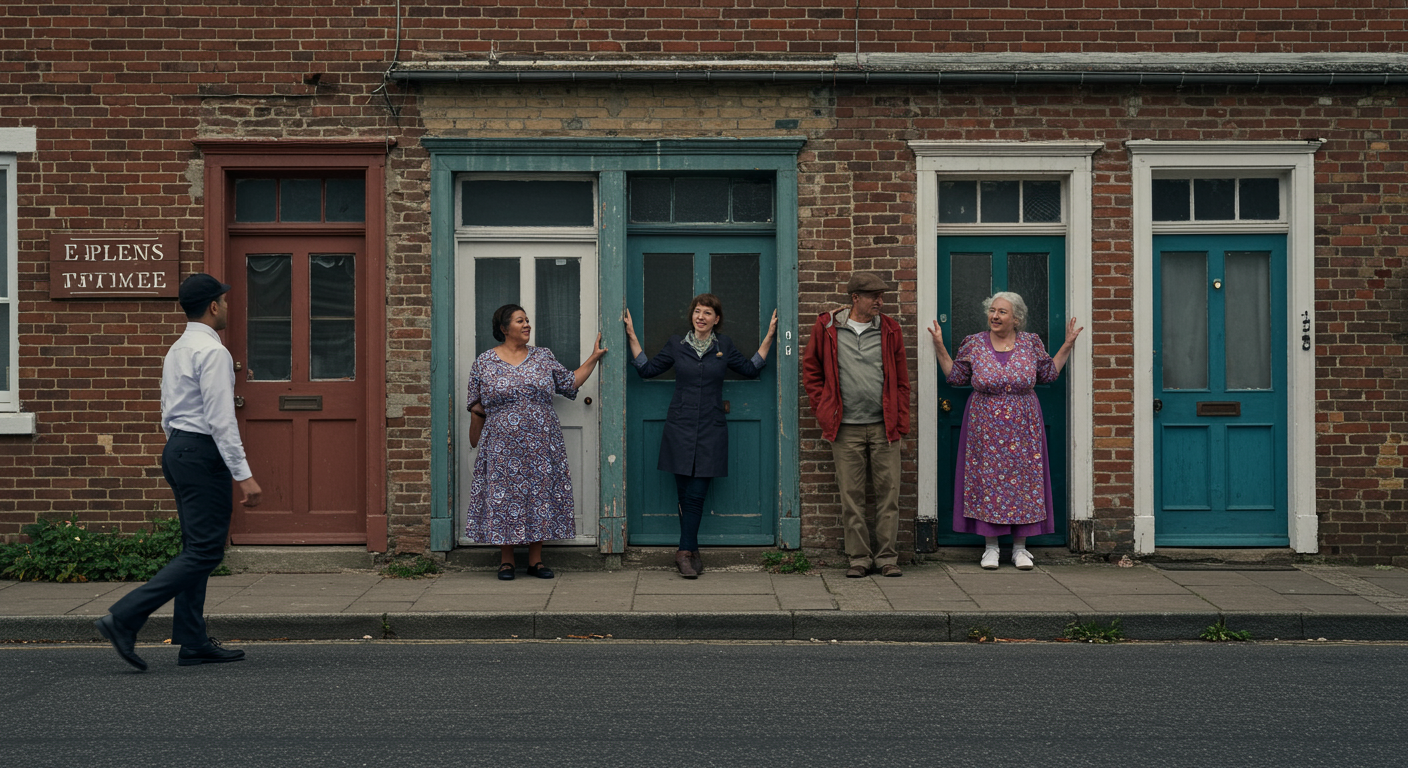
There are mornings when I can measure my place in town by how many people greet me before I finish my first errand. The woman at the bakery lifts her hand before I reach the counter. Someone across the street nods as if we are picking up a conversation we started last week. At the corner shop, I do not need to explain what I came for because my routine has already done that for me. None of these moments are dramatic. That is exactly why they matter.
Living in a place where people know your name creates a strange kind of intimacy. It is not the intimacy of deep confession or lifelong friendship. It is softer than that, built out of repetition, recognition, and the ordinary act of being noticed. Over time, those small exchanges begin to shape the emotional weather of daily life. A town stops feeling like a backdrop and starts feeling like a relationship.
What It Feels Like to Live Where Everyone Knows You
At first, being recognized can feel surprising. If you have lived in bigger cities, you get used to moving anonymously through the day, your life held privately inside your own head. In a smaller town, that invisible layer thins. You are seen. The person pouring your coffee remembers how you take it. A neighbor asks about the package you were carrying yesterday. Someone notices when you have been away for a few days and says, simply, “We haven’t seen you.”
There is comfort in that kind of familiarity. It softens the edges of a foreign place, especially for expats still learning how to belong. When your language still catches on certain words, and local customs still need interpretation, recognition becomes its own kind of fluency. You may not fully understand everything around you, but people know who you are. That counts for more than I expected.
The feeling is hard to explain to anyone who has not lived it. It is part warmth, part surprise, part surrender. You realize that your life has become legible to other people. They have witnessed enough of your habits to place you in the story of the town.
How Familiarity Becomes Part of the Routine
Most of this sense of belonging is built through routine. You walk the same streets, stop at the same places, pass the same faces. The repetition gives the town its rhythm. Over time, that rhythm starts to carry you. You know which table is usually free at a cafe in the late morning. You know when a certain doorway fills with conversation. You know which streets stay quiet and which ones seem to gather people in.
Then, almost without noticing, the town begins to know you back. Familiarity does not arrive all at once. It accumulates. One greeting leads to another. A shopkeeper remembers your usual order. A passerby becomes someone who asks how your week is going. The distance between stranger and acquaintance shrinks through tiny, repeated contacts that would barely register anywhere else.
For an expat, those acknowledgments can be grounding. They make a place feel less temporary. They suggest that your life is not happening outside the community, just beside it. Even if your role is small, it is recognized. In a world where many people feel interchangeable, there is reassurance in becoming specific to others.
The Comfort of Belonging
Belonging is often imagined as something grand: a milestone, a declaration, a moment when a place finally opens and lets you in. In reality, it often arrives in much smaller ways. It can be the fact that someone notices your absence. It can be the familiar exchange that turns an ordinary errand into a point of connection. It can be the relief of entering a room where your presence does not need to be explained.
That kind of recognition can ease loneliness in ways that are easy to underestimate. Expat life can be full of beauty, but it can also be threaded with dislocation. You may be far from family, far from old friendships, far from the version of yourself that moved effortlessly through the world. In that context, being remembered carries emotional weight. It reminds you that your life touches other lives, even in passing.
What is moving is not that everyone knows you deeply. It is that you are expected. Your presence has become part of the daily pattern. And sometimes that is enough to make a place feel like home, not because it has turned into something perfect, but because it has made room for you in its ordinary routine.
The Other Side of Being Visible
Of course, there is another side to all of this. Warmth and visibility are close relatives, and visibility can sometimes feel like scrutiny. In a town where people notice you, they also notice your habits, your absences, and your moods. If you skip your usual stop, someone may ask why. If you look tired, someone may comment. If your rhythm changes, it does not go unobserved.
There are days when this feels comforting, and days when it feels like too much. Anonymity has its own kind of freedom. In larger places, you can disappear into the crowd when you need distance or privacy. In a smaller town, that option narrows. You are part of the landscape now, and landscapes are visible.
This is the subtle tension of close-knit life: to be known is also to be legible. People build a picture of you from fragments, from what time you pass, where you linger, whether you seem cheerful or distracted. Most of the time, this attention is harmless, even affectionate. But it can still feel constraining. Some days, you want to be held by the familiarity of a place. Other days, you want to move through it untouched.
That contradiction does not cancel out the beauty of being known. If anything, it makes it more real. Community is not pure comfort. It asks something of you. It makes your life visible in exchange for making it connected.
What This Kind of Town Teaches You
Living in a town like this changes your understanding of community. It teaches you that relationships do not always begin with intention. Sometimes they begin with repetition. You show up often enough, long enough, and eventually recognition becomes its own bond. The modern world tends to celebrate speed and scale, but small-town life reveals the power of slowness. People come to know each other gradually, through accumulated presence rather than performance.
It also teaches a quiet kind of mutual responsibility. When people know your name, they are not just recognizing you. They are, in a small way, holding you in mind. And you begin to do the same for them. You notice when someone’s shop is closed unexpectedly. You wonder when a familiar face has not appeared. You become more attentive because attention is part of how the place works.
That may be the most meaningful lesson of all. Being known is not only about receiving warmth. It is also about learning to offer it. Community is built less through declarations than through steadiness: returning, remembering, asking, noticing. These are small acts, but together they create the invisible structure that makes a place livable.
Why It Stays With You
What stays with me is not any single interaction, but the cumulative feeling they create. The sense that my life here has texture because it is witnessed. Not constantly, not intrusively, but enough to matter. Enough that a morning can feel different because three people said hello before noon. Enough that an ordinary street can hold memory simply because it has seen me often.
Not every day feels charming. There are days when the closeness feels heavy, when I miss the privacy of being unknown, when familiar questions land at the wrong moment. But even then, I recognize the deeper gift inside the inconvenience. To be noticed is, in some quiet way, to belong.
Maybe that is how home begins. Not with ownership or permanence, not with certainty, but with repetition and recognition. With the moment a place stops treating you as a visitor and starts folding you into its daily life. A town where everyone knows your name can feel small, exposing, tender, and complicated all at once. But once you have lived inside that kind of intimacy, it leaves a mark. You carry it with you, even after you leave.