The Town That Time Forgot: Life in a Place That Appears on No Tourist Map
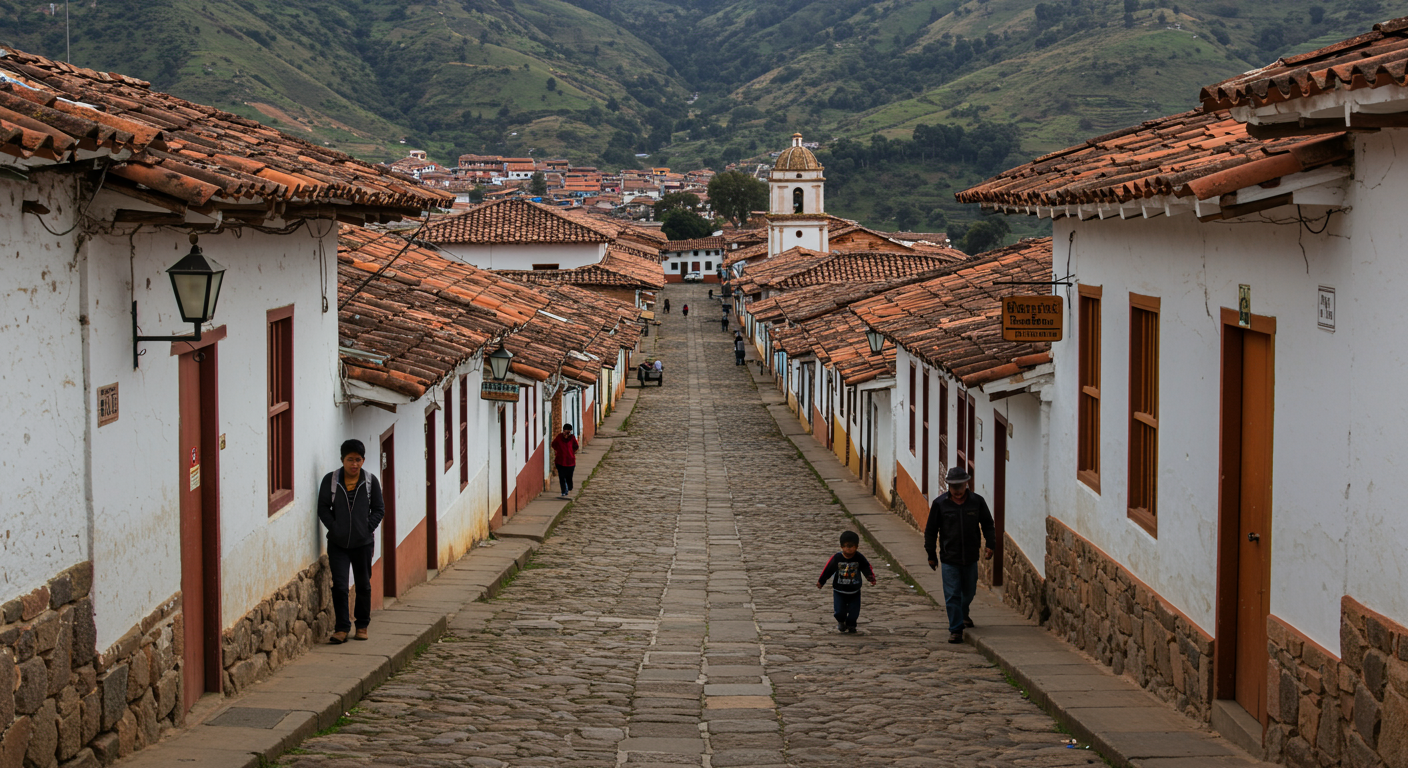
Some places exist in the margins of maps, forgotten by guidebooks and invisible to travelers who follow well-worn paths. I discovered such a place entirely by accident—a town nestled in the Andean foothills that seems suspended in its own pocket of time, untouched by the forces that have transformed so many other corners of Ecuador into tourist destinations.
The Discovery
My discovery of this hidden gem came through a series of fortunate mistakes. What started as a wrong turn during a bus journey from Cuenca to a supposedly popular hiking destination led me down a winding dirt road that carved through eucalyptus groves and cornfields. When the aging bus finally wheezed to a stop, I found myself in a place that felt like stepping through an invisible curtain into another era.
The first thing that struck me was the complete absence of anything designed for visitors—no welcome signs, no souvenir shops, no restaurants with English menus taped to windows. Instead, I witnessed the simple rhythms of daily life: women washing clothes in the central fountain, men gathered around a weathered wooden table playing cards, children chasing chickens through narrow cobblestone streets that had clearly been laid by hands that never considered whether a tour bus might one day need to navigate them.
It took me several minutes to realize that I was likely the first foreigner these streets had seen in months, possibly longer. The curious but friendly glances from residents confirmed what the complete lack of tourist infrastructure had already suggested—this was a place that existed entirely for its own people, on its own terms.
A Place Time Forgot
The town reveals its character slowly, like an old photograph developing. Colonial-era buildings lean against each other in comfortable familiarity, their adobe walls painted in faded pastels that speak of decades without the need to impress outsiders. Wooden balconies sag with the weight of years and flowering vines that spill over wrought-iron railings in glorious disarray.
Every business serves the community rather than visitors. The single general store stocks everything from machetes to school supplies, its shelves a testament to the practical needs of people who live here year-round. The bakery produces simple bread for daily consumption, not artisanal loaves for social media photos. Even the small restaurant—if it can be called that—consists of just three plastic tables where the owner serves whatever she's cooking for her own family that day.
The natural setting embraces the town like a protective cocoon. Rolling hills dotted with grazing cattle stretch toward distant peaks, while a small river provides both practical water needs and a gathering place for evening conversations. The silence here is profound—broken only by church bells, roosters, and the occasional rumble of a pickup truck carrying produce to larger markets.
The People Who Call It Home
Don Carlos, the town's unofficial historian, told me his family had lived here for seven generations. At eighty-three, he remembers when the road was just a footpath and when news from the outside world arrived on horseback. His stories paint a picture of a community that has survived by adapting slowly, preserving what matters while quietly incorporating what helps.
The younger generation moves with easy confidence between traditional ways and modern necessities. They might spend mornings helping with family farmwork and afternoons studying on smartphones connected to surprisingly reliable internet. Yet they participate in the same festivals their grandparents celebrated, prepare the same traditional dishes, and maintain the same neighborly relationships that have sustained this place for generations.
When locals learn that I've chosen to stay rather than just pass through, their initial curiosity transforms into something warmer. Invitations to family celebrations appear. Neighbors begin sharing surplus vegetables from their gardens. I'm included in the informal networks of information and mutual aid that keep small communities functioning.
Living the Invisible Life
Settling into a place that doesn't expect outsiders requires recalibrating expectations and embracing a different rhythm of life. Simple tasks that would take minutes in a city become unhurried social interactions. Buying bread becomes a conversation with the baker about weather patterns and their effects on wheat prices. Filling water jugs at the public fountain becomes a chance to catch up on community news and help elderly neighbors with heavy containers.
The challenges are real but manageable with patience and flexibility. Limited shopping options mean planning meals around what's locally available and in season. Banking requires trips to larger towns. Internet speeds vary with weather conditions. Yet these inconveniences fade against the profound pleasure of living somewhere authentic, where your presence matters to the community and where daily life hasn't been optimized for efficiency but for human connection.
Perhaps most remarkably, living here offers the rare experience of existing outside the global tourist economy. There are no crowds to avoid, no authentic experiences to seek out—because everything here simply is what it is, with no performance for outside observers.
The Double-Edged Blessing
The isolation that keeps this town authentic also shapes its limitations and possibilities. Young people with ambitions beyond agriculture or small commerce must leave for education and opportunities. Economic challenges persist when your community exists outside mainstream development and investment. The charm of being off the map comes with the reality of being overlooked when resources and services are distributed.
Yet there's something precious about places that haven't been discovered, packaged, and marketed to the world. The lack of tourist pressure allows authentic culture to evolve naturally rather than becoming frozen in time for visitors' expectations. Relationships develop based on genuine human connection rather than economic transactions.
Living here has taught me that some of the world's most meaningful places might be those that appear on no tourist map. They offer something increasingly rare: the chance to experience a community that exists primarily for its own people, where life unfolds according to local rhythms rather than external expectations. Whether such places should remain hidden is a question each traveler must answer for themselves, but their value lies precisely in their invisibility—in being places where authentic life continues, unhurried and unobserved by the wider world.