The Time I Got Lost in the Cajas Mountains
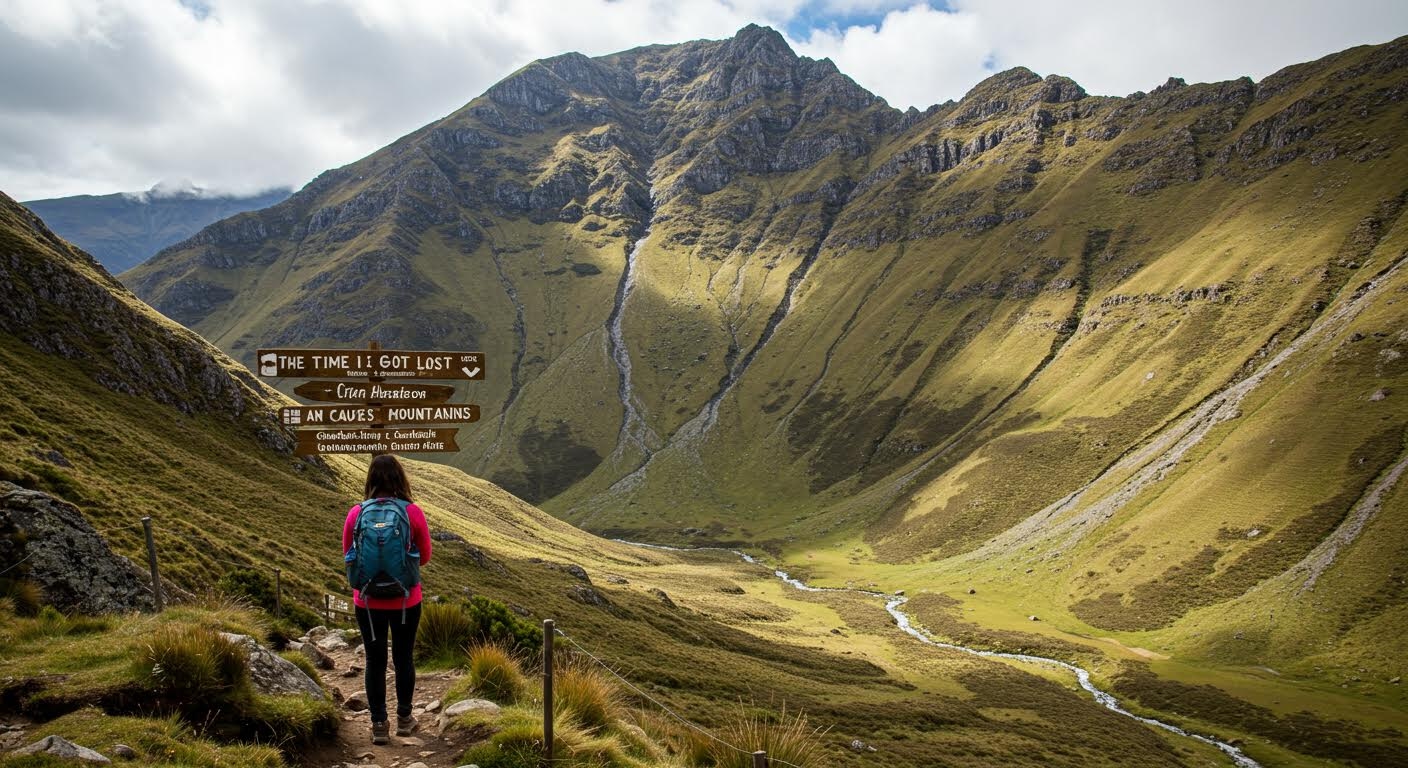
The morning mist clung to the lakes of Cajas National Park like a familiar blanket as I laced up my hiking boots, confident this would be just another pleasant day on the trails. How wrong I was.
Setting Out: A Simple Day Hike Gone Wrong
My preparation that morning was embarrassingly casual. A water bottle, some snacks, and my phone for photos—that was it. The trail looked straightforward on the park map, and I'd hiked sections of Cajas before without incident. The weather seemed perfect: cool but not cold, with just enough cloud cover to keep the sun from being too intense at 4,000 meters above sea level.
The first hour went exactly as planned. I followed the well-marked path past several of the park's famous lakes, stopping frequently to admire the unique páramo landscape. But somewhere around the second hour, as the morning mist began to thicken rather than clear, I realized I hadn't seen a trail marker in quite some time.
That nagging feeling in your stomach when something isn't quite right—I should have listened to it sooner. Instead, I convinced myself I was still on track, that the next rise would reveal familiar landmarks.
The Moment Everything Changed
The realization hit me like a punch to the gut. I was standing on a ridge I didn't recognize, looking down at lakes that weren't on my mental map of the route. The mist had become a proper fog, reducing visibility to maybe fifty meters in any direction. My phone showed no signal—not surprising at this altitude and remoteness.
Panic tried to creep in, but I forced myself to sit down and think. I had maybe four hours of good daylight left, and the temperature would drop significantly once the sun disappeared behind the mountains. My casual preparation suddenly felt criminally stupid.
I took inventory: half a bottle of water, a granola bar, a light jacket, and a phone that was useful only as a flashlight. No compass, no GPS device, no emergency supplies. The weight of my inexperience settled on my shoulders heavier than any backpack.
Survival Mode in the Páramo
The páramo ecosystem of Cajas is beautiful but unforgiving. The high-altitude grasslands stretch endlessly, broken only by rocky outcroppings and the countless lakes that give the park its name. What makes it particularly challenging for navigation is how similar everything looks—especially when you're lost and stressed.
As the afternoon wore on, the weather began its typical mountain mood swings. The fog would lift briefly, giving me hope that I could spot a familiar landmark, then descend again thicker than before. A light drizzle started, making the rocky terrain slippery and adding urgency to my situation.
The physical challenges were real—the thin air made every uphill step laborious, and my casual hiking shoes provided little grip on the wet rocks. But the mental game was harder. Fighting off despair while trying to make rational decisions about which direction to go required constant effort.
Finding My Way: Strategy and Luck
After what felt like hours of wandering, I made a decision that probably saved me: instead of continuing to search for the trail I'd lost, I would head consistently downhill toward what I hoped was the main road that cuts through the park. It wasn't a sophisticated strategy, but it was better than walking in circles.
The breakthrough came when the fog lifted just enough for me to spot a line of wooden posts marching across a distant hillside—a fence line that I remembered seeing from the car on previous visits. Following that fence became my lifeline, leading me gradually back toward familiar territory.
As the sun began to set, painting the páramo in shades of gold and purple, I finally heard the most beautiful sound in the world: car engines. The main park road appeared through the mist like a miracle, and twenty minutes later, a park ranger's truck pulled up beside my frantically waving figure.
Lessons from the Mountain
That day in Cajas taught me more about hiking and personal preparation than any guidebook ever could. The mountain had been patient with my ignorance, but it could have easily gone the other way.
Now, I never head into Ecuador's mountains without proper gear: compass, GPS device, extra food and water, warm clothing, and a detailed plan shared with someone who will notice if I don't return. What seemed like overkill before my Cajas experience now feels like basic common sense.
The experience also shifted how I think about risk and adventure as an expat. Living in Ecuador offers incredible opportunities to explore some of the world's most spectacular landscapes, but respect for the environment and proper preparation aren't optional—they're survival skills.
For fellow expats drawn to Ecuador's mountains, my advice is simple: prepare for the worst even when expecting the best. The páramo doesn't care about your hiking experience from other countries or your confidence level. It demands respect, proper gear, and careful planning.
Cajas forgave my inexperience that day, but it also taught me that the mountains here are serious business. Every hike since has been better planned, better equipped, and ultimately more enjoyable because I'm not gambling with my safety. Sometimes the best adventures are the ones where nothing goes wrong—but you're prepared in case something does.