The Street Dog That Adopted Me: An Unexpected Expat Companion
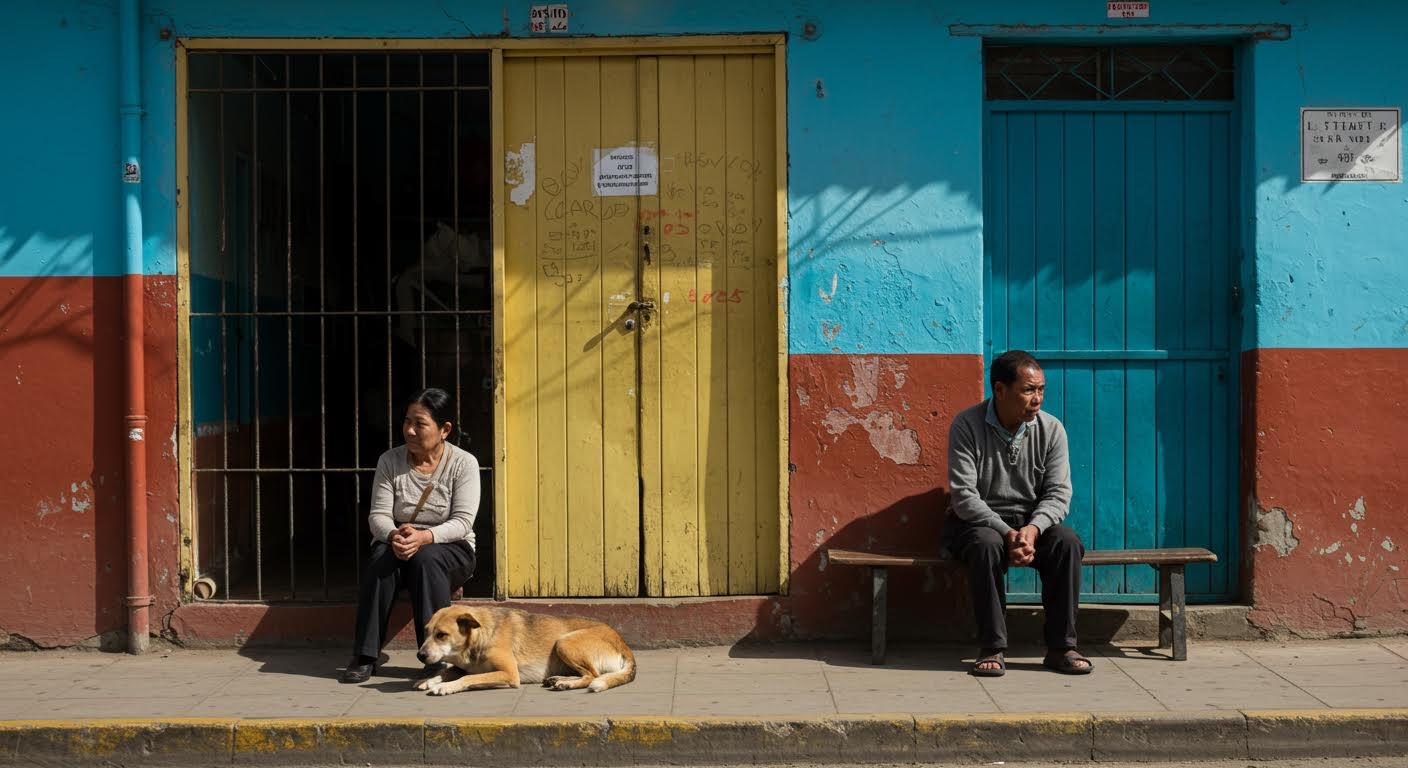
Moving to a new country brings countless surprises, but I never expected one of my most meaningful relationships would be with a four-legged local who had no owner, no collar, and no intention of being ignored.
The Unexpected Encounter
It was my third week in Cuenca when I first spotted him—a medium-sized brown dog with intelligent eyes and a slight limp. He'd claimed the shaded spot outside my regular morning café, perfectly positioned to watch the world go by.
Coming from a place where stray animals were uncommon, I felt unsure how to react. Should I make eye contact? Offer food? Keep walking? My uncertainty must have been obvious because he seemed to sense my hesitation, keeping his distance while watching me with what I can only describe as patient curiosity.
On the fourth day, he approached slowly as I settled in with my coffee. No demanding bark or aggressive begging—just a gentle presence beside my table. When I tentatively extended my hand, he sniffed politely and lay down nearby, as if he'd been waiting for permission to be my coffee companion.
A Growing Bond
What began as shared morning coffee evolved into something deeper. I started bringing extra pastries, which he accepted with dignity rather than desperation. This street dog had manners—he never jumped on people, never bothered other café patrons, and seemed to understand my work rhythm instinctively.
Within two weeks, our routine was set in stone. He'd appear when I arrived, settle beside my table during work sessions, then walk me partway home before returning to his neighborhood haunts. I began calling him Compañero—Spanish for companion—and he responded as if he'd been waiting his whole life for someone to give him a name.
The turning point came during a particularly rough day when homesickness and bureaucratic frustrations had me overwhelmed. As I sat outside the café feeling defeated, Compañero rested his head on my knee—a simple gesture that somehow made everything feel manageable. I realized then that I'd stopped being just another face in his day, and he'd become essential to mine.
Understanding Cultural Differences
My growing attachment to Compañero revealed cultural attitudes I hadn't considered before. Many locals seemed genuinely puzzled by my relationship with what they saw as just another street dog. Some were kind about it, explaining that street dogs were simply part of city life—occasionally fed by shop owners, tolerated but never claimed.
Others expressed mild concern about my emotional investment in an animal that "belonged to everyone and no one." It wasn't callousness, I learned, but practical wisdom born from a different relationship with urban animals.
Conversations with neighbors gradually revealed a complex network of informal care. The baker saved him scraps, the pharmacy owner let him shelter during rainstorms, and local schoolchildren had their own names for him. I wasn't adopting a stray—I was joining a community that collectively watched over him.
The Practical Side
Caring for Compañero meant navigating unfamiliar systems. Finding a veterinarian who'd treat a dog without official ownership papers required patience and creative explanations. My Spanish improved rapidly as I learned to discuss vaccinations, treatments, and basic care.
The financial impact was manageable but required budget adjustments. Vet visits, food, and supplies weren't expensive by international standards, but they represented an unplanned commitment. More challenging was my living situation—my small apartment banned pets, so our relationship had to remain public, centered around shared spaces rather than a shared home.
I learned to carry treats everywhere, memorized every veterinarian's location in the city center, and became a regular at local pet supply stores. These practical necessities connected me to community corners I might have otherwise missed, creating unexpected opportunities for conversation and friendship.
More Than Just a Pet
What surprised me most was how much Compañero eased the isolation that often accompanies expat life. Having a consistent daily routine built around another living being provided structure when everything else felt unpredictable. Our morning coffee sessions became anchor points in otherwise unmoored days.
He also proved an unexpected social bridge. Other dog lovers, both local and expat, would stop to chat about him. Shop owners who'd previously offered polite but distant service began greeting me as "Compañero's friend." Children would ask about him when I appeared alone, creating connection moments that might never have existed otherwise.
Most importantly, caring for him taught me something unexpected about belonging. Home, I realized, wasn't just about finding the right apartment or mastering the language—it was about developing relationships built on mutual dependence and care. Compañero needed me for consistent food and medical care; I needed him for companionship and the sense of purpose that comes from being needed.
Six months later, our relationship continues evolving. He's healthier now, more confident, and has clearly decided I'm his person, even if our living arrangement remains unconventional. I've learned that family takes unexpected forms, and sometimes the most meaningful connections develop not through planning, but by staying open to the possibilities that present themselves.
For anyone considering expat life, I'd suggest embracing unexpected companionship. Sometimes home finds you in the most unlikely forms—waiting patiently outside a café with intelligent eyes and infinite patience for humans still figuring out how to belong.