The Road Everyone Says Not to Take: An Expat's Journey Against Conventional Wisdom
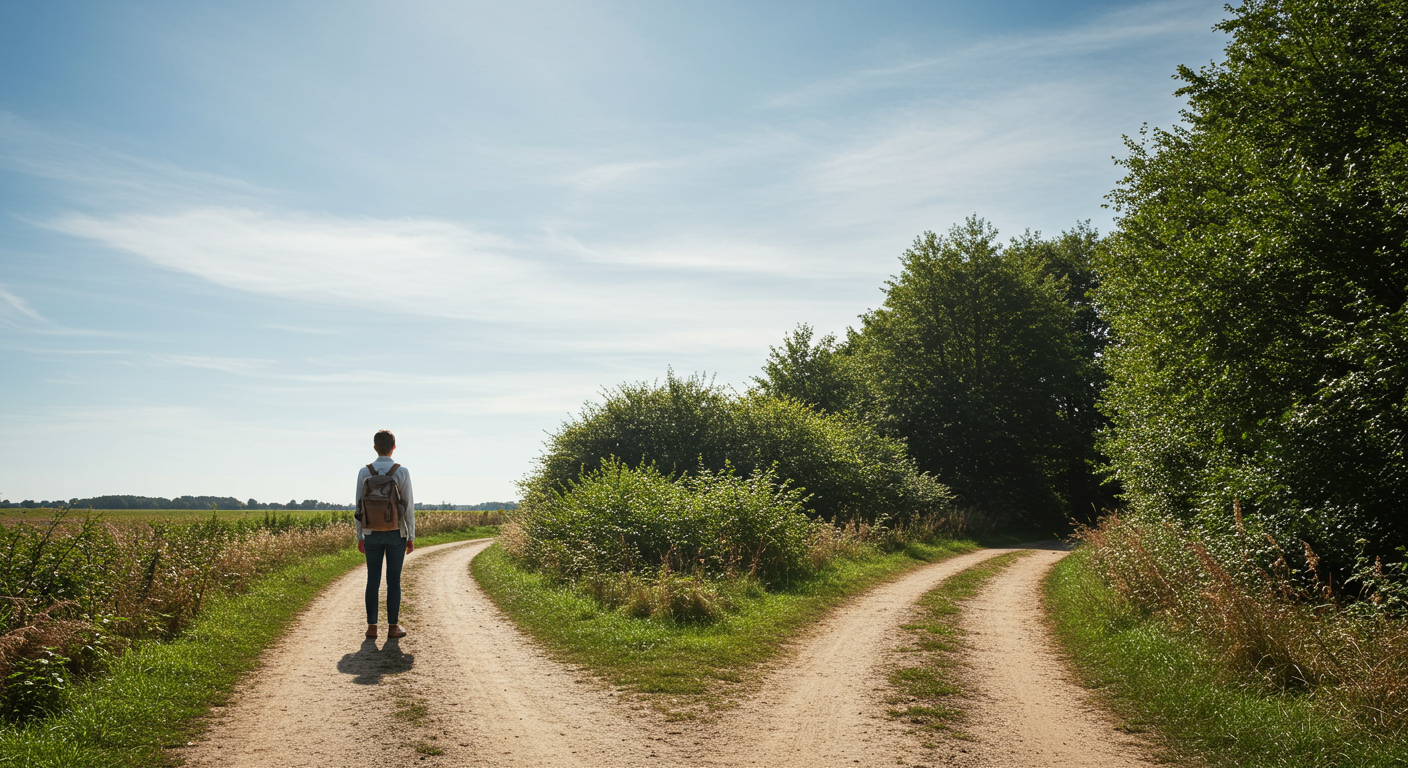
There's always that moment when you announce your plans to move abroad, and the room goes quiet. Then come the questions, the concerns, and the well-meaning advice that all seems to point in the same direction: anywhere but there. We've all heard it—the chorus of voices warning us away from certain destinations, certain choices, certain roads that "everyone knows" you shouldn't take.
Yet some of us pack our bags anyway.
The Warning Signs Everyone Points To
The warnings start early and come from all directions. Family members brandish outdated news articles like weapons. Friends who've never left their home country offer expertise on places they've never seen. Career counselors shake their heads at opportunities that don't fit their playbook.
"But what about your career progression?" they ask about that teaching position in a small Balkan town. "Isn't it dangerous?" they wonder about the startup opportunity in Latin America. "How will you ever come back from that?" they worry about the artist residency in Southeast Asia.
These voices aren't necessarily wrong—they're often rooted in genuine concern and sometimes real risks. The infrastructure might be challenging. The visa situation could be messy. The professional networks might be thin. But somewhere in all that caution, the individual gets lost. Your specific circumstances, your tolerance for uncertainty, your particular dreams and skills—none of that fits neatly into the general advice machine.
Why I Chose the Path Anyway
The moment I stopped listening to what "most people" would do was the moment my real expat journey began. It wasn't rebellion for rebellion's sake, but recognition that my situation was uniquely mine. The career everyone said I was abandoning had already left me feeling hollow. The safety everyone warned I was risking felt less secure than the adventure I was contemplating.
Personal curiosity became my compass. While others saw obstacles, I began to see variables I could work with. That "unstable" country had a growing tech sector that valued international experience. That "isolated" location had a community of expats doing exactly the kind of creative work I dreamed about. That "risky" venture had upside potential that simply didn't exist in safer choices.
The turning point came when I realized that taking the safe road felt like the biggest risk of all—the risk of always wondering "what if?"
What I Found on the Forbidden Road
The unconventional path delivered opportunities that existed precisely because it was unconventional. In places where fewer expats venture, there's often more room to make an impact. Skills that are common in expat hubs become valuable differentiators in overlooked markets. Relationships form more quickly when you're part of a smaller, more committed community of international residents.
I discovered that many of the "problems" people warned about became sources of personal growth. Navigating complex bureaucracy taught me patience and creative problem-solving. Limited English-language services pushed me to become truly fluent in the local language. Fewer familiar comforts forced me to build genuine connections with local culture rather than hiding in an expat bubble.
The communities I found were often stronger precisely because they were formed by people who had also chosen the road less traveled. There's a particular bond among expats who've all decided to ignore conventional wisdom—a mutual understanding and support system that's harder to find among those following well-established patterns.
The Price of Going Against the Grain
But let's be honest: some of those warnings proved accurate. The infrastructure challenges were real and sometimes exhausting. The professional isolation was occasionally brutal to navigate. Some opportunities that seemed promising didn't materialize, and recovery from setbacks took longer than it might have in more developed expat ecosystems.
There were moments of doubt, usually at 3 AM when dealing with some bureaucratic nightmare that friends back home would never face. Times when the latest political or economic instability made everyone question their choices. Periods when the distance from conventional career paths felt less like adventure and more like exile.
The social cost was perhaps higher than expected. Relationships with some friends and family members became strained, not from conflict but from the growing difficulty of relating to each other's daily realities. Dating became complicated when your life choices eliminated you from consideration by people seeking more traditional partnerships.
When the Road Less Traveled Becomes Your Highway
Over time, something shifted. The unconventional choice became my new normal, and with it came a different relationship to risk and decision-making. Having survived and thrived despite everyone's dire predictions built a confidence that extended far beyond expat life. I began to trust my own judgment more and popular opinion less, not from arrogance but from evidence.
This shift carries responsibility. Friends and acquaintances started asking for advice about their own unconventional dreams. Family members began to see my choices less as cautionary tales and more as proof that alternative paths could work. There's pressure in becoming an example of the road taken against advice—others might follow your lead into uncertainty.
The question isn't whether taking the road everyone says not to take is right or wrong. It's whether you're making the choice from your own authentic assessment or from fear and conformity. Some conventional wisdom exists for good reasons, and some individual circumstances genuinely call for standard solutions.
But for those of us who found ourselves staring down that forbidden road, feeling the pull of curiosity stronger than the weight of warnings, the journey has been worth every predicted difficulty. Not because it was easy, but because it was ours.
The road everyone says not to take isn't for everyone. But for some of us, it's the only road that leads home.