The Night Ecuador Went Dark: An Expat's 2 a.m. Blackout in Cuenca
The Night Ecuador Went Dark: An Expat's 2 a.m. Blackout in Cuenca
The Night the Lights Went Out
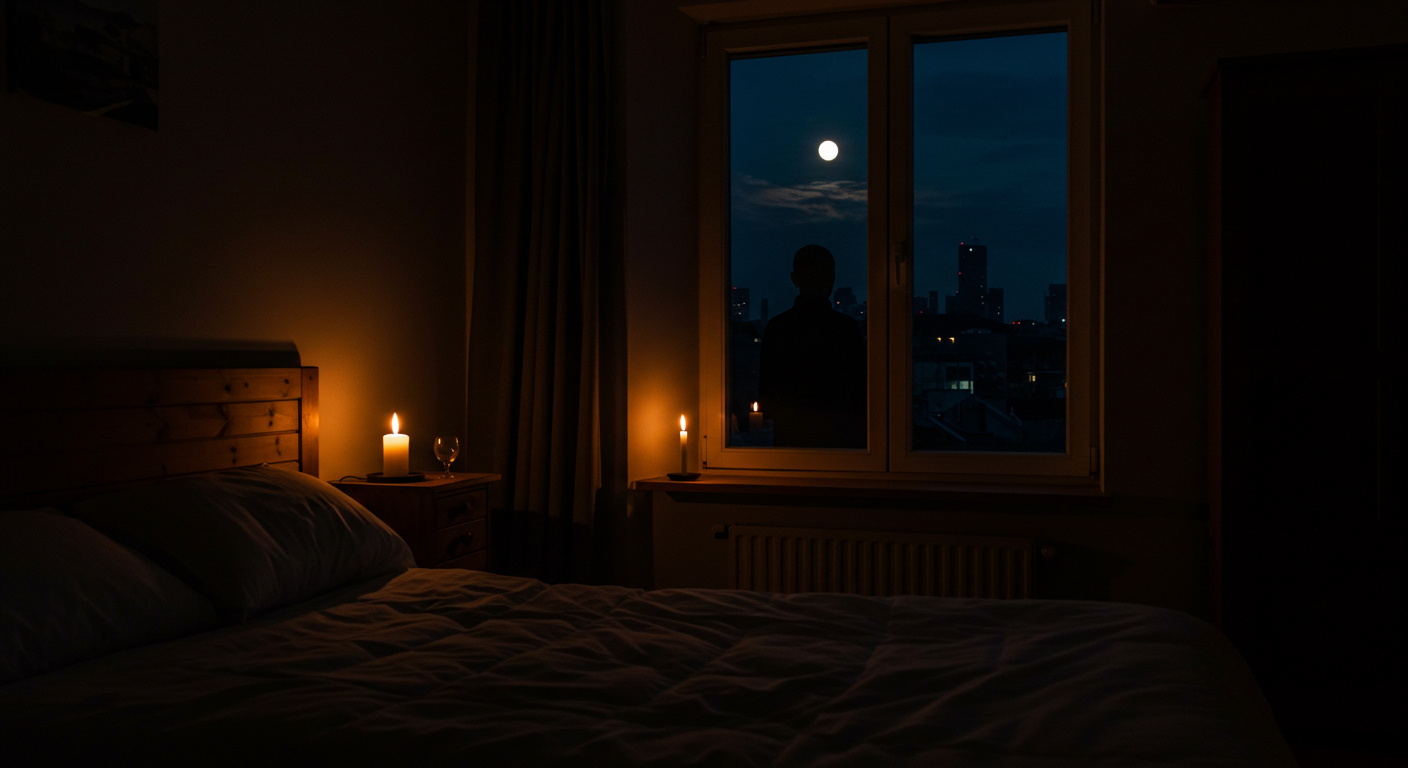
It was somewhere around 2 a.m. when I woke to a silence so complete it felt physical. No hum from the refrigerator down the hall. No faint glow from the streetlight outside my window. Just darkness, thick and total, pressing in on a room that moments before had felt perfectly ordinary.
My first thought was mundane: had I somehow tripped a breaker? I fumbled for my phone, more out of habit than strategy, and saw that it too offered nothing but a dead screen glow with no signal bars to speak of. It took several long, disoriented minutes before I understood this wasn't a problem confined to my apartment. Something bigger was happening, though I had no idea what.
In the hours and days that followed, I heard scattered reports of an explosion at the Paute Dam Complex, Ecuador's massive hydroelectric facility in the southern highlands. I want to be careful here: this is what circulated among neighbors, on social media, in half-finished conversations at the corner tienda once the sun came up. I can't confirm it happened exactly that way, or at all in the form described. What I can tell you is what it felt like to sit in the dark, wondering.
Piecing Together What Happened
Once I accepted that the outage wasn't local, I did what I suspect most people did: I checked my phone obsessively, willing the signal bars to reappear, scrolling through outdated group chats for any scrap of new information. When data finally trickled back, social media was a mess of rumors, some plausible, some clearly exaggerated, all impossible to verify in the moment.
The Paute Complex kept coming up. For those unfamiliar, it's a real and significant piece of infrastructure, one of Ecuador's primary sources of hydroelectric power, tucked into the Andean terrain between provinces. That such a critical facility might be at the center of a nationwide blackout felt entirely plausible, which is perhaps why the explanation spread so quickly. But plausibility isn't confirmation, and even now, I haven't seen anything I'd call authoritative reporting on an explosion, its cause, or its scale. CELEC EP, Ecuador's state electricity corporation, would be the body responsible for confirming any such incident, though I saw no official statement that night.
This, I think, is one of the truer textures of expat life: sitting with incomplete information, in a language you're still mastering, trying to separate rumor from reality without the usual anchors you'd have back home.
A City-Wide Blackout, City by City
What I heard, secondhand and through the fog of that night, was that the outage reached far beyond my own street in Cuenca. Reports circulated of Quito and Guayaquil also going dark, the country's three largest cities apparently affected at once. I want to be honest that I didn't witness this firsthand. It's what was told to me, what I read in fragments, not something I independently verified.
What I did witness was the atmosphere on my own block. Candles appeared in windows up and down the street. Someone's dog barked at shadows. Neighbors I'd only ever nodded to in passing stepped outside in pajamas, drawn together by shared confusion, comparing notes in hushed voices as if the darkness itself demanded quiet.
There was something almost surreal about it, a major outage rendered, at street level, as candlelight and murmured conversation rather than panic. The contrast between the scale of what was reportedly happening across the country and the intimate stillness of my own street has stayed with me.
Living Through Uncertainty as an Expat
I won't pretend I wasn't anxious. There's a particular flavor of unease that comes with infrastructure failure in a country that isn't quite yours yet, where you're still learning which emergency numbers work, which neighbors to trust for real information, and which local customs govern moments like this. But underneath the anxiety was something like curiosity, even a strange thread of adaptability I didn't know I had.
Expats, I think, learn to lean on community faster than they might at home. Without a clear official channel updating us in real time, we relied on each other: the neighbor who'd lived here for a decade and seemed unbothered, the shopkeeper down the street who'd heard something from his cousin in Guayaquil, the general communal shrug that said, essentially, we wait, we adapt, we'll find out eventually.
It's a sharp contrast to the expectations I carried from home, where an outage like this would likely trigger immediate news alerts, utility company statements, a steady drip of official updates. Here, patience became the operative skill, not because information was being withheld, but because in the moment, no one, official or otherwise, seemed to have clear answers yet.
Waiting for Answers, Finding Meaning
Power returned to my part of Cuenca sometime before dawn, restoring the hum of the refrigerator and the comforting monotony of a working phone signal. But the questions lingered longer than the darkness had. What actually happened at Paute, if anything did? Was it truly an explosion, or something more mundane that got dramatized in the retelling? I still don't know, and I want to be clear that this piece isn't an incident report. It's a personal account of one strange night, filtered through uncertainty, rumor, and the particular disorientation of living somewhere still new to me.
What I take from that night isn't a tidy explanation but a small lesson in resilience. Expat life in Ecuador, I'm learning, has its own rhythm, one that includes unpredictable interruptions and unresolved questions alongside the beauty and adjustment everyone talks about. Sitting in candlelight with strangers-turned-neighbors, waiting for answers that may never fully arrive, felt like its own kind of initiation into that rhythm.