The Most Beautiful Places in Ecuador You've Probably Never Heard Of
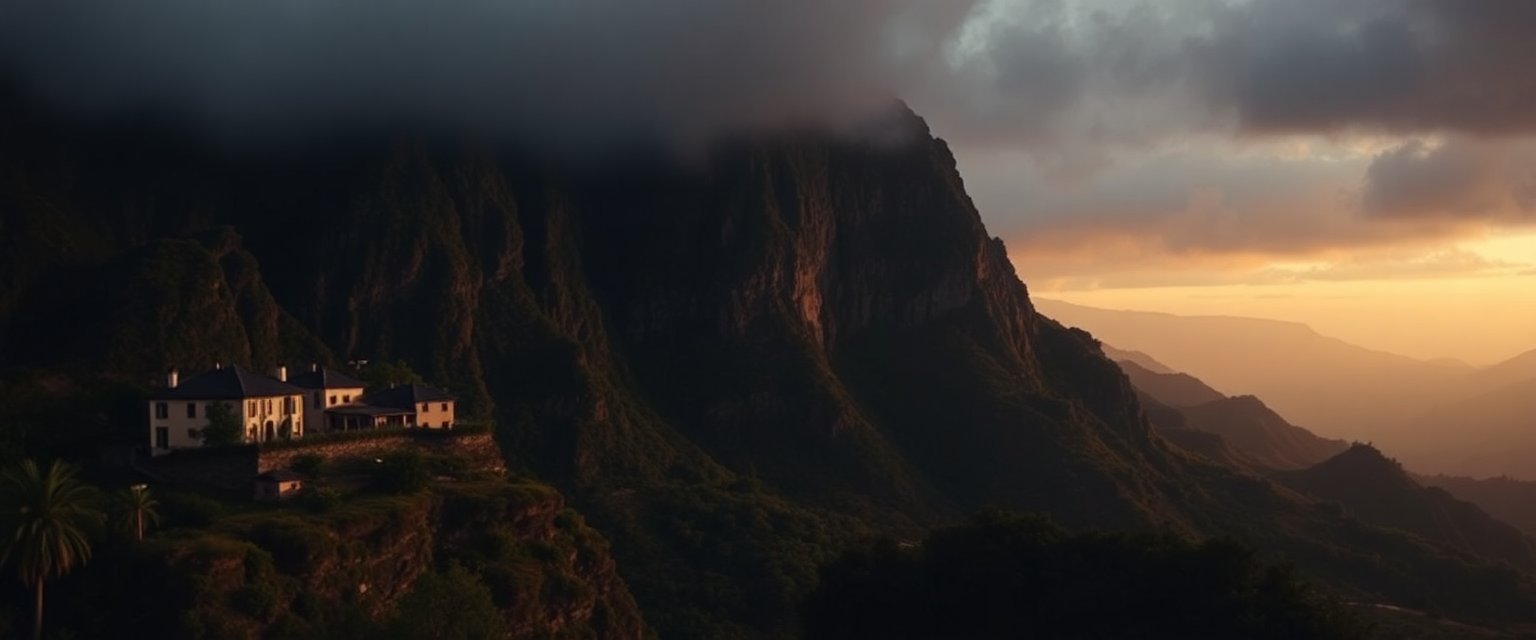
After five years of calling Ecuador home, I've discovered that the country's most breathtaking destinations rarely make it into guidebooks. While tourists flock to the Galápagos and well-known archaeological sites, some of the most spectacular places on Earth lie hidden in plain sight, waiting for those willing to venture beyond the beaten path.
Ecuador's compact size—roughly the area of Colorado—contains an almost impossible diversity of ecosystems. Within a single day's drive, you can journey from Pacific beaches through cloud forests to Amazon rainforest, each harboring secret spots that have captured my heart and redefined my understanding of natural beauty.
Coastal Secrets: Beyond the Galápagos
While everyone dreams of the Galápagos, few know about Isla de la Plata, affectionately called the "poor man's Galápagos." This small island off the Manabí coast hosts many of the same species—blue-footed boobies, frigatebirds, and humpback whales during migration season. The boat ride from Puerto López costs a fraction of a Galápagos trip, yet the wildlife encounters can be equally magical.
Just south, Los Frailes Beach within Machalilla National Park offers what I consider Ecuador's most pristine coastline. The horseshoe-shaped bay, framed by dramatic cliffs and accessible only by a short hike through dry forest, feels like a private paradise. I've spent entire afternoons here without seeing another soul.
The nearby Agua Blanca community protects ancient Manteño ruins and natural sulfur lagoons where locals believe the mineral-rich waters have healing properties. Community-guided tours provide insights into pre-Columbian cultures while supporting indigenous families—a perfect example of how hidden gems can offer deeper cultural connections than crowded tourist sites.
Andean Hidden Gems: Mountains Off the Tourist Trail
Laguna Quilotoa appears in some guidebooks, but most visitors arrive at midday to find crowds and harsh lighting. The secret lies in timing: arrive before sunrise for the most spectacular light show I've witnessed in Ecuador. As dawn breaks over the crater lake's turquoise waters, mist rises from the volcanic depths while condors circle overhead. The early morning effort rewards you with solitude and photographic gold.
For serious mountain enthusiasts, El Altar massif represents Ecuador's most technically challenging and visually stunning peak. This extinct volcano's jagged spires and glacial valleys require mountaineering skills, but the approach trek alone—through cloud forest and páramo to the spectacular Collanes valley—ranks among South America's most beautiful hikes.
Sangay National Park, a UNESCO World Heritage site, remains largely unexplored due to its remote location and active volcanic activity. The park's untouched páramo ecosystem and the chance to witness Sangay volcano's regular eruptions make it a destination for adventurous souls seeking truly wild experiences.
Amazon Secrets: Deep Jungle Discoveries
The Limoncocha Biological Reserve protects a pristine lake ecosystem that feels like stepping into an untouched world. This former oil exploration site, now managed by local communities, offers some of Ecuador's best wildlife viewing. Pink dolphins surface regularly in the dark waters, while the surrounding forest hosts over 400 bird species.
Near the Peruvian border, the Kapawi Ecolodge region showcases community-owned wilderness at its finest. The Achuar people maintain this remote area as their ancestral home while offering carefully managed visits. The experience—accessible only by small aircraft—provides authentic cultural exchange in one of the Amazon's most biodiverse areas.
The mysterious Cueva de los Tayos combines natural wonder with indigenous legend. This massive cave system in Morona Santiago province features chambers large enough to house cathedrals, with Shuar people maintaining that the caves hold ancient secrets. Recent expeditions continue to map new passages in what may be South America's largest cave network.
Cloud Forest Magic: Where Worlds Collide
While Mindo attracts many visitors, few explore beyond the main canopy tours. The lesser-known trails leading to waterfalls like Cascada Nambillo or night walks revealing glass frogs and kinkajous offer more intimate encounters with cloud forest magic. Early morning bird walks often yield sightings of the elusive cock-of-the-rock.
Bellavista Cloud Forest Reserve operates as both a research station and eco-lodge, providing visitors with scientist-led experiences unavailable elsewhere. The reserve's trail system passes through primary cloud forest where every tree hosts dozens of epiphyte species, creating a vertical ecosystem of incredible complexity.
The Mashpi Lodge surroundings, while luxury-priced, demonstrate how conservation and tourism can work together. The reserve's research initiatives and innovative canopy access systems—including an aerial gondola through the forest canopy—offer unprecedented views into cloud forest biodiversity.
Cultural Hideaways: Authentic Community Experiences
Zuleta village in Imbabura province combines cultural preservation with conservation success. The community's embroidery cooperative maintains traditional textile arts while their condor rehabilitation project has helped restore this magnificent bird to Ecuadorian skies. Staying with local families provides insights into highland life rarely accessible to outsiders.
In the Tigua valley, indigenous artists have transformed landscape painting into a celebrated art form while maintaining traditional quinoa farming practices. The valley's isolation has preserved both cultural traditions and stunning high-altitude scenery that inspired the famous Tigua painting style.
The Saraguro people's territory in Loja province maintains the strongest Inca cultural traditions in Ecuador. Their distinctive black clothing, traditional architecture, and ceremonies provide living connections to pre-Columbian civilizations. Community-based tourism initiatives allow respectful cultural exchange while supporting indigenous autonomy.
Practical Guide: Making These Places Accessible
Reaching these hidden gems requires planning and flexibility. Many destinations involve multi-stage transportation—buses to small towns, then local transport or hiking to final destinations. Hiring local guides not only ensures safety but provides economic benefits to communities protecting these special places.
Weather patterns vary dramatically by region and elevation. Coastal areas are best during the dry season (June-November), while Amazon destinations offer year-round access with varying water levels. Highland weather can change rapidly, making flexible itineraries essential.
Accommodation ranges from community-run guesthouses to wilderness camping. Many locations offer homestay opportunities that provide cultural immersion impossible in hotels. Always communicate arrival times with communities, as many hidden gems require advance coordination.
Most importantly, these destinations remain special because they're visited respectfully and sustainably. Follow Leave No Trace principles, support local communities through guide services and handicraft purchases, and remember that you're a guest in places where people have lived sustainably for centuries.
Ecuador's hidden treasures reward those willing to venture beyond guidebook recommendations. Each discovery reminds me why I chose this remarkable country as home—not just for its famous destinations, but for the countless secret places that continue to surprise and inspire after years of exploration.