The Llanganates Mystery: A New Documentary Revives the Legend of Atahualpa's Lost Gold
The Llanganates Mystery: A New Documentary Revives the Legend of Atahualpa's Lost Gold
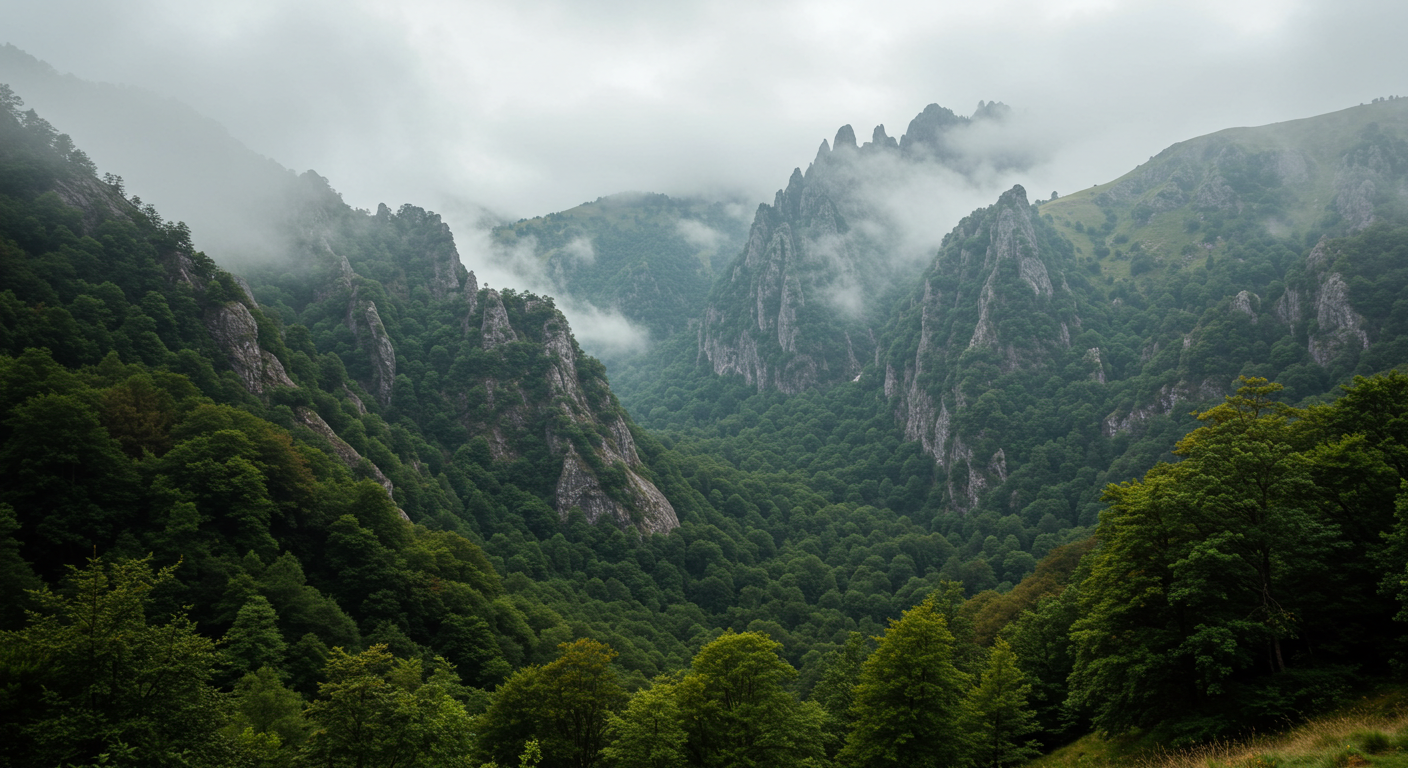
Deep in Ecuador's central highlands, the Llanganates mountain range has long held a reputation as one of South America's most stubborn keepers of secrets. Its cloud-wrapped peaks, dense páramo, and near-impenetrable terrain have made it the setting for one of the continent's most enduring treasure legends: the lost ransom of the Inca emperor Atahualpa. A new documentary is reportedly reviving this story, arguing that the gold never left Ecuadorian territory at all and remains hidden somewhere within the Llanganates to this day.
It's worth noting upfront that specific details about this documentary, including its title, the filmmakers behind it, and its release date, remain unconfirmed. What follows is an exploration of the legend itself, the historical context that gave rise to it, and why such stories continue to resonate so strongly in Ecuador, particularly among the expat and traveler communities who have made the country their home.
The Historical Roots of Atahualpa's Ransom
The legend traces back to one of the most consequential events in South American history. In 1532, the Spanish conquistador Francisco Pizarro captured the Inca emperor Atahualpa in the highland city of Cajamarca, in present-day Peru. According to the traditional account, Atahualpa offered an enormous ransom of gold and silver in exchange for his release, and Inca subjects across the empire began gathering treasure to meet the demand. Despite the ransom reportedly being collected, Pizarro had Atahualpa executed in 1533, a betrayal that has echoed through Andean history and folklore ever since.
From this event grew a persistent belief that not all of the promised treasure ever reached the Spanish. According to legend, loyal Inca generals and subjects, upon learning of Atahualpa's execution, diverted a portion of the gold, hiding it rather than allowing it to fall into Spanish hands. This idea, that a vast, undelivered treasure still lies concealed somewhere in the Andes, has fueled centuries of speculation, expeditions, and storytelling.
Why the Llanganates Became the Legend's Epicenter
Of all the places where this treasure might be hidden, the Llanganates have become the legend's most famous setting. The range is known for its extreme remoteness: dense fog, unpredictable weather, boggy terrain, and few reliable trails make it one of the most difficult regions in Ecuador to navigate. This inaccessibility has done more to sustain the myth than any single piece of evidence.
Generations of explorers, treasure hunters, and local guides have ventured into the Llanganates in search of the fabled gold, some documented, many more passed along through oral tradition. Historical figures and amateur adventurers alike have claimed to find clues, maps, or markers pointing toward the treasure's location, yet no confirmed discovery has ever been made. Rather than settling the question, each unsuccessful expedition seems to have only deepened the region's mystique, reinforcing the Llanganates' reputation as a place where secrets are kept, not revealed.
What the New Documentary Reportedly Claims
The documentary at the center of this renewed interest reportedly argues that Atahualpa's ransom gold never left Ecuadorian soil, positioning the Llanganates as the definitive resting place of the treasure rather than one theory among many. This is a notable claim, since previous versions of the legend have pointed to other possible locations across the Andes.
Without verified sourcing available, though, the specific evidence, expert commentary, or research methods the documentary may present cannot be confirmed here. It's important to distinguish between the centuries-old historical legend, which is well documented as folklore, and any new assertions the documentary itself makes. Readers should treat claims attributed to the documentary as part of its own narrative framing rather than as independently established historical fact.
Why This Story Resonates with Expats and Travelers in Ecuador
Stories like this one have a particular pull for expats and long-term visitors living in Ecuador. Many are drawn to the country not just for its climate or cost of living, but for the depth of its history and the living folklore that surrounds daily life in the highlands. A legend involving a lost empire, a dramatic betrayal, and an unsolved mystery hidden in the mountains offers a compelling entry point into Ecuadorian culture and identity.
The Atahualpa treasure legend also intersects with a broader interest in adventure tourism. Hikers, history enthusiasts, and curious travelers are often drawn to the Llanganates region itself, even without any expectation of finding gold, simply for the challenge and atmosphere the landscape provides. In towns near the range, the legend remains part of everyday conversation, woven into local identity and passed down much like any other piece of regional heritage.
Separating Myth from Verified History
As interest in this documentary grows, it's worth remembering the difference between a centuries-old cultural legend and a new, unverified claim built around it. The story of Atahualpa's ransom and its possible concealment is a well-established piece of Andean folklore, shaped by generations of retelling. The documentary's specific assertions, by contrast, should be understood as the latest chapter in that ongoing narrative rather than a settled historical conclusion.
Whether or not the gold is ever found, the legend's real power may lie less in the treasure itself and more in what it represents: a story of resistance, loss, and mystery that continues to shape how people, both Ecuadorians and the expats who come to call the country home, relate to its history and its landscape. The Llanganates remain as inaccessible and enigmatic as ever, and for now, the gold, if it exists, stays exactly where legend has always placed it: just out of reach.