The House That Everyone Avoids: A Small-Town Mystery in Southern Ecuador
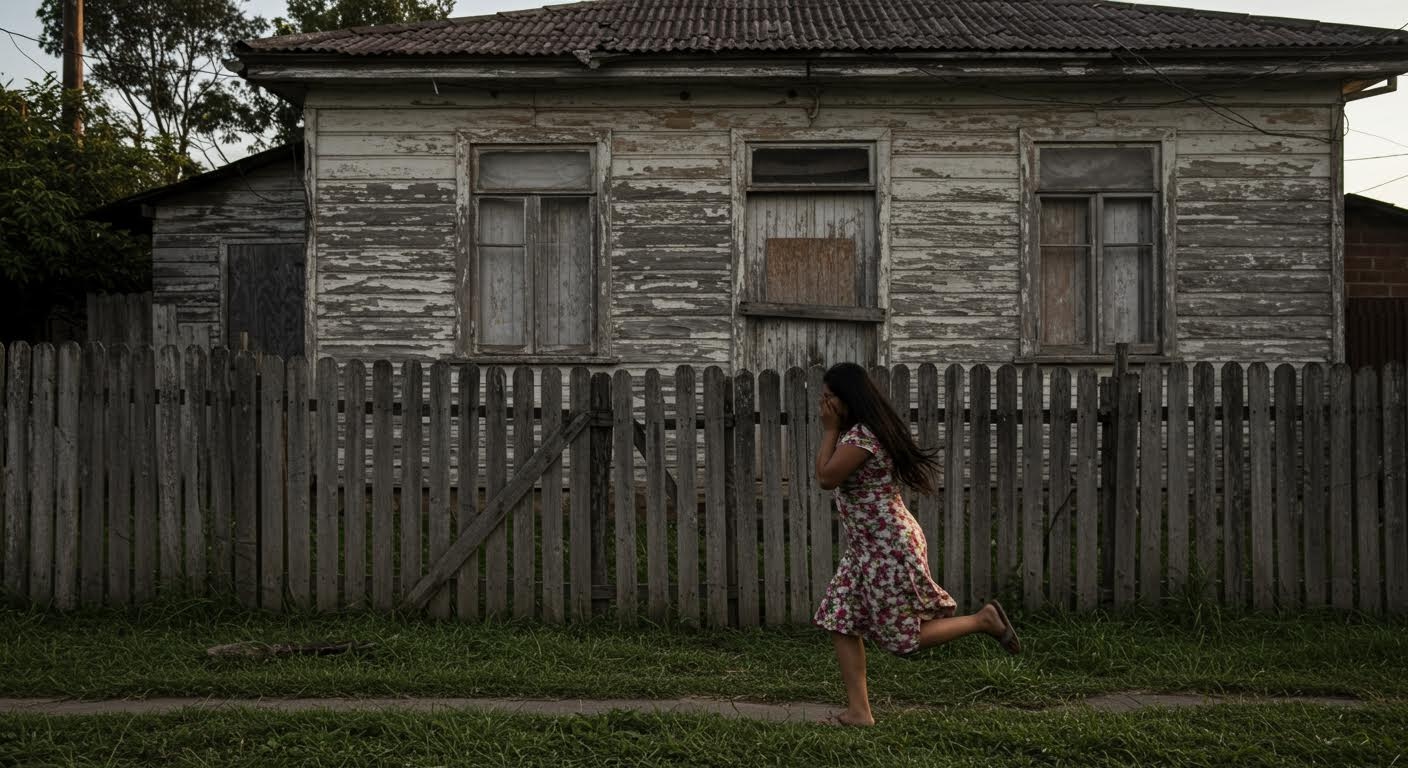
Some places carry their own gravity, drawing stories and whispers like a magnet draws iron filings. In the small town where I've made my home in southern Ecuador, that place is the house at the end of Calle San Miguel.
The House at the End of Calle San Miguel
You notice it immediately—not because it's grand, but because of the strange dance people perform around it. The colonial house looks like any other on the cobblestone street, with faded blue shutters and a wrought-iron balcony that speaks of better decades. Adobe walls weathered to dusty cream bear the marks of countless rainy seasons, and bougainvillea spills over the courtyard wall in defiant bursts of magenta.
But watch the sidewalk long enough, and you'll see the pattern. Pedestrians approach normally, then suddenly cross into the street, often without looking up from their phones or pausing their conversations. It's so automatic that most seem unconscious of doing it.
The house's remarkable details—carved wooden door with original bronze knocker, decorative tilework catching morning light—make the avoidance even more striking. This isn't a house people ignore; it's one they actively navigate around.
Whispered Warnings and Local Reactions
My first attempts at satisfying curiosity met with polite deflection perfected by Ecuadorians into an art form. "Mejor no preguntar"—better not to ask. The words always came with a slight head shake and eyes that suddenly found something fascinating in their shoes or the sky.
Maria, who runs the corner tienda and normally chatters about everything from her grandson's grades to the mayor's new haircut, goes quiet when I mention the blue shutters. Her animated gestures slow, and she finds urgent business rearranging the perfectly organized candy display.
Even children absorb this collective avoidance. I've watched kids playing soccer suddenly redirect their game when the ball rolls too close to that doorway, as if an invisible force field surrounds the property.
The cultural cues are subtle but unmistakable—conversations halting mid-sentence, shoulders tensing slightly, mothers unconsciously pulling children closer. These aren't reactions to something merely unpleasant; they speak to something deeper, more ancestral.
Piecing Together the Story
Fragments emerged slowly, like pottery shards surfacing after rain. The house had been beautiful once, Señora Rosa mentioned while hanging laundry, before catching herself and changing the subject to weather. There had been a family—a prominent one—but that was during "la época mala," the bad time. She wouldn't specify which; Ecuador has weathered several.
Don Carlos, who has run the same shoe repair shop for forty-three years, proved most forthcoming, perhaps because his arthritis bothers him on cloudy days and misery enjoys company. Over several afternoon conversations with his wife's coffee, puzzle pieces emerged.
There had been lights in windows of the empty house, he said. Voices when no one was home. Not recently—years ago, maybe decades. But towns have long memories, especially small ones where stories pass from generation to generation like inherited jewelry, polished smooth by retelling.
"Some things," he said, fixing a work boot heel with unnecessary attention, "are better left undisturbed."
The Expat Dilemma: Curiosity vs. Cultural Respect
Living between cultures means constantly navigating moments where investigative instincts clash with respect for local customs. My outsider status grants certain freedoms—I can ask direct questions that would be rude from locals—but also creates barriers to understanding the deeper currents shaping community behavior.
Part of me wanted to research property records, knock on that carved door, treat the mystery like a puzzle demanding solution. But another part, having learned to read subtle signs of when to push and when to retreat, recognized something more important at work.
The house serves a function beyond its physical presence. It's a shared reference point, a collective understanding that bonds neighbors through common acknowledgment of something beyond rational explanation. To demand answers would position me as someone who values personal curiosity over community wisdom.
This tension—between desire to understand and recognition that some understanding isn't meant for outsiders—defines much of the expat experience. We're perpetual students in a classroom where some lessons aren't written down.
What the House Taught Me About Belonging
Months later, I've stopped crossing the street when passing the blue shutters. Not from supernatural concern, but because I realize true integration sometimes means accepting rather than dissecting. The house taught me that communities are held together by more than shared geography or language; they're bound by shared mysteries, collective agreements about what deserves reverence, even if that reverence takes the form of avoidance.
I may never know why everyone avoids that house, and I've come to understand that this not-knowing is itself a form of belonging. To be part of this place means accepting that some stories aren't mine to uncover, some questions aren't mine to ask.
Local folklore serves as more than entertainment or superstition; it functions as community DNA, carrying cultural memory and shared values between generations. By participating in the collective mystery—even through respectful distance—I become part of something larger than individual curiosity.
Now when tourists pause and point at the beautiful colonial house with mysterious blue shutters, I find myself wanting to redirect their attention elsewhere, to suggest they admire the church instead, or comment on how lovely the bougainvillea looks. The instinct surprises me with its strength, but I recognize it: the first stirring of protective belonging, the sign that this place has begun to claim me as much as I've tried to claim it.
Some mysteries, I've learned, are more valuable unsolved.