The Ghost Stories Travelers Hear After Midnight
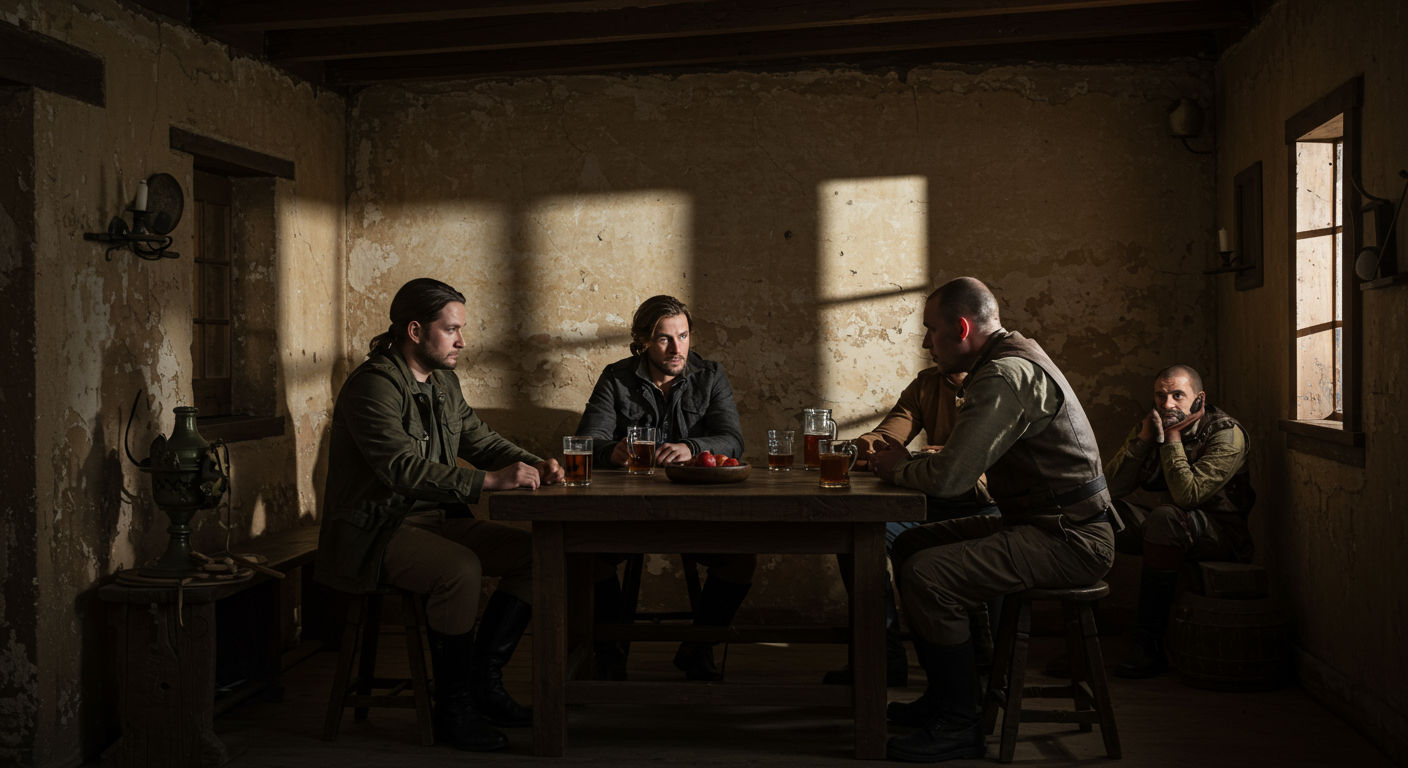
Every expat community has them—those whispered tales shared in dimly lit bars, hostel common rooms, or during late-night walks through unfamiliar streets. Ghost stories that surface after midnight, when rational thought gives way to something more primal, more open to the inexplicable.
These aren't just idle entertainment. They're cultural artifacts, passed down through generations of travelers who found themselves far from home when the clock struck twelve and the world transformed around them.
When the Clock Strikes Twelve: Why Midnight Stories Matter
Midnight holds universal significance as the boundary between worlds—the witching hour when spirits roam free and the veil between reality and the supernatural grows thin. This cultural programming runs deep, shaping how travelers experience foreign environments during late-night hours.
Travel exhaustion compounds this effect. After long flights, culture shock, and the constant mental energy required to navigate unfamiliar surroundings, travelers often find themselves in heightened psychological states. The familiar anchors of home vanish, replaced by strange sounds, unfamiliar architecture, and the disorienting experience of being perpetually out of place.
Expat communities naturally become collectors of these experiences. Long-term residents serve as repositories of local supernatural folklore, while newcomers arrive with fresh encounters to add to the collective narrative. The stories create bonds, offering shared experiences that transcend cultural boundaries.
Haunted Hostels and Restless Hotels
Nowhere are midnight ghost stories more prevalent than in the accommodations housing weary travelers. European castle hotels, with centuries of history embedded in stone walls, seem almost obligated to harbor restless spirits. Guests report footsteps in empty corridors, doors opening without cause, and the sensation of being watched from darkened corners.
Asian guesthouses offer their own supernatural encounters. Traditional architecture, emphasizing harmony between the living and ancestral worlds, creates spaces where past and present coexist. Travelers describe figures in traditional dress who vanish when approached, or rooms that shift in temperature without explanation.
The shared bathroom at 3 AM becomes a particular focal point. Familiar during daylight, these spaces transform after midnight into something altogether more sinister. Mirrors reflect movement where none should exist, faucets turn on independently, and shadows seem to move with purpose rather than chance.
These stories find permanent homes in hostel guest books and online travel forums, creating an informal archive of supernatural encounters spanning decades and continents.
Streets After Dark: Urban Legends Come Alive
Late-night navigation through foreign cities reveals layers of history invisible during daylight. Historic districts bustling with tourists during the day become maze-like and mysterious after midnight, when modern lighting fails to penetrate shadows that have lingered for centuries.
The phantom hitchhiker appears in virtually every culture with local variations. In rural Ireland, she's a woman in white seeking passage to a crossroads that no longer exists. In Southeast Asia, she might be a young woman in traditional dress, forever seeking return to a village destroyed decades ago. The details change, but the core narrative remains remarkably consistent across cultures.
Modern technology adds new dimensions to ancient stories. GPS systems guide travelers down streets that shouldn't exist, or fail entirely in areas where ancient pathways once ran. Travelers report finding themselves on routes that seem to exist outside normal geography, only to emerge blocks away from where logic suggests they should be.
Cultural Bridges: Learning Through Local Legends
Ghost stories serve as informal cultural education, offering insights into local values, historical events, and social structures that formal guidebooks rarely capture. Asian concepts of hungry ghosts teach expats about ancestral reverence and proper burial rituals. European tales of restless spirits often carry lessons about historical injustices or unfinished business spanning generations.
Regional variations reveal deeper cultural differences. Asian supernatural encounters often involve spirits seeking resolution or proper recognition, reflecting cultural emphasis on harmony and respect for ancestors. European ghost stories frequently center on tragedy or wrongdoing, carrying moral weight about justice and redemption.
Local guides and longtime expat residents play crucial roles in story transmission, serving as cultural bridges between newcomers and established supernatural folklore. These individuals understand both local context and the expat perspective, translating encounters in ways that resonate with foreign sensibilities while respecting local traditions.
The Science Behind Supernatural Travel
Modern psychology and physiology offer insights into why travelers seem particularly susceptible to supernatural experiences. Jet lag disrupts circadian rhythms, creating altered states of consciousness that make unusual perceptions more likely. Culture shock heightens awareness and anxiety, priming the mind to interpret ambiguous stimuli as threatening or mysterious.
Environmental factors in older buildings contribute to these experiences. Electromagnetic fields from aging electrical systems, infrasound from wind patterns around historic architecture, and the power of suggestion in spaces known for supernatural encounters all shape perception.
Individual susceptibility varies significantly. Travelers who are naturally imaginative, culturally open, or psychologically flexible tend to report more supernatural encounters. Those experiencing high stress, significant life transitions, or deep cultural immersion also show increased likelihood of paranormal experiences.
Building Your Own Collection
Engaging respectfully with local ghost story traditions requires understanding cultural context and approaching supernatural folklore with appropriate reverence. Some stories carry deep spiritual significance and shouldn't be treated as mere entertainment. Others serve important social functions, preserving historical memory or teaching cultural values.
Creating connections through shared supernatural experiences builds bridges between expat and local communities. These stories provide common ground, demonstrating universal human experiences with mystery and the unknown. They offer conversation starters that transcend language barriers and cultural differences.
The ethics of retelling and preserving travel ghost stories require careful consideration. Respect for local beliefs, accurate representation of cultural context, and acknowledgment of sources help ensure that supernatural folklore continues serving its traditional functions while adapting to modern global communities.
As expat communities continue growing and evolving, these midnight tales serve as cultural anchors—connecting travelers to the deeper mysteries of their adopted homes while preserving the universal human experience of encountering the inexplicable in foreign lands. They remind us that no matter how far we travel or how modern our world becomes, some aspects of human experience remain gloriously mysterious.