The Ghost Stories Travelers Hear After Midnight
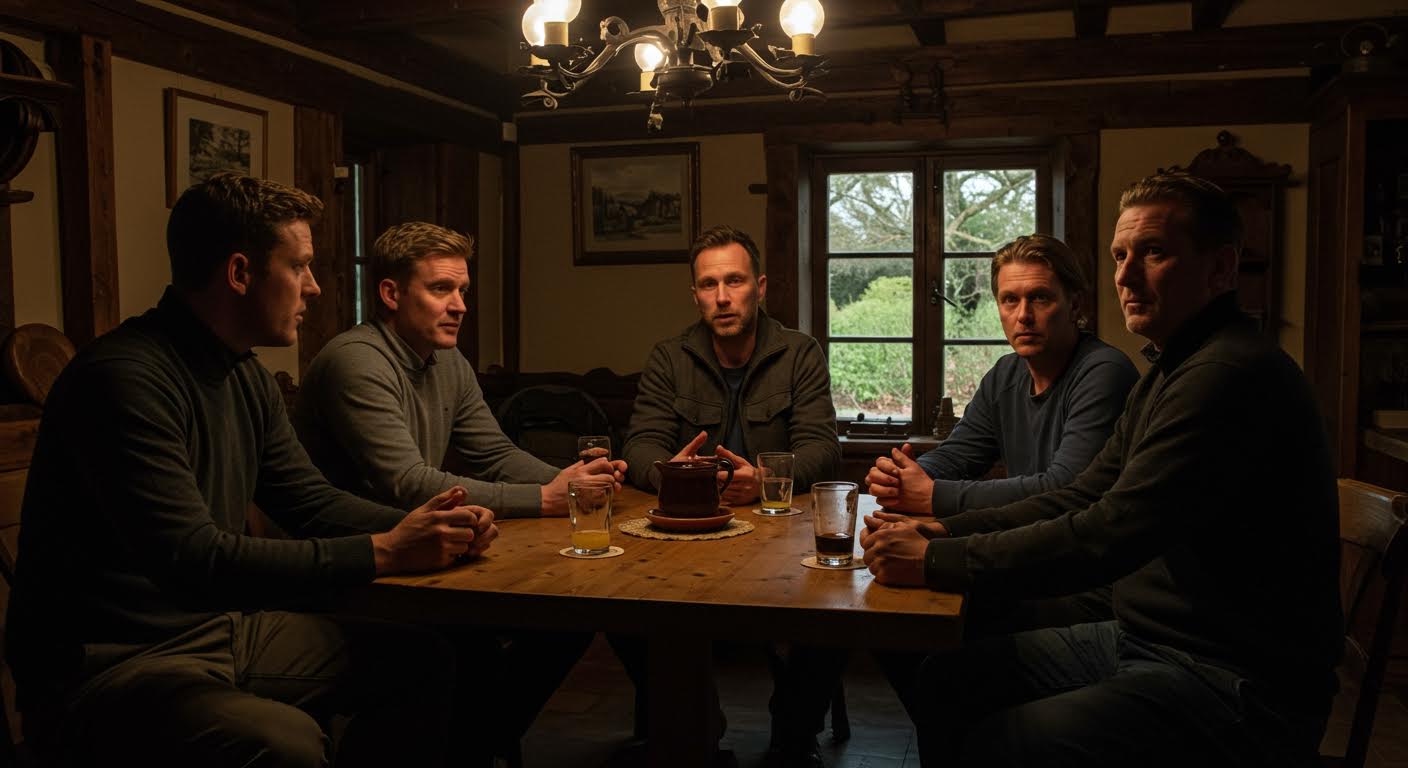
There's something about traveling that makes us more open to the supernatural. Maybe it's the jet lag blurring the line between waking and dreaming, or unfamiliar landscapes where every shadow seems significant. Whatever the reason, midnight holds special power for travelers—it's when the ghost stories begin.
When the Clock Strikes Midnight: Why Travelers See Ghosts
Late-night travelers are vulnerable in both body and mind. Exhausted from long journeys, disoriented by time zones, and surrounded by foreign sounds and smells, our minds become fertile ground for the unexplained. Darkness transforms familiar daytime streets into mysterious corridors where anything might emerge from the shadows.
This emotional cocktail—excitement mixed with anxiety—creates perfect conditions for supernatural encounters. When we're already on edge navigating foreign customs and languages, our perception sharpens, picking up details we'd normally dismiss. Old floorboards creaking in a centuries-old hotel become footsteps; wind whistling through unfamiliar architecture becomes voices from another time.
Haunted Accommodations: Tales from Historic Hotels and Hostels
Prague's medieval hotels seem particularly good at collecting ghost stories. Travelers regularly report encounters with figures in period dress wandering corridors after midnight—former guests, perhaps, who found the accommodations so charming they decided to extend their stay indefinitely. These apparitions are rarely threatening; they're usually described as melancholy figures carrying centuries-old sorrows.
Backpacker hostels, despite their modern, communal vibe, create their own supernatural folklore. In converted historical buildings across Europe and Asia, young travelers share stories of bunk beds creaking with invisible occupants and bathroom mirrors reflecting faces that aren't quite right. The constant flow of strangers arriving and departing seems to create a liminal space where past and present blur together.
Colonial-era guesthouses throughout Southeast Asia carry particularly rich ghost lore. These buildings—often converted from private homes or administrative offices—retain emotional imprints of their complex histories. Travelers report encounters with figures in both Western colonial dress and traditional local attire, as if the spiritual realm reflects the cultural tensions that once played out in these spaces.
Spectral Commutes: Ghost Encounters on Night Transportation
The overnight train journey holds a special place in traveler ghost lore. The rhythmic clacking of wheels, gentle swaying carriages, and dreamlike progression through darkened landscapes create an almost hypnotic state. In this space between sleeping and waking, passengers report encounters with fellow travelers who aren't quite what they seem.
These phantom passengers appear perfectly ordinary—until they vanish between stations, leaving only a faint presence and sometimes lingering scents of old-fashioned cologne or tobacco. Railway staff often nod knowingly rather than expressing surprise, as if such encounters are simply part of the overnight journey experience.
Airport terminals, with their 24-hour fluorescent lighting and constant human traffic, generate their own supernatural encounters. Delayed passengers waiting through night hours report glimpses of figures in outdated clothing, as if spirits from aviation's earlier eras still haunt departure lounges, eternally waiting for flights that will never arrive.
Night buses winding through remote landscapes offer perhaps the most atmospheric setting for ghostly encounters. As vehicles carry sleeping passengers through darkened countryside, some wake to glimpse figures standing at remote roadside stops—figures that watch the bus pass but never board, no matter how many times the same route is traveled.
Sacred Sites After Dark: When Ancient Places Come Alive
Ancient temples and sacred sites transform dramatically after sunset. Tourist crowds disperse, vendors pack up their stalls, and these spaces return to something closer to their original purpose. During these quiet hours, travelers report encounters with what local traditions often describe as guardian spirits—entities watching over sacred places long after original worshippers have passed into history.
Historic cemeteries like Paris's Père Lachaise or London's Highgate become pilgrimage sites for those interested in literary and artistic history. Night visitors often report feeling observed, as if notable figures buried there maintain interest in those who come to pay respects.
Castle ruins across Europe provide dramatic backdrops for supernatural encounters. These ancient fortifications, often perched on isolated hills and partially reclaimed by nature, seem suspended between past and present. Travelers camping nearby or exploring during late evening hours describe sounds of medieval life echoing from empty courtyards—clatter of horses' hooves on cobblestones, distant voices calling in long-dead languages.
Sacred sites significant to indigenous cultures require particular sensitivity, but travelers who approach these places with respect often witness phenomena that local traditions readily explain. Aboriginal Australians speak of ancestor spirits continuing to inhabit significant landscape features, and respectful visitors sometimes report sensing these ancient presences during quiet moments of dawn or dusk.
Cultural Ghost Lore: How Local Beliefs Shape Traveler Experiences
Japanese ghost traditions, with their rich taxonomy of spiritual entities, provide fascinating frameworks for understanding supernatural encounters. The concept of yurei—spirits bound to earthly realms by strong emotions—helps explain many traveler experiences in Japan's historic districts. Foreign visitors often report encounters perfectly matching traditional descriptions of these entities, even without prior knowledge of Japanese supernatural beliefs.
Latin American folklore, blending indigenous, African, and European spiritual traditions, creates particularly rich environments for supernatural encounters. Backpackers traveling through Mexico, Guatemala, and Peru often find their ghost stories incorporating elements reflecting local beliefs about death, remembrance, and ancestors' continuing presence in daily life.
European castle legends have become so intertwined with travel culture they've created their own supernatural tourism genre. Ghost stories associated with places like Edinburgh Castle or Germany's medieval fortresses pass between travelers like cultural currency, each visitor adding their interpretation to centuries-old tales.
Understanding local ghost culture enriches rather than diminishes these experiences. When travelers learn about regional supernatural beliefs, their encounters often become more meaningful—part of cultural exchange transcending tourism's purely material aspects.
The Digital Age Ghost Story: How Modern Travelers Share Supernatural Tales
Social media has transformed how ghost stories spread among travelers. Instagram posts tagged with mysterious hashtags create digital ghost maps, while TikTok videos claiming to capture supernatural phenomena go viral among young travelers. These platforms create new forms of supernatural folklore that spread faster and further than traditional oral storytelling ever could.
Travel forums and backpacker websites host ongoing conversations about haunted accommodations and supernatural hotspots. These digital campfires allow travelers to share experiences, compare encounters, and build collective narratives around specific locations. Unlike traditional folklore, these stories can be fact-checked, cross-referenced, and documented with photos and videos.
Surprisingly, GPS technology and smartphones have added new dimensions to supernatural encounters rather than diminishing them. Travelers report navigation apps behaving strangely near historically significant sites, leading them down streets that don't appear on maps, or directing them to locations existing only in historical records.
The tradition of sharing ghost stories continues in hostels, late-night cafes, and wherever travelers gather. But now these conversations are supplemented by immediate internet searches, photo sharing, and the ability to connect experiences with global databases of supernatural encounters. Ghost stories haven't disappeared—they've simply evolved to embrace digital age tools.
Perhaps what makes traveler ghost stories so compelling is that they represent more than simple supernatural encounters. They're expressions of our desire to connect with deeper histories of places we visit, to experience something beyond superficial tourist attractions. In seeking ghost stories, travelers really seek the soul of a place—accumulated human experiences that make locations more than mere geography.
Whether these encounters represent genuine supernatural phenomena or creative interpretation of unfamiliar stimuli matters less than their role in creating meaningful travel experiences. The ghost stories travelers hear after midnight become part of their personal folklore, tales they'll carry forward and share, contributing to the ever-growing collection of supernatural travel lore that enriches our understanding of the mysterious world we explore.