The Funniest Cultural Mistake I Ever Made
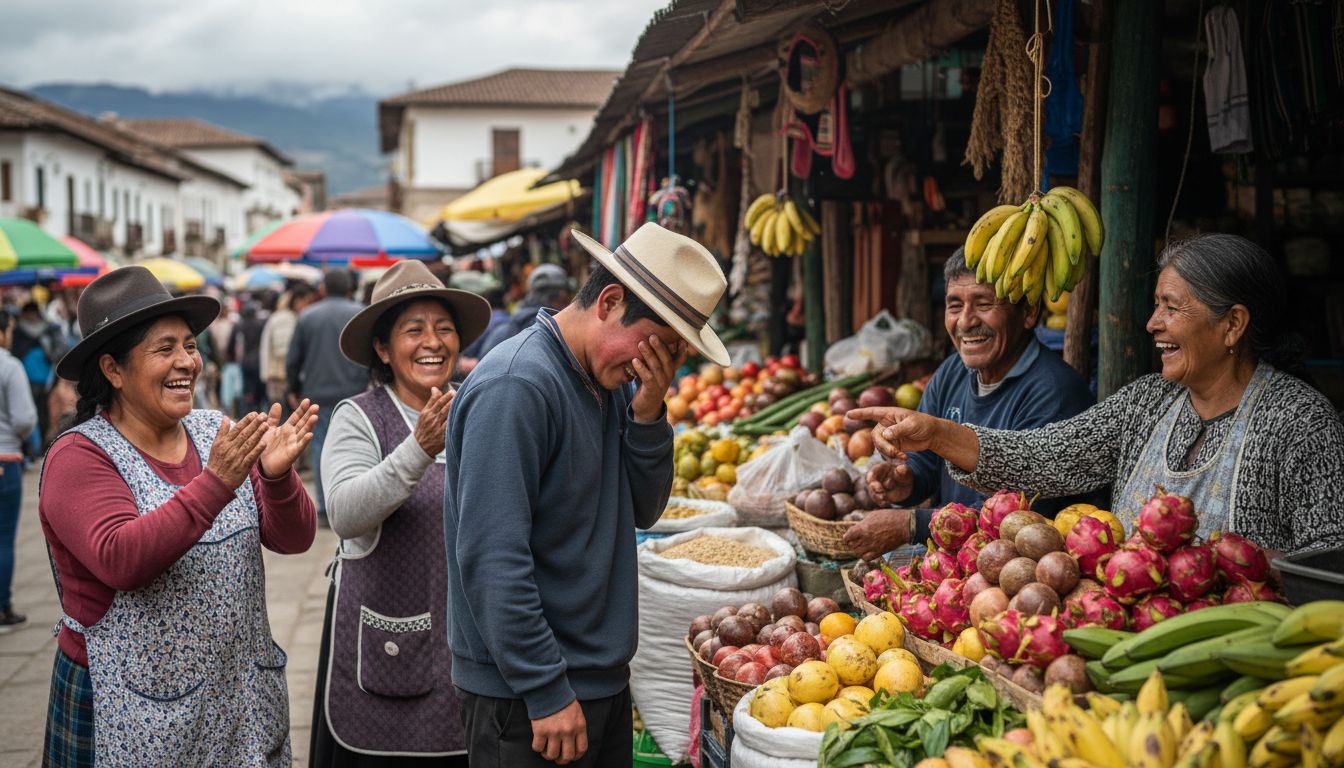
I had been in Cuenca for exactly nine days when I decided I had basically figured the place out. Nine days. I knew where to buy bread, I could say buenos días without stumbling, and I had already developed what I believed was a charming rapport with the woman who sold strawberries near my apartment. In my mind, I was practically a local. In reality, I was a walking cautionary tale who simply hadn’t had my moment yet.
The morning in question was bright and a little cool, the kind of Andean morning where the sun hasn’t quite decided whether it’s going to commit. The market near El Vado was already humming — wooden crates stacked with tree tomatoes, the smell of fresh cilantro, vendors calling out prices in a rhythm I hadn’t learned to follow yet. I felt, for the first time since arriving, genuinely confident. That confidence, I would soon learn, is exactly the emotion that precedes disaster.
The Moment It All Went Wrong
I had read, somewhere in the fog of pre-departure research, that a firm handshake was a respectful way to greet someone in a business transaction. So when the fruit vendor I’d been chatting with for several mornings handed me my bag of naranjillas, I decided to seal our blossoming friendship with what I imagined was a warm, confident gesture of goodwill: I reached out, grabbed her hand with both of mine, pumped it enthusiastically, and said, with far too much gusto, “¡Un placer de negocios!” — which I was certain translated to something like “a pleasure doing business.”
In my head, this was smooth. Charming, even. I pictured her smiling, perhaps mentioning to her family later that the funny foreigner had finally learned some manners. What actually happened was that her eyebrows shot up, she let out a startled laugh, and the two women at the neighboring stall turned to watch, clearly delighted that something interesting was finally happening at seven in the morning.
The Reaction: Confusion, Horror, and Laughter
There was a pause. Not a long one, but long enough for my stomach to begin its slow descent toward my shoes. The vendor, still holding my hand in that overly enthusiastic double-handed grip I had not yet released, tilted her head and asked, “¿Negocios? ¿Qué negocios?” What business, exactly?
It was only then, watching her try not to laugh while simultaneously trying to figure out whether I was proposing some kind of formal trade agreement over a bag of citrus fruit, that I realized the handshake — the overly formal, vigorous, two-handed handshake — was not remotely how anyone greeted a fruit vendor they’d been politely chatting with for a week. A simple nod, a smile, maybe a “gracias, que esté bien,” would have sufficed. Instead, I had turned a produce purchase into what apparently looked like the opening scene of a corporate merger.
By this point, the neighboring vendor was laughing openly, and mine had dissolved into the kind of generous, good-natured laughter that somehow made the whole thing worse and better at the same time. “Ay, gringo,” she said, shaking her head, still smiling, “eres muy formal para comprar naranjillas.” You’re very formal for buying naranjillas.
Unpacking the Misunderstanding
What I hadn’t understood, and what took an embarrassingly long conversation with my Spanish tutor to fully unpack, was that the warmth I’d been building with this vendor over the past week was already a form of relationship — casual, friendly, built on small talk and familiarity rather than formality. My handshake and formal phrasing didn’t read as respectful; they read as oddly distant, almost as if I were meeting her for the first time after weeks of friendly chatting, or worse, as if I thought our daily exchange was some kind of contractual arrangement rather than the easy, human rapport it actually was.
Where I came from, a firm handshake signaled seriousness and respect, especially in anything resembling a transaction. But in this context, among people I was quietly building a relationship with each morning, that gesture clashed badly with the relaxed, familiar tone we had already established. The mismatch wasn’t about rudeness; it was about reading the room, or in this case, the market stall, and recognizing that the kind of respect I wanted to convey already existed in our easy back-and-forth. I simply hadn’t trusted that yet.
The Takeaway: What the Mistake Taught Me
Looking back, that ridiculous, over-enthusiastic handshake taught me more about adjusting to life here than any guidebook or orientation session ever could. It taught me that cultural fluency isn’t about memorizing the “correct” gesture for every situation; it’s about paying attention to the relationships already forming in front of you and trusting them enough to relax into them.
It also taught me, somewhat humbling, that I was not nearly as adapted as I thought after nine confident days. Real adjustment came slowly, through dozens of small, occasionally mortifying moments like this one, each chipping away at my assumptions until something more honest and more local took their place.
These days, when I buy naranjillas from that same vendor, our greeting is simple: a smile, a quick “buenos días,” maybe a comment about the weather. No handshake. No declarations of business partnership. Just two people who have figured out, in our own clumsy way, how to be friendly neighbors. Though every so often, she’ll catch my eye while handing me my bag, extend her hand with exaggerated formality, and say with a grin, “¿Un placer de negocios?” — and we both laugh, every single time.