The Dog That Stayed Behind When I Left
The Dog That Stayed Behind When I Left
The Decision I Didn't Want to Make
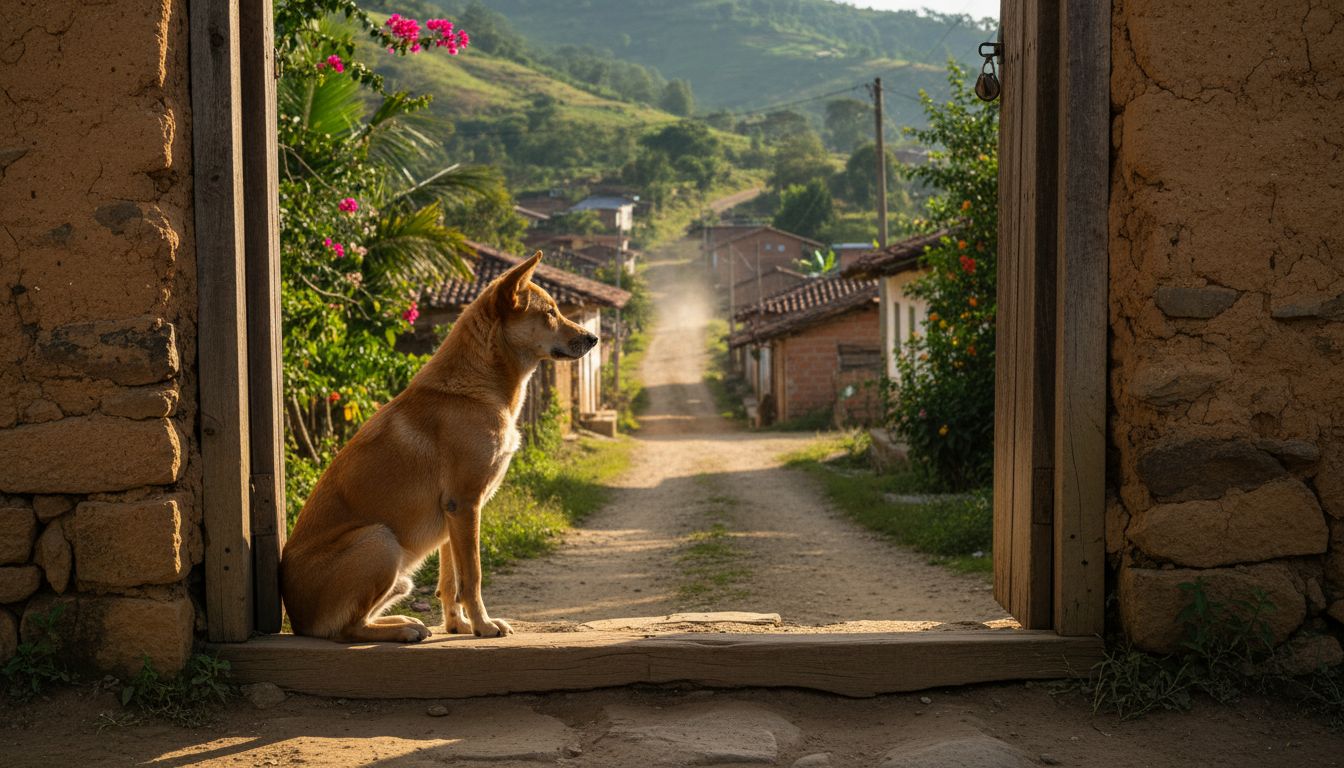
There was a six-week window between the job offer and the flight, and somewhere inside that window, I had to decide what would happen to Milo. I didn't realize, when I accepted the position, that the hardest part of leaving wouldn't be the paperwork or the packing. It would be him — a scruffy, sand-colored mutt with one ear that never stood up right, who had slept against my shins every night for seven years.
Milo wasn't a pet in the abstract sense. He was the one who waited by the door during the worst year of my life and never once seemed to mind that I had nothing to offer him some days but a hand on his head. He had a personality people remembered — stubborn about rain, suspicious of vacuum cleaners, endlessly patient with children. Deciding what to do with him felt less like a logistics problem and more like a betrayal I hadn't committed yet.
I didn't tell anyone right away how torn I was. It was easier to let people assume the hard part of moving abroad was visas and shipping containers. I let them believe that, for a while.
Why Leaving Him Felt Like the Only Option
The research started reasonably enough. International pet transport, I learned quickly, is not a simple errand. Airline cargo restrictions, breed-specific bans, mandatory quarantine periods, and health certificates with expiration windows measured in days rather than weeks — the system seemed designed to discourage exactly what I was trying to do. Costs climbed into the thousands once I factored in crates, vet documentation, and country-specific import permits.
Even if the money had been manageable, the destination made it harder. I was moving into a small furnished apartment with a no-pets clause and an uncertain timeline before I'd know whether the move was permanent. Bringing a dog into that kind of instability felt selfish in a different direction — solving my guilt at the expense of his comfort.
I want to be honest: there is a particular, quiet guilt in realizing that a major life decision and a dog's wellbeing have been placed on the same scale, and that the scale tipped away from him. No one prepares you for how small that moment feels, weighing a creature who trusts you completely against an opportunity you've spent years wanting.
The Last Days Together
The last two weeks are the ones I remember in fragments rather than a timeline. The smell of the shampoo I used on him the night before I started showing him to prospective new owners. The specific weight of him leaning into my leg while I sat on the kitchen floor, not for any reason, just existing together in a space that was about to stop being mine.
Small rituals became unbearably significant. Our evening walk, which had been routine for years, turned into something I tried to memorize — the route, the way he'd pause at the same fence to sniff, the exact moment he'd start trotting faster because he knew we were close to home. I didn't tell him why I was paying such close attention. I'm not sure what I would have said if I could have.
Finding him a new home was its own negotiation, equal parts relief and heartbreak. A friend of a friend — someone with a yard, a flexible schedule, and an obvious fondness for dogs — agreed to take him. I spent an afternoon writing out his routines, his quirks, the brand of food he preferred, as if a list could transfer seven years of understanding to someone meeting him for the first time.
Leaving Without Him
The morning I left, I didn't bring him to the airport. We said goodbye at the house, which in hindsight was the right call, though it didn't feel that way at the time. He sat by the door the way he always did when he sensed a departure, and I remember crouching down and not having any words that felt adequate, so I just said his name a few times.
The silence afterward was its own kind of loss — not the frantic sadness of an airport scene, but something quieter and more persistent. I sat on the plane thinking about the apartment I was heading toward, the job, the new city, and none of it registered the way I expected. Mostly I thought about an empty leash hook by a door I no longer lived behind.
Expat life comes with an expected inventory of losses — friends, routines, the comfort of a language you don't have to think in. Those losses get talked about openly; they're part of the narrative people expect when you move abroad. Losing a dog you chose not to bring didn't fit that narrative as easily. It felt smaller to say out loud, even though it didn't feel smaller to carry.
Carrying Him With Me Anyway
Milo shows up in unexpected ways months into this new life. A certain shade of golden light in the evening. The sound of nails on hardwood in someone else's apartment upstairs. I've woken up more than once from a dream where he's simply there, unremarkable, as if none of this ever happened.
The updates from his new family come occasionally — a photo here, a quick message there — and the gaps between them say as much as the updates themselves. I've learned to sit with not knowing exactly how he's adjusting, whether he still waits by doors, whether he's forgotten the sound of my voice or simply folded it into a life that doesn't need it anymore.
I still don't know, with any certainty, whether leaving him was the right decision. I've stopped expecting that certainty to arrive. What I've learned instead is how to live alongside the question without needing to resolve it — a skill, it turns out, that expat life demands of you in more ways than one.
What He Taught Me About Home
There's a version of the expat story that focuses entirely on what you gain — new perspectives, new opportunities, a broadened sense of the world. That version is true, but incomplete. What I've come to understand is that identity abroad is built as much from what you leave behind as what you accumulate. The absences shape you as distinctly as the new experiences do.
Milo taught me that attachment doesn't ask permission before it embeds itself in your sense of home, and that leaving pieces of that home behind doesn't resolve itself into something tidy just because time passes. Some losses simply travel with you, folded into the ordinary texture of a new life, resurfacing in a patch of evening light or the sound of a stranger's dog down the street.
I don't know if he thinks of me. I'd like to believe that somewhere, in whatever way a dog holds memory, he does. Either way, he's still here, in the quiet corners of a life he never saw — proof that home isn't only the place you build, but also everything you couldn't bring with you when you built it.