The Dog That Stayed Behind When I Left
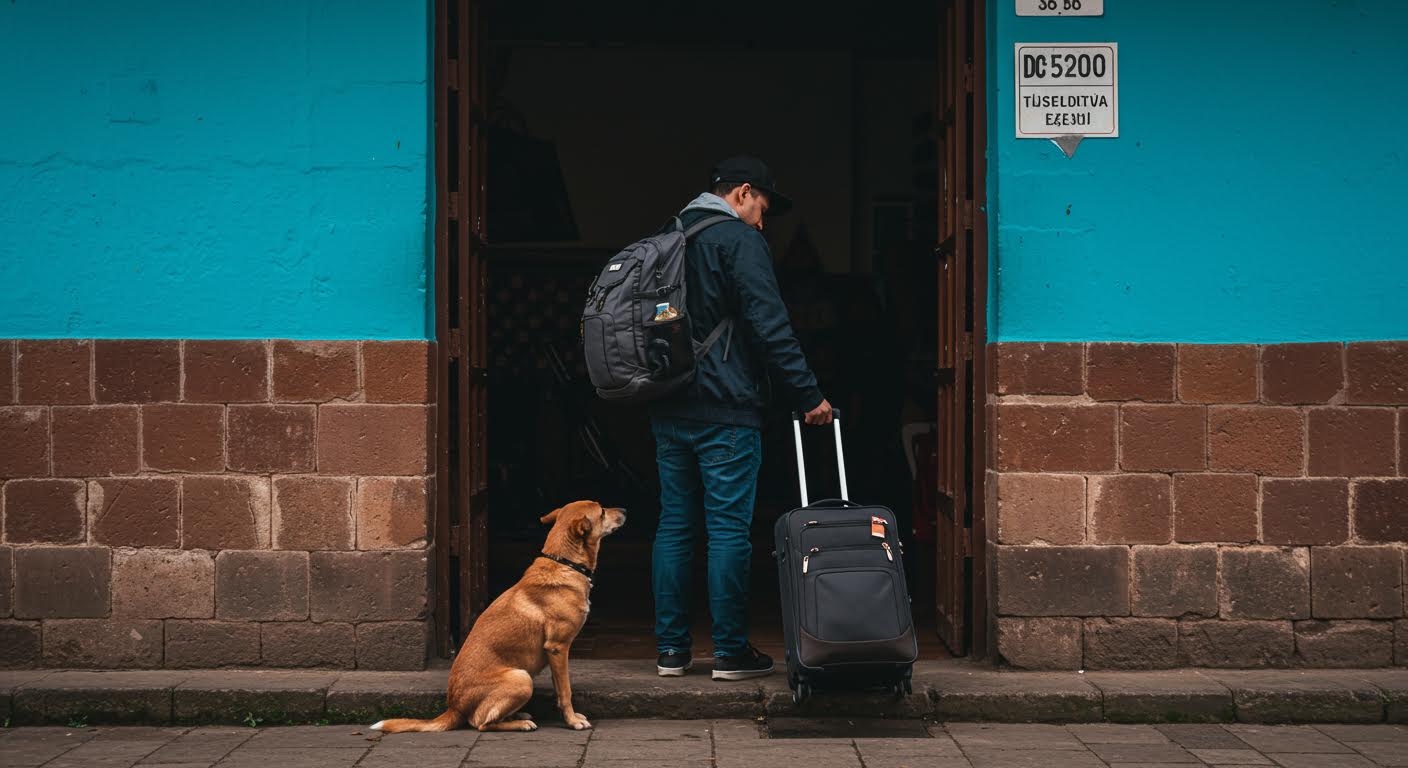
The email arrived on a Tuesday morning, sandwiched between spam and newsletters I'd forgotten to unsubscribe from. Three sentences that would uproot my entire life: job offer, six-month timeline, relocation to Singapore. As I read those words, my Golden Retriever Max looked up from his favorite spot by the window, tail wagging at my sudden attention. He had no idea that this moment would change both our lives forever.
Every expat dreams of that career-defining opportunity, but what they don't prepare you for in those glossy relocation packages is the impossible choice that often comes with it. For pet owners, international moves aren't just about packing boxes and finding new apartments—they're about deciding whether the family member with four legs and unconditional love can make the journey too.
When Love Meets Logistics
The research phase felt like a cruel joke. Each website I visited painted a grimmer picture: $8,000 minimum for international pet transport, six-month quarantine periods, breed restrictions, age limits, and health certifications that read like a medical textbook. Max was twelve—not ancient, but old enough that the stress of a 20-hour flight and months in isolation seemed less like an adventure and more like cruelty.
I called veterinarians, pet relocation services, and other expats who'd made similar moves. The advice was consistent and heartbreaking: sometimes love means letting go. The logistics weren't just expensive—they were potentially dangerous for an older dog who'd never been comfortable in carriers, who stressed during thunderstorms, who found comfort in familiar routines that would be shattered by international relocation.
The numbers didn't lie, but they also couldn't account for the way Max greeted me every evening, or how he'd rest his head on my laptop when I worked too late. Spreadsheets can calculate quarantine costs, but they can't measure the weight of twelve years of companionship.
Finding the Right Goodbye
Once I accepted that Max wouldn't be joining me, the search for his new family became my obsession. I created a profile that read more like a dating biography than a pet rehoming listing: "Max loves morning walks, afternoon naps in sunbeams, and has strong opinions about mailmen. Seeking patient humans who appreciate a distinguished gentleman with graying whiskers and infinite wisdom."
The interviews were intense. I grilled potential adopters about their work schedules, yard sizes, and experience with senior dogs. Sarah and Tom, a couple in their fifties whose own Golden had passed the year before, seemed too perfect. They had the time, the space, and most importantly, they understood that adopting Max meant honoring the life he'd already lived, not trying to reshape him into a different dog.
Those final weeks became a masterclass in making memories. Extra-long walks, daily puppuccinos, and far too many table scraps that would have horrified his veterinarian. I took photos obsessively, trying to capture the way his ears perked up during squirrel alerts and how he somehow managed to take up three-quarters of my queen-size bed.
The Day I Left My Heart Behind
Our last morning followed the same routine we'd perfected over twelve years: coffee for me, breakfast for Max, a walk around the neighborhood where he'd sniffed every tree and befriended every dog walker. Except this time, I memorized everything—the way he paused at his favorite fire hydrant, how he automatically sat at crosswalks, the satisfied grunt he made when settling back onto his bed afterward.
Sarah and Tom arrived at noon. Max, ever the social butterfly, greeted them with his usual enthusiasm, oblivious to the significance of their visit. The handover was clinical in its efficiency—food, toys, medical records, a three-page document detailing his quirks and preferences. But when it came time to walk away, efficiency abandoned me entirely.
The airport was a blur of tears and tissues. Other travelers probably assumed I was leaving family behind, which wasn't wrong. The empty pet carrier I'd optimistically purchased months earlier sat in my closet, a $200 reminder of the path not taken. Boarding that Singapore Airlines flight felt like stepping into a life that was simultaneously everything I'd worked toward and nothing I recognized.
Living with the Choice
The first photo arrived three days after I landed. Max, sprawling across Sarah and Tom's couch like he owned it, which knowing him, he probably already did. The updates became weekly treasures: Max discovering their larger backyard, Max charming the local dog park, Max training his new humans to serve dinner at precisely 5 PM.
Adjusting to expat life is challenging under normal circumstances, but grief makes everything harder. Singapore's efficient beauty and endless opportunities felt hollow without someone to share them with. I caught myself buying dog treats before remembering my refrigerator no longer needed to accommodate a food-motivated Golden Retriever with expensive taste in organic kibble.
The guilt arrived in waves, usually triggered by simple moments—couples walking their dogs past my new apartment, pet supply stores that Max would have insisted on investigating, or rainy afternoons when I instinctively looked for a warm, furry presence on the couch. Had I been selfish? Could we have made it work? Would he have been happier struggling through relocation than thriving in his new home?
But relief came too, especially as Sarah's updates showed Max settling into routines that looked remarkably like happiness. He had a yard to patrol, humans who appreciated his dignified approach to fetch, and apparently, a newfound interest in afternoon naps that stretched well into evening. Maybe, I began to think, love sometimes looks like choosing their happiness over your comfort.
For Other Expats Facing This Choice
Two years later, I can offer perspective that was impossible in those first raw months. Some pets absolutely should make international moves—young, healthy animals who travel well and whose humans can provide stability throughout the transition. But for others, especially senior pets or those with health concerns, staying behind with loving families might be the kindest choice.
The decision ultimately comes down to honest assessment: are you relocating your pet for their benefit or your comfort? Can you provide them with a better life abroad, or are you asking them to endure hardship so you don't have to endure heartbreak?
For expats wrestling with this choice, resources exist. International pet relocation services can provide realistic timelines and costs. Veterinarians can assess whether your pet is physically and emotionally suited for international travel. Most importantly, other expat pet owners who've navigated similar decisions are often willing to share their experiences, both successful relocations and peaceful separations.
Max is fourteen now, still ruling Sarah and Tom's household with the gentle authority of a dog who knows he's loved. I visit when work brings me back to the States, and our reunions are joyful but brief—he remembers me, but his home is clearly elsewhere. Watching him lumber contentedly around his yard, I know we made the right choice, even if it wasn't the easy one.
The healing comes slowly, measured not in days or months but in the gradual understanding that love isn't always about keeping close—sometimes it's about letting go gracefully. Max taught me that lesson one last time, even from three thousand miles away.