The Dog That Chose Me, Not the Other Way Around
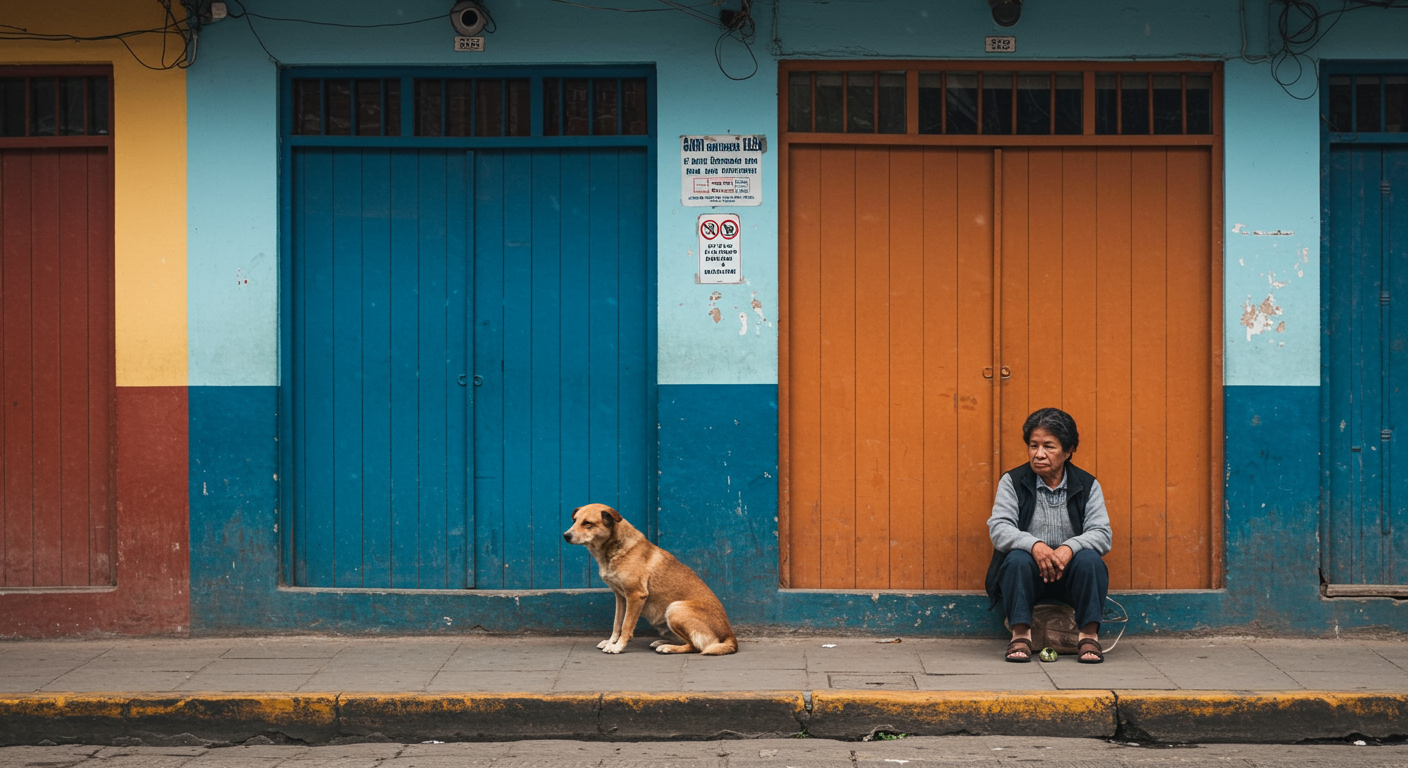
I was not looking for a dog. At that point in my life, I was trying to keep everything portable: my routines, my expectations, even my attachments. Living abroad had taught me to travel lightly, emotionally as much as materially. You learn to call a place home while quietly reminding yourself that you may not stay forever.
My days were organized around practical things: coffee in the morning, errands in the afternoon, long walks through streets I was still learning to recognize by instinct instead of memory. I liked the freedom of that life. If a dog had ever entered the picture, I assumed it would happen the proper way, after thought and planning, after asking the right questions about time, money, housing, travel, and responsibility.
That was the story I told myself, anyway.
The First Time He Acted Like I Already Belonged to Him
The first time I noticed him, he was waiting near the same stretch of sidewalk I passed often, as if he had placed himself there on purpose. He was not dramatic about it. No frantic barking, no desperate scramble for attention. He simply looked at me with the calm confidence of someone who had already made up his mind.
When I slowed down, he stood, stretched, and fell into step beside me as naturally as if we had done it a hundred times before. Every now and then he glanced up, not exactly to ask permission, but to make sure I understood the arrangement. His paws tapped lightly against the pavement. His ears lifted at familiar sounds. Once, when I stopped, he stopped too and sat close enough for his shoulder to touch my leg for one brief second before he looked away again.
It did not feel like a random encounter. Plenty of dogs are friendly. Plenty of animals approach strangers. But this felt strangely specific, as if he had sorted through the world and landed on me.
The Small Returns That Became a Pattern
After that, I began seeing him everywhere, or at least everywhere that had started to matter in my daily orbit. He would appear near the bakery, then outside the small store where I bought fruit, then at the corner where the afternoon light always hit the cobblestones in a warm gold strip. At first I told myself it was coincidence.
Then I noticed the pattern.
He was waiting for me at the same times. If other people called to him, he might acknowledge them politely, but his attention drifted back to me. If I sat on a bench, he settled underneath it. If I paused to look in a shop window, he positioned himself nearby with the patience of someone accustomed to my habits. He never demanded anything. He just returned.
There is something persuasive about being chosen repeatedly. Not in one grand moment, but in small, ordinary ways that begin to accumulate. A dog appears once, and it is charming. A dog appears again and again, and eventually you have to admit that a relationship is forming whether or not you ever authorized it.
I started carrying a little water. Then a snack. Then I found myself adjusting my route because I knew where he might be waiting.
When I Understood This Was No Longer Temporary
The turning point was not cinematic. There was no storm, no dramatic rescue, no single instant that split life into before and after. It happened the way many real commitments happen: quietly, after enough evidence had gathered that pretending otherwise became ridiculous.
One evening I realized I was planning my day around him. Not out of obligation, not yet, but out of expectation. Had he eaten? Would he be there? If he was not, where had he gone? I knew the rhythm of his presence well enough that his absence suddenly felt wrong.
That realization brought resistance with it. I reminded myself of all the practical concerns. I was an expat. My life was still, in some ways, negotiable. Housing could change. Travel plans could arise. Freedom had been one of the terms under which I had built this version of my life, and freedom does not always pair neatly with devotion.
But daily life had already begun making the argument my mind was trying to avoid. This was no longer a passing tenderness. Affection had edged into responsibility. Whatever I had planned, reality was already rearranging itself around the fact that this dog and I now belonged to the same story.
How He Rearranged My Days
Once I stopped resisting the obvious, my routines changed quickly. Mornings began earlier. Walks became less about exercise and more about companionship. I paid attention to weather in a new way, to shade, to traffic, to whether the day felt too hot or too wet or too noisy for comfort. I learned where he liked to pause, where he became alert, which streets made him confident and which made him cautious.
And in the middle of all those adjustments, something in me settled.
That may be the hardest part to explain to anyone who has not lived far from where they began. Expat life can be rich and beautiful, but it can also leave you slightly unmoored. Even when you love a place, some part of you stays watchful, measuring distance, translating customs, keeping one foot ready to move. His presence interrupted that habit. He tied me to the day in front of me. He gave shape to my hours. He made routine feel less like repetition and more like belonging.
Home, I learned, is not always built from ownership or permanence. Sometimes it begins with recognition. Sometimes it begins with being expected.
Trust Was Built in Ordinary Moments
Trust did not arrive as a single feeling. It grew through repetition: through bowls filled and emptied, through the sound of his breathing nearby, through walks taken at the same pace often enough that we stopped negotiating and simply moved together.
He learned my moods too. On restless days he stayed closer. On quieter days he stretched out at a comfortable distance, content merely to be in the same room or the same patch of sun. If I stood up unexpectedly, his eyes followed me. If I returned, he relaxed again. There was nothing sentimental about it. Just attention, consistency, and the calm that comes from two beings gradually learning each other's patterns.
I adjusted to him, and he adjusted to me. That mutuality mattered. I never liked the language people sometimes use about rescue, as if love only moves in one direction. Whatever help I offered him, he returned in equal measure. He asked for food, care, and steadiness. In exchange, he gave me structure, presence, and a kind of uncomplicated loyalty that made the day feel more honest.
By the time he began sleeping nearby without hesitation, by the time he could rest fully in my presence, trust was no longer a question. It was visible in the smallest things.
It Was Never Really About Ownership
What stays with me most is not the paperwork of having a dog, or even the practical decisions that came later. It is the reversal at the center of the whole experience. I thought that if a dog ever entered my life, it would be because I had decided. I imagined myself as the chooser, the planner, the one in control of the terms.
But that is not what happened.
He chose first. He selected me through persistence, through quiet certainty, through the repeated act of returning. Whatever formal shape the relationship took afterward, emotionally the decision had already been made by him. I was simply slow to realize it.
That matters to me because being chosen carries a different weight than acquiring. It asks for a response rather than possession. It turns the relationship into something discovered instead of arranged. And for me, that made all the difference.
The Dog That Made a Foreign Place Feel Like Home
When I think back to that period now, I remember how determined I was to keep life manageable, flexible, and unencumbered. I remember those walks through unfamiliar streets, telling myself that attachment should always be intentional and controlled.
Then I remember the soft sound of paws falling into step beside me. The patient waiting. The unhurried confidence of a dog who seemed to know before I did that my life had room for him.
In the end, he did more than become part of my routine. He changed the emotional geography of the place around me. Streets became ours. Stops became habits. A foreign city became the setting of a shared life, and because of that, it felt less foreign. More lived in. More mine.
I did not go looking for a dog. I certainly did not expect to be claimed by one. But being chosen by him taught me something I had not understood when I was trying so hard to stay unattached: sometimes belonging begins the moment someone, or some animal, decides you are theirs.