The Dog That Chose Me, Not the Other Way Around
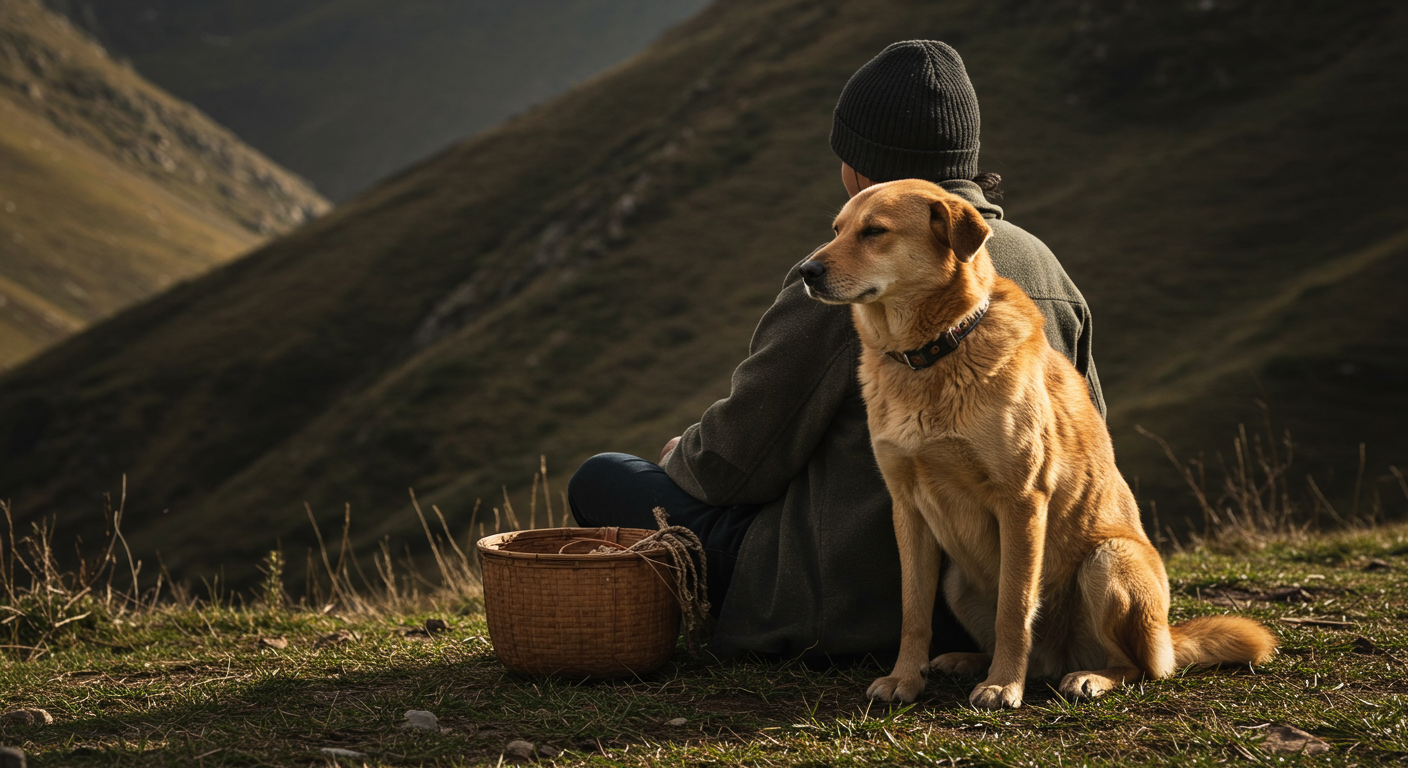
I never planned to become a dog owner while living abroad. In fact, I had carefully calculated my expat budget down to the last penny, factored in the uncertainties of temporary housing, and convinced myself that adding a pet to the equation would be nothing short of irresponsible. Life, however, had other plans—or rather, a scrappy brown mutt with mismatched ears had other plans.
The Unexpected Encounter
It was my third month in the country, and I was finally settling into a routine. My morning walks to the local market had become a comfortable ritual, a way to practice the language and feel somewhat integrated into my new neighborhood. That's when I first noticed him—a medium-sized dog with intelligent eyes, sitting by the same corner every day, watching passersby with what seemed like deliberate interest.
Unlike the other stray dogs I'd encountered, this one didn't beg or act desperately. He simply observed, tail wagging occasionally when someone made eye contact. I found myself looking for him each morning, offering a brief nod of acknowledgment that he seemed to appreciate with a gentle tail wag.
The turning point came during a particularly heavy rainstorm. As I hurried past his usual corner, umbrella fighting against the wind, I found him soaked and shivering under a narrow overhang. Something in his expression—patient, hopeful, but not demanding—made me stop. I couldn't just walk away.
That day, I brought him back to my small apartment "just until the storm passed." He walked beside me as if he'd been doing it his entire life, no leash needed, stopping when I stopped, turning when I turned. It was as if he had been waiting for this invitation all along.
When the Dog Decided
What struck me most was his behavior once inside. He didn't explore frantically or mark territory like I expected. Instead, he found a corner near the door, settled down, and watched me with those same intelligent eyes. It was clear he understood this was temporary—or at least, he was willing to accept whatever I decided.
I spent the next week trying to find his owners. I posted photos on local community boards, asked neighbors in my broken version of the local language, and even visited the nearest animal shelter. No one recognized him, and the shelter worker gently explained that strays were common and space was limited. The dog, meanwhile, had begun a subtle campaign of his own.
He started small: positioning himself by the door each morning when I prepared for my market walk, sitting patiently until I either invited him along or explained he needed to stay. He never pushed or whined, but his presence was a constant, gentle question mark in my daily routine.
The moment I realized I'd been chosen came during my first attempt to find him a different home. A colleague had expressed interest, and I brought the dog to meet her family. He was polite, well-behaved, and clearly a good dog—but he spent the entire visit looking toward the door, toward me. When it was time to leave, he followed me to the car without hesitation, leaving no doubt about his preference.
That night, as I wrestled with the practical implications of pet ownership in a foreign country, he settled beside my bed with a contented sigh that seemed to say: "We can figure out the details, but this decision has already been made."
Navigating Pet Ownership as an Expat
Accepting that I was now a dog owner—or perhaps, that a dog now owned me—opened up a whole new world of expat challenges I hadn't anticipated. The first hurdle was communication. Explaining symptoms to a veterinarian in a second language while a nervous dog pants beside you is an exercise in creative vocabulary and patient gesturing.
I learned new words faster than I had in any language class: vaccination schedules, heartworm prevention, and the local terms for "He seems to be limping on his left paw." The vet, amused by my linguistic struggles but impressed by my obvious dedication, became an unexpected ally in both pet care and language learning.
Cultural differences presented their own learning curve. In my home country, dogs were family members with their own beds, toys, and Instagram accounts. Here, attitudes varied widely. Some neighbors were charmed by my obviously spoiled companion, while others seemed puzzled by the level of care I provided to what they considered "just a street dog." These interactions taught me more about local values and social dynamics than months of casual observation had.
The bureaucratic side proved equally educational. Pet registration, import requirements for specific foods and medications, and understanding tenant rights regarding animals—each requirement sent me deeper into the practical realities of my adopted country's systems. My dog had inadvertently made me a more thorough and engaged expat resident.
Finding pet-friendly housing became my crash course in local rental markets and negotiation. I discovered that showing up with a well-behaved, clean dog often worked better than lengthy email explanations. My furry ambassador helped landlords see me as a responsible, settled tenant rather than a temporary foreign presence.
The Bond That Changed Everything
What began as reluctant acceptance evolved into something I hadn't expected: genuine partnership. During my most challenging expat moments—the days when language barriers felt insurmountable, when cultural misunderstandings left me feeling isolated, when homesickness hit hardest—my canine companion provided a steady, uncomplicated presence.
Dogs, I discovered, are excellent cultural ambassadors. Our daily walks became social opportunities I never would have had otherwise. Neighbors who had previously offered only polite nods began stopping to greet my friendly companion, leading to conversations that gradually expanded my local social circle. Children practiced their English with me while petting him, and elderly residents shared stories about their own beloved pets.
There were moments when the mutual rescue nature of our relationship became undeniably clear. During a particularly difficult period when work visa complications had me questioning my entire expat adventure, I found myself taking longer walks, talking through my anxieties with the one listener who never judged, never offered unhelpful advice, and never suggested I should "just go home."
His consistent routine anchored my own during uncertain times. Regardless of bureaucratic frustrations or cultural confusions, he needed his morning walk, his evening meal, and his bedtime routine. This structure provided stability when everything else felt fluid and unpredictable.
The realization that we had truly become a team came during a minor medical emergency—his, not mine. Rushing to an after-hours veterinary clinic, communicating urgently in my still-imperfect language skills, I felt the full weight of responsibility and care that had developed between us. The relief when he recovered was matched only by his obvious contentment at being back home, in what had truly become our shared space.
Lessons from Being Chosen
Looking back, I realize that being chosen by this determined dog taught me something fundamental about expat life: sometimes the best experiences come from surrendering control and embracing the unexpected. I had arrived in this country with carefully laid plans and detailed spreadsheets, trying to minimize variables and maximize predictability.
My four-legged companion introduced beautiful chaos into this ordered approach. He taught me that adaptability isn't just about learning new languages or understanding different cultural norms—it's about remaining open to possibilities you never considered, even when they seem impractical or poorly timed.
The experience shifted my understanding of home and belonging. Home, I learned, isn't just about familiar surroundings or shared cultural references. Sometimes it's about shared routines, mutual care, and the comfort of unconditional acceptance—qualities that transcend nationality, language, or species.
For other expats facing their own unexpected life changes, whether animal-related or otherwise, I've learned that resistance often requires more energy than acceptance. This doesn't mean saying yes to every opportunity or complication that presents itself, but rather staying open to the possibilities that feel right, even when they weren't part of the original plan.
The dog who chose me also taught me about the power of patient persistence. He never demanded or manipulated, but he consistently showed up, consistently demonstrated his reliability and affection, and consistently made it clear that he was available for partnership if I was interested. There's wisdom in this approach that extends far beyond pet adoption.
Today, several years later, I can't imagine my expat experience without my determined companion. He's been my conversation starter, my exercise motivation, my comfort during difficult days, and my witness to all the small victories that make up life in a foreign country. Most importantly, he's been proof that sometimes the best decisions are the ones we never actually make—the ones that choose us instead.
To any expat who finds themselves unexpectedly chosen—by a pet, an opportunity, a friendship, or any other life-changing possibility—I offer this advice: trust the process, prepare for the practical challenges, and remain open to the ways that unplanned additions can become the most treasured parts of your adventure abroad.