The Dog That Adopted Us: How a Street Puppy Changed Our Lives
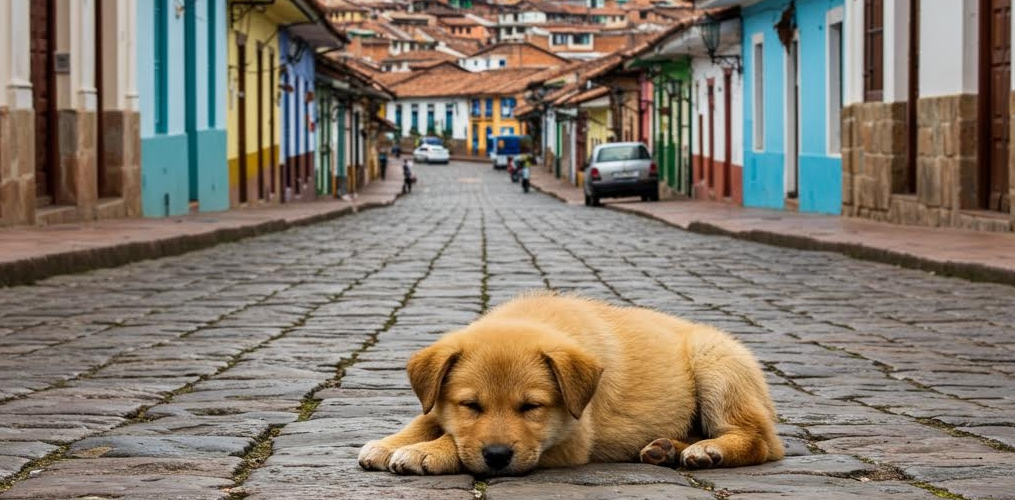
Living as an expat often means embracing the unexpected, but nothing could have prepared us for the four-legged surprise that would completely reshape our foreign adventure. What started as a routine evening walk through our new neighborhood ended with a life-changing decision that taught us more about home, community, and love than any guidebook ever could.
The Unexpected Encounter
Before that fateful Tuesday evening, our expat life followed a predictable rhythm. Work, language classes, weekend explorations, and the occasional video call home. We had settled into our new country with the careful efficiency that many expats develop—organized, independent, and perhaps a little too insulated from the local community.
The puppy appeared on a side street we'd walked dozens of times before. No bigger than a loaf of bread, with matted fur and ribs showing through his thin coat, he sat shivering beside a dumpster. His eyes—impossibly large and hopeful—followed every passerby with the kind of optimism that breaks your heart.
My partner and I stood there for what felt like hours, though it was probably only minutes. The internal debate raged: we weren't prepared for a pet, we traveled frequently, our lease probably didn't allow animals, we barely spoke enough of the local language to handle our own needs, let alone a sick puppy's.
But as we turned to walk away, the little guy stood up on unsteady legs and took a few tentative steps toward us. In that moment, the decision made itself. We weren't adopting him—he was adopting us.
From Rescue to Reality
The first challenge came immediately: finding emergency veterinary care at 8 PM on a Tuesday. Armed with Google Translate and a growing sense of urgency, we called every animal clinic we could find online. The language barrier felt insurmountable until a kind receptionist patiently listened to our broken attempts at explanation and agreed to meet us at the clinic.
Dr. Martinez became our first hero in this journey. Despite our linguistic limitations, she managed to communicate the puppy's condition—malnourished, dehydrated, but treatable. Through a combination of simple Spanish, English phrases, and elaborate hand gestures, we learned about vaccination schedules, proper nutrition, and the reality that our little rescue would need weeks of careful attention.
That first night, we made a bed for him out of towels in our bathroom—the only space we could easily clean if accidents happened. Neither of us slept much, taking turns checking on our unexpected houseguest who seemed equally bewildered by his change in circumstances.
The next few days became a crash course in pet ownership abroad. Every task that would be routine back home—buying the right food, understanding medication instructions, finding pet supplies—required patience, creativity, and often the help of strangers who took pity on two confused foreigners in pet stores.
Learning Curves and Cultural Differences
As our puppy—whom we'd named Lucky by day three—began to recover, we discovered just how much we didn't understand about local attitudes toward animals. Street dogs were common in our neighborhood, but the community's approach to them was complex and varied greatly from what we'd experienced in our home country.
Some neighbors were delighted by our rescue efforts, sharing stories of their own animal encounters and offering advice. Others seemed puzzled by our attachment to what they considered "just a street dog." These interactions became unexpected windows into cultural values and different relationships with animal welfare.
Veterinary practices also differed significantly from what we expected. Appointment scheduling was more flexible but less predictable. Treatment approaches sometimes emphasized practical solutions over the extensive testing we might expect elsewhere. Learning to navigate these differences required letting go of assumptions and trusting local expertise.
The language barrier proved both frustrating and amusing. Teaching commands in Spanish while still learning the language ourselves led to confusion for all parties involved. Lucky learned "siéntate" before we could reliably conjugate the verb "to sit" in conversation.
Daily Life Transformed
Within weeks, Lucky had completely restructured our expat routine. Early morning walks replaced sleeping in. Lunch breaks became opportunities to check on him rather than extending work meetings. Our evening explorations of the city now included scouting dog-friendly cafés and parks.
The impact on our social life was immediate and unexpected. Spontaneous after-work drinks became complicated logistics involving dog-sitting arrangements or finding pet-friendly venues. Weekend trips required advance planning for Lucky's care. Our previously flexible expat lifestyle suddenly had non-negotiable constraints.
Yet these changes brought unexpected joys. Morning walks through the neighborhood revealed details we'd never noticed before—the elderly man who fed street cats every day, the corner bakery that opened before dawn, the children who waited at the same bus stop each morning and always smiled when they saw Lucky.
Our apartment, previously just a functional space for sleeping and working, became truly home. Lucky's presence added warmth and personality to rooms that had felt temporary. His toys scattered across the living room, his favorite sleeping spot by the window, his excited greetings when we returned from work—these small details transformed our living space into something that felt permanent and loved.
Building Connections Through Four Paws
Lucky proved to be the ultimate social catalyst. Dog parks became our introduction to local parenting culture as we met families who brought children to play while dogs socialized. Pet stores introduced us to other expat pet owners who shared advice about international travel documents and reliable veterinarians.
Our regular walks created natural conversation opportunities with neighbors. Lucky's friendly personality and obvious rescue story made him a neighborhood celebrity of sorts. People would stop to ask about him, share their own pet stories, or simply smile and greet us more warmly than before.
The veterinary clinic became an unexpected community hub. Monthly check-ups and vaccination visits meant regular interactions with Dr. Martinez and her staff, who remembered not just Lucky's medical history but also asked about our work and how we were adjusting to life in their country.
These connections, initially centered around Lucky's needs, gradually expanded into genuine friendships. Neighbors who started by offering dog-sitting help became dinner companions. Fellow dog park visitors became weekend hiking partners. The social integration that had felt so elusive during our first months abroad suddenly seemed natural and effortless.
The Practical Expat Pet Owner
The reality of expat pet ownership brought challenges we'd never considered. When our lease renewal approached, we discovered that pet deposits and restrictions varied significantly from our home country's standards. Finding pet-friendly housing required a new set of search criteria and often meant compromising on location or budget.
Travel planning became exponentially more complex. What used to be simple weekend trips now required advance arrangements for Lucky's care. Visits home meant researching international pet travel requirements—health certificates, vaccination records, quarantine procedures, and airline pet policies that seemed to change with each inquiry.
The financial implications were substantial and ongoing. Beyond initial veterinary care and supplies, we discovered the costs of quality pet food, regular check-ups, emergency care, and potential travel expenses. Our careful expat budget required significant adjustments to accommodate our new family member.
Documentation became crucial in ways we hadn't anticipated. Maintaining detailed health records, understanding local pet registration requirements, and ensuring all paperwork would meet international travel standards required organization and foresight that challenged our usual approach to expat life.
Home is Where the Heart (and Paws) Are
Six months after that chance encounter, Lucky had fundamentally changed our relationship with our adopted country. What had once felt like a temporary adventure—a few years abroad before returning to "real life"—began to feel like something deeper and more permanent.
Lucky's presence created continuity and routine that anchored us during the typical expat challenges of cultural adjustment and homesickness. When work stress mounted or bureaucratic frustrations peaked, his enthusiastic greetings and simple presence provided comfort and perspective that no amount of video calls home could match.
The responsibility of caring for him also created unexpected emotional investment in our local community. His happiness depended on our ability to navigate local systems, build relationships, and truly integrate into our neighborhood. His welfare became inseparable from our own successful adaptation to expat life.
Perhaps most significantly, Lucky changed our concept of what "home" meant. Home was no longer defined by geography or culture but by the daily routines of care, the relationships we'd built through him, and the sense of being needed and welcomed that his presence created in our lives.
Looking back, we realize that we didn't rescue Lucky that evening—he rescued us from the isolation and uncertainty that can define expat life. He transformed us from temporary visitors into permanent residents, from observers into participants, from expatriates into locals with deep roots and genuine connections.
The dog that adopted us taught us that home isn't a place you return to—it's a feeling you create, one day, one walk, one wagging tail at a time. And sometimes, the most life-changing adventures begin not with careful planning, but with the simple decision to stop and help when help is needed most.