The Day I Learned to Trust My Instincts
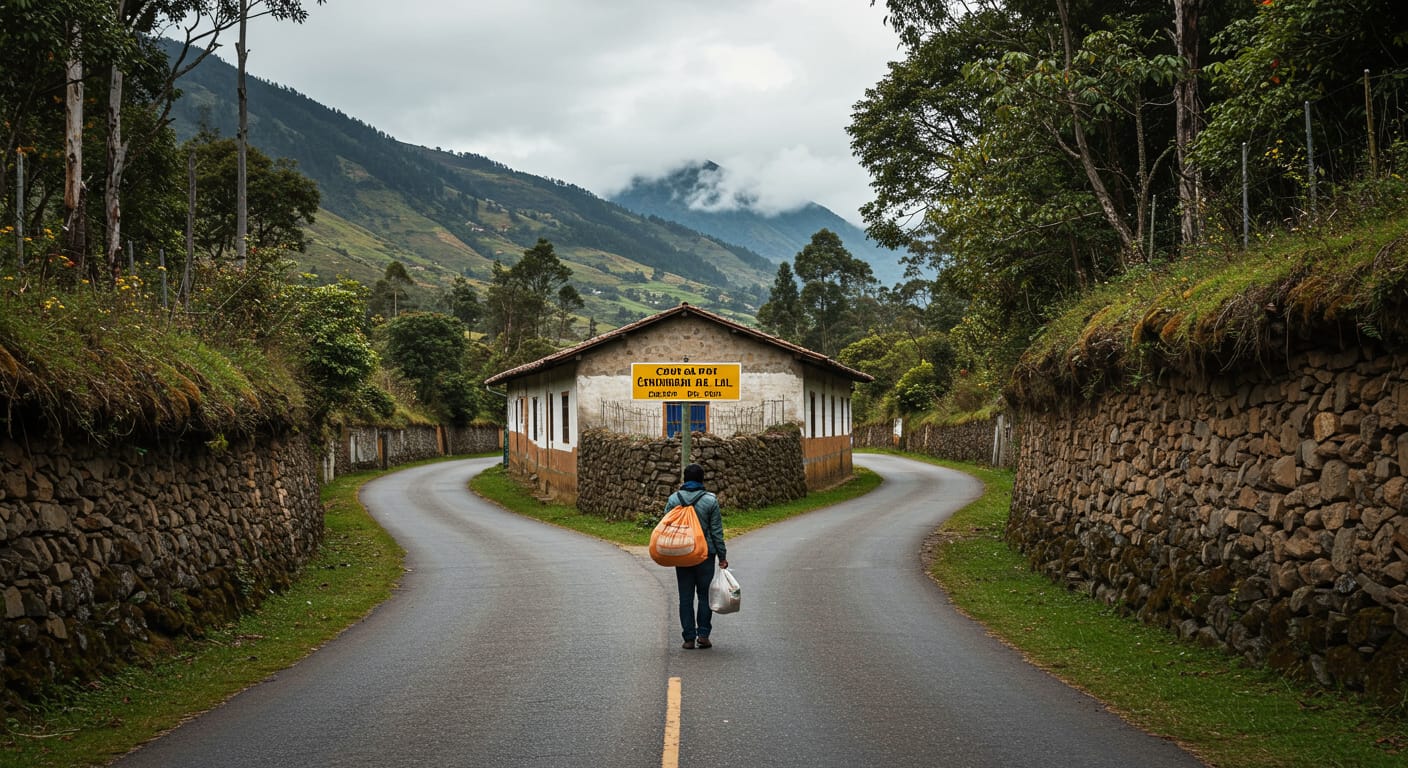
It happened on a damp evening not long after I had settled into life abroad, when the streets still felt half welcoming and half unreadable. The light was fading, the sidewalks were slick from a recent rain, and the neighborhood carried that end-of-day hum of buses, distant voices, and metal shop doors rolling shut. I was tired, carrying a bag that suddenly felt too heavy, and standing at the edge of a decision that should have been simple. Instead, something in me tightened.
Nothing dramatic had happened. No one had shouted. No obvious danger announced itself. But a small internal alarm went off before my mind could explain why. It was in the tone of a conversation, the way someone kept stepping a little too close, the way the street ahead seemed to empty all at once. I remember smiling politely while, underneath that smile, my body had already decided something was off.
Why I Almost Ignored My Gut
My first instinct was not to trust myself. It was to explain the feeling away.
Living abroad had made me more aware of how often I misread things, or at least worried that I might. Was I being too sensitive? Was I misunderstanding a perfectly normal interaction because I still did not fully grasp the local rhythm, the local tone, the local way strangers occupied space? I did not want to be the foreigner who turned uncertainty into suspicion. I did not want embarrassment to follow me home.
So I did what many of us do in moments like that: I started building a case against my own instincts. I told myself I was tired. I told myself the unfamiliar setting was making everything feel sharper than it was. I told myself that if nothing looked wrong from the outside, maybe nothing was wrong at all.
And yet the feeling stayed. It did not get louder, exactly. It just refused to leave.
The Decision I Made
In the end, the choice was small enough that no one else would have seen it as important. I changed my plan.
Instead of continuing down the quieter route I had intended to take, I stepped back toward the busier corner, into the brighter part of the street, and ducked into a nearby café I had passed a dozen times without ever entering. I remember hesitating even then. My hand was tense on the door. My heart was beating hard enough to annoy me. Part of me still felt ridiculous, as if I were creating a problem by responding to a feeling I could not justify.
Inside, the sounds of plates, low conversation, and a steaming espresso machine felt absurdly comforting. I ordered something I did not really want just to give myself a reason to stay. Then I stood near the window and waited for my nerves to settle enough for me to decide what to do next.
What Happened Next
Nothing happened in the cinematic sense. No revelation arrived to prove that I had narrowly escaped disaster. No one burst through the door. No dramatic ending tied the moment into a neat lesson.
What happened instead was quieter and, for me, more telling. After a few minutes, I saw enough through the café window to understand that my discomfort had not come from nowhere. The situation outside shifted in a way that confirmed the tension I had been feeling, even if it did not fully explain it. Maybe I had picked up on impatience, unpredictability, or the subtle way attention had fixed on me. Maybe my body had assembled the clues before my thoughts could catch up.
I walked home later by a different route, relieved but also unsettled. Relieved because I had listened to myself. Unsettled because I realized how close I had come to overriding that inner warning simply to avoid seeming rude, awkward, or culturally clumsy.
For days afterward, I replayed it in my mind. Not because I was certain something bad would have happened, but because I knew I had crossed an invisible threshold. I had acted on instinct without waiting for permission from logic.
What Living Abroad Taught Me About Instinct
Living abroad trains you to function without many of the reference points you once relied on. At home, you know what is ordinary. You know what sounds normal at a certain hour, what neighborhoods feel different after dark, what social signals mean, and when a situation has shifted from harmless to uncomfortable. In a new country, that familiarity disappears. Every interaction carries a small question mark.
At first, I thought the answer was to become more rational, more careful, more observant in a purely conscious way. And that matters, of course. But over time I learned that instinct is part of observation too. It is not mystical. It is often just pattern recognition happening below the surface: a pause that lasts too long, a smile that does not reach the eyes, a street that changes mood in a second, a body that registers tension before the mind has formed a sentence around it.
That experience taught me that self-trust is one of the most important skills an expat can develop. Not because the world is always threatening, but because living abroad asks you to make decisions in uncertainty over and over again. You cannot wait for complete clarity every time. Sometimes wisdom looks like gathering more information. Sometimes it looks like asking for help. And sometimes it looks like leaving a place, changing a route, or saying no without being able to fully defend why.
I also learned that trusting my instincts did not mean becoming fearful. It did not mean treating every unfamiliar moment as a threat. It meant paying attention to myself with the same seriousness I gave to maps, language lessons, and local advice. Adaptation is not just about learning a place. It is also about learning how you move through that place.
Closing Reflection: Trust, Not Fear
I still think about that rainy evening sometimes, especially when I catch myself hesitating between what looks reasonable and what feels true. The lesson was never that my instincts are always right. They are not. The lesson was that they deserve a hearing.
There is a difference between living in fear and living with awareness. One narrows the world. The other helps you move through it with steadier footing. What I learned that day was not how to be suspicious. It was how to listen more closely.
Even now, when I walk home at dusk and the air smells like wet pavement and closing shops, I remember that first small turn toward safety: one hand on a café door, one pulse of hesitation, and the quiet knowledge that I did not need a perfect explanation to trust myself.