The Day I Accidentally Ordered Sheep Brain Instead of Ice Cream
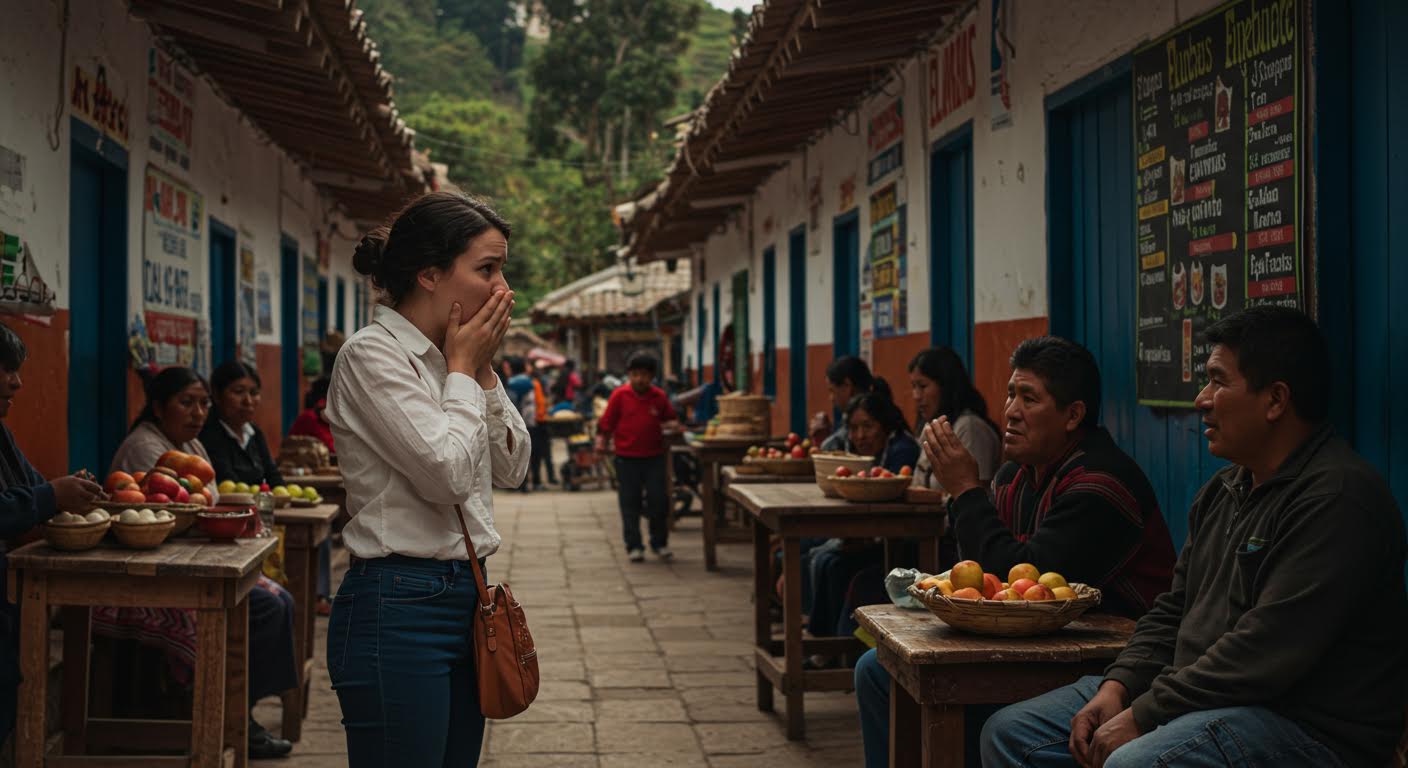
Every expat has that story—the one that makes you cringe and laugh in equal measure years later. Mine involves a confident stride into a local restaurant, enthusiastic hand gestures, and what I thought was flawless Spanish. Spoiler alert: it wasn't.
The Setup: New Country, New Rules
I'd been in Cuenca exactly six days when overconfidence struck. Armed with four years of high school Spanish and a semester abroad in Spain, I felt ready to navigate Ecuador's culinary scene solo. My host family had been patiently translating menus all week, but I was determined to prove my independence.
The restaurant looked perfect—small, family-run, with hand-written menus and the kind of authentic atmosphere that guidebooks rave about. No English in sight, which I took as a challenge rather than a warning. I'd studied the menu at home, practicing my order until it rolled off my tongue: a simple lunch and dessert to celebrate my linguistic prowess.
What I hadn't accounted for was the fundamental difference between textbook Spanish and the rapid-fire, idiom-rich dialect of everyday Cuencan conversation.
The Mistake Unfolds
Everything started smoothly. I ordered my main dish—pollo al horno—without incident. Feeling triumphant, I confidently requested dessert, pointing enthusiastically at what I was certain read helado de coco (coconut ice cream). The server nodded, but something flickered across her face that I couldn't quite read.
Twenty minutes later, she returned with my dessert: a small plate containing what looked like pale, wrinkled cauliflower floating in broth. Confused but committed to my confident expat persona, I took a tentative bite.
The texture was... unexpected. Spongy. Distinctly non-ice-cream-like. The elderly man at the next table was watching with barely concealed amusement as I chewed thoughtfully, clearly trying to process what I was eating. Finally, he leaned over.
"¿Te gusta el seso?" he asked kindly.
Seso. Brain. I had somehow ordered sheep brain.
The realization hit like a linguistic freight train. My confident pointing and enthusiastic ordering had somehow transformed coconut ice cream into organ meat. The server appeared at my elbow, having apparently been monitoring this cultural trainwreck from the kitchen.
The Aftermath and Learning
What followed was a masterclass in Ecuadorian kindness. Rather than laughing at the obvious foreigner who'd made a spectacular menu error, the server gently explained that I'd been reading the handwriting wrong—the daily special wasn't listed where I thought the desserts were.
She brought out the actual dessert menu, pointing to the helado de coco I'd originally wanted. The gentleman at the neighboring table joined our impromptu Spanish lesson, explaining that seso was actually considered a delicacy, and I shouldn't feel bad about the mix-up.
"Pero," he added with a grin, "maybe next time, ask first."
I learned several crucial things in that moment: handwritten Spanish cursive bears little resemblance to printed textbook fonts, cultural confidence requires actual cultural knowledge, and Ecuadorians possess remarkable patience for confused foreigners. Most importantly, I discovered that sheep brain, while unexpected, isn't actually terrible when you're not expecting ice cream.
Finding the Humor (and Wisdom)
Looking back, that afternoon represents everything beautiful and terrifying about expat life. The willingness to make spectacular mistakes in service of authentic experiences. The humbling realization that confidence without context is just arrogance in disguise. The unexpected kindness of strangers who could have mocked but chose to teach instead.
The story has become my go-to icebreaker at expat gatherings, because every long-term traveler has a version of it. We've all been that person—over-confident, under-prepared, and completely convinced we understand more than we do. The details change (wrong buses, inappropriate clothing, linguistic disasters), but the core experience remains universal.
What transformed this from a mortifying mistake into a cherished memory was learning to laugh at myself. That afternoon taught me that cultural adaptation isn't about avoiding mistakes—it's about making them gracefully, learning quickly, and appreciating the patience of locals who've seen it all before.
Now, five years later, I still double-check menus. But I also know that even spectacular cultural mishaps can become bridges rather than barriers, and sometimes the best stories come from the moments when everything goes hilariously wrong.
The next time you're facing down a menu in an unfamiliar language, remember: worst case scenario, you'll have a great story to tell at the next expat meetup.