The Cat That Refused to Be Forgotten
Moving to a new country as an expat brings countless uncertainties, but sometimes the most meaningful connections come from the most unexpected places. For me, that place was a narrow alley behind my apartment building in Prague, where I first encountered a scraggly orange tabby that would forever change my understanding of home.
An Unexpected Encounter
Three weeks into my new life in the Czech Republic, I was still struggling with the basics—deciphering grocery labels, navigating the tram system, and fighting off the loneliness that comes with starting over where you know no one. The corporate relocation package had secured me a modest flat in Vinohrady, but it couldn't provide what I needed most: a sense of belonging.
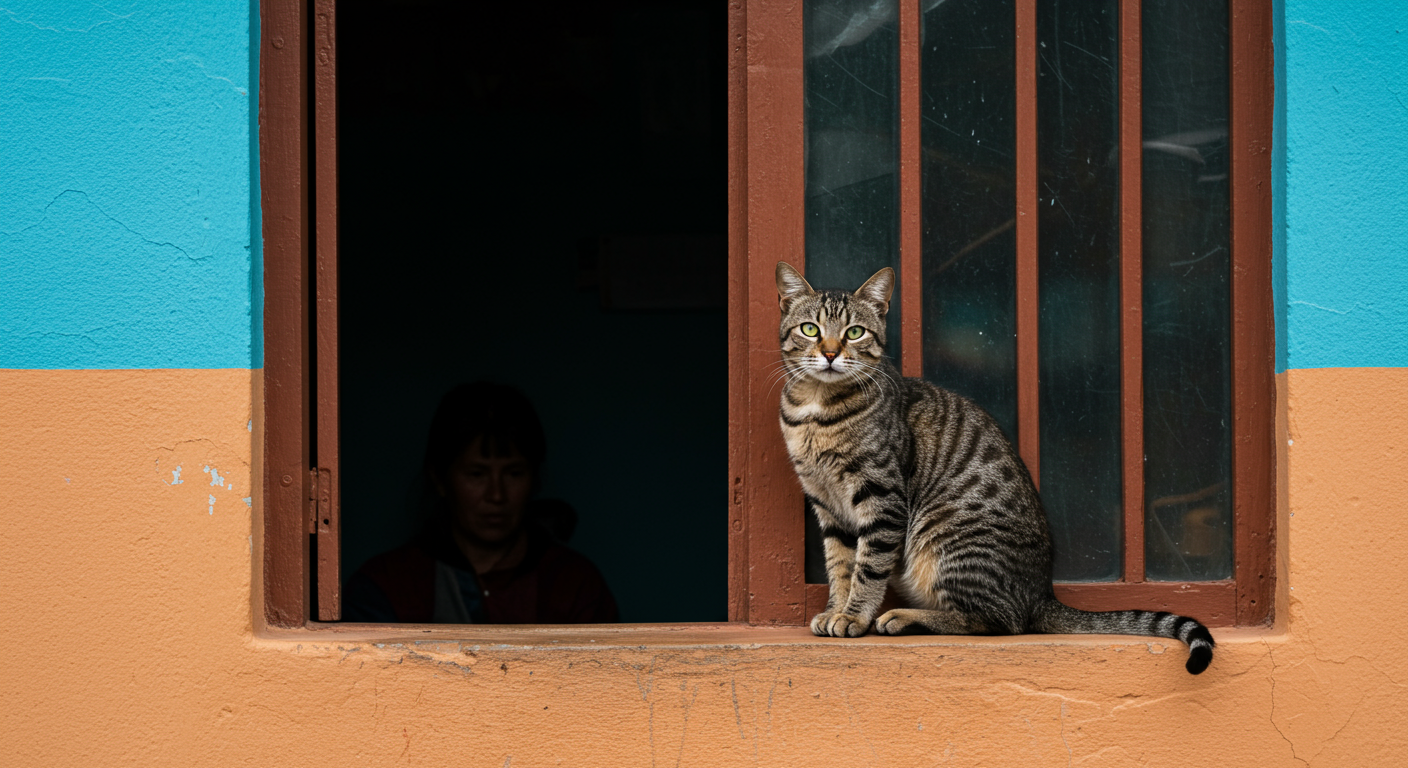
It was on a particularly grey October morning, as I fumbled with my building's temperamental back door while taking out trash, that I first saw him. A medium-sized cat with matted orange fur and one distinctly crooked ear sat perched on a dumpster, watching me with intelligent green eyes that seemed far too knowing for a stray.
What struck me immediately wasn't his bedraggled appearance, but his complete lack of fear. While most feral cats would have bolted at the sight of a stranger, this one simply sat there, tail twitching slightly, as if he'd been waiting specifically for me. When I approached cautiously, he didn't flee—instead, he let out a rusty purr that sounded like a small engine trying to start.
Building an Unlikely Bond
Within a week, our morning encounters had become routine. I'd bring down my trash, and there he'd be, sitting in the exact same spot as if he had an appointment to keep. I started carrying small portions of whatever I was eating—bits of chicken, leftover fish, even Czech bread rolls that he'd accept with dignified appreciation.
The cat, whom I'd started calling Kafka (a nod to my new city's literary heritage), became my first real connection in Prague. While I struggled to communicate with shopkeepers and colleagues in broken Czech, Kafka and I developed our own language of gentle touches, shared meals, and comfortable silences.
During those early months of cultural adjustment—when everything from banking procedures to social norms felt foreign and overwhelming—those ten minutes each morning with Kafka became an anchor. He didn't care that I mispronounced Czech words or that I still got lost trying to find the post office. His presence reminded me that connection doesn't always require words, and that sometimes the most profound relationships develop through simple, consistent acts of care.
On particularly difficult days, when homesickness hit hardest, I'd find myself sitting in the alley longer than necessary, stroking Kafka's now-cleaner fur and talking through my frustrations. He'd listen with the patience of a therapist, occasionally offering a reassuring head bump or settling into my lap as if to say, "You're exactly where you need to be."
The Challenge of Impermanence
As winter approached and my attachment to Kafka deepened, the reality of my situation became increasingly complicated. My work visa was temporary, my lease short-term, and my life in Prague built on the understanding that nothing was permanent. Yet here was this cat who had clearly chosen me as his person, and I couldn't shake the growing sense of responsibility I felt toward him.
I spent countless hours researching pet adoption procedures for expats, contacting local animal shelters, and even looking into the logistics of international pet transport. The bureaucratic maze was daunting—veterinary certificates, import permits, quarantine requirements—and the costs were substantial on my modest expat salary.
The emotional weight was even heavier. Walking away felt like abandonment, but taking him with me seemed presumptuous and potentially disastrous. What if he was happier as a free-roaming city cat? What if the stress of travel and a new environment in another country harmed him? The questions kept me awake at night, made more complex by the growing realization that Kafka had become far more than just a friendly stray—he'd become family.
I reached out to local expat forums and Facebook groups, hoping to find someone who might adopt him permanently. The responses were kind but predictable: everyone had their own pet situations, visa complications, or upcoming relocations. The expat community, I learned, was full of people living beautifully temporary lives, which made permanent commitments incredibly challenging.
A Lasting Impact
When my company offered me a permanent position and visa extension, the decision felt less about career advancement and more about honoring a promise I'd made to an orange cat in an alley. Kafka had taught me something fundamental about the nature of home: it's not always about the place you come from, but sometimes about the commitments you choose to make.
The process of officially adopting Kafka and transitioning from temporary expat to longer-term resident wasn't simple, but it was clarifying. Through veterinary visits conducted in broken Czech and English, through conversations with patient landlords about pet policies, and through the small daily acts of caring for another being, I found myself more integrated into Prague life than any language course or cultural orientation had achieved.
Three years later, Kafka still greets me each morning, though now from the comfort of our shared apartment rather than a dumpster in the alley. His crooked ear and wise green eyes serve as daily reminders of an important expat truth: sometimes the most meaningful aspects of living abroad aren't the career opportunities or cultural experiences, but the unexpected relationships that teach us about compassion, commitment, and what it really means to build a life somewhere new.
The cat that refused to be forgotten ultimately refused to let me forget what matters most—that home isn't just a place on a map, but a collection of connections, responsibilities, and daily acts of love that root us wherever we choose to plant them.