The Cat That Refused to Be Forgotten
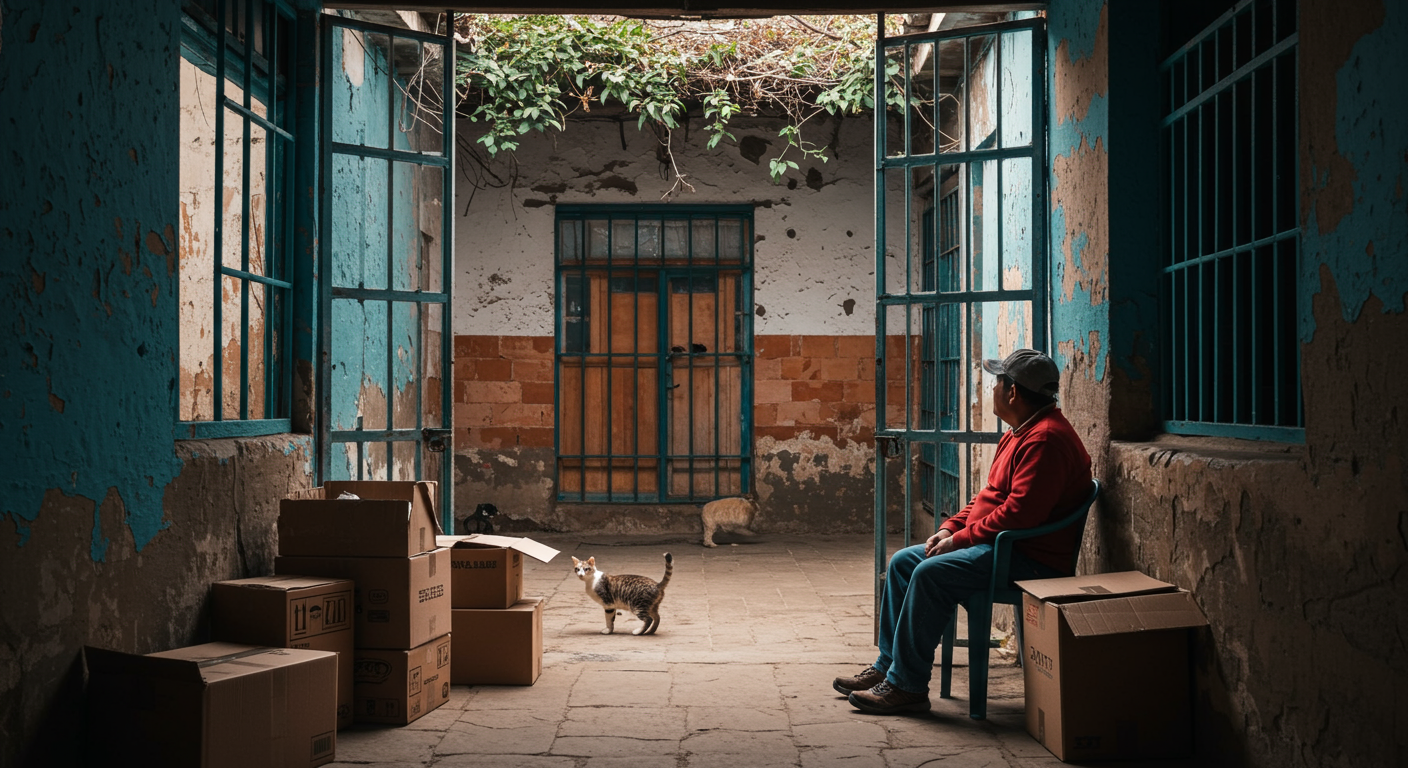
Some encounters change us in ways we never expect. For expats navigating new countries and cultures, these moments often come from the most unlikely sources—sometimes with four paws and a stubborn streak that defies explanation.
The Arrival
It was my second week in the cramped apartment above the bakery on Calle Larga when I first noticed the orange tabby. I was wrestling with my morning coffee routine—the ancient gas stove demanded a particular finesse I hadn't yet mastered—when persistent meowing drifted from the small balcony.
There he sat, as if he'd been waiting specifically for me, green eyes fixed on mine with an intensity that suggested this wasn't our first meeting. His slightly matted fur hinted at street life, but his posture held a dignity that spoke of better times. Most striking was his left ear, which bore a distinctive notch that gave him a rakish, battle-worn appearance.
Living abroad had already taught me to be cautious about forming attachments, especially temporary ones. But something about this cat's unwavering gaze suggested he had other plans.
Building the Bond
What started as sharing leftover bread from the bakery below evolved into a daily ritual that anchored my otherwise chaotic expat schedule. Each morning at precisely 7:30, he appeared on the balcony railing. Each evening at sunset, he returned for our shared dinner hour.
His quirks revealed themselves gradually. He had an unusual habit of bringing small gifts—not the typical dead mice, but curious objects: a bottle cap, a child's lost toy, once even a house key that clearly belonged to someone else. He presented these treasures with great ceremony, waiting for acknowledgment before proceeding to his meal.
More than entertainment, his presence became my anchor in the disorienting whirlwind of expat life. While I struggled with language barriers and cultural misunderstandings, he provided constancy—a wordless relationship that required no translation. In a place where I often felt invisible, he saw me completely.
The Challenge of Letting Go
The job opportunity arrived suddenly—a transfer to another city promising better prospects but demanding immediate departure. The logistics of expat life are rarely simple, and pet transportation across borders involves paperwork, vaccinations, and expenses my precarious finances couldn't handle.
I spent sleepless nights researching alternatives. Local shelters were overcrowded. Friends and acquaintances—fellow expats themselves—weren't positioned to take on long-term pet care. The bakery owners below were kind but already had three cats of their own.
The morning of my departure, I left extra food and water, along with desperate hope that someone else would notice his special nature. As the taxi pulled away, I saw him sitting on the balcony railing, watching my departure with those same intense green eyes that had greeted me weeks earlier.
Unexpected Returns
Six months later, I received an unexpected message through the expat community network. Someone had posted a photo of an orange tabby with a notched ear, asking if anyone knew his owner. The location tag showed my old neighborhood.
The messages that followed painted a picture of systematic searching. Neighbors reported that he'd visited every apartment in the building, as if looking for something—or someone. They found him at my old balcony each morning and evening, maintaining our schedule long after I'd left. The new tenant tried adopting him, but he would accept food and shelter while continuing his apparent vigil.
More photos arrived over the months, always showing him in familiar spots from our shared routine. The bottle cap gifts continued, now left at my former apartment's door. It was as if he'd decided our connection wasn't subject to conventional limitations like geography or time.
Lasting Impact
Two years have passed since I left that little apartment above the bakery. I've moved twice more, each time adapting to new cultures and challenges. But the lesson of that orange tabby travels with me: some bonds form instantly and completely, transcending the temporary nature of expat existence.
His refusal to accept our separation taught me something profound about commitment and memory. While I had approached our relationship with the cautious temporariness that expat life often demands, he gave himself completely to our connection. His persistence in maintaining our routines, even in my absence, became a testament to the authenticity of what we'd shared.
Now, in each new place I call home, I find myself more open to unexpected relationships. Whether with neighbors, local shopkeepers, or yes, the occasional stray animal, I've learned that fear of eventual separation shouldn't prevent us from embracing genuine connections when they appear.
The last photo I received showed him finally settled with a local family, a child's arms wrapped around his orange fur. But according to the neighbor who sent it, he still makes his morning rounds to that balcony railing—a ritual that has become part of the building's character, a reminder that some cats, like some friendships, simply refuse to be forgotten.