The Abandoned Place Everyone Avoids After Sunset
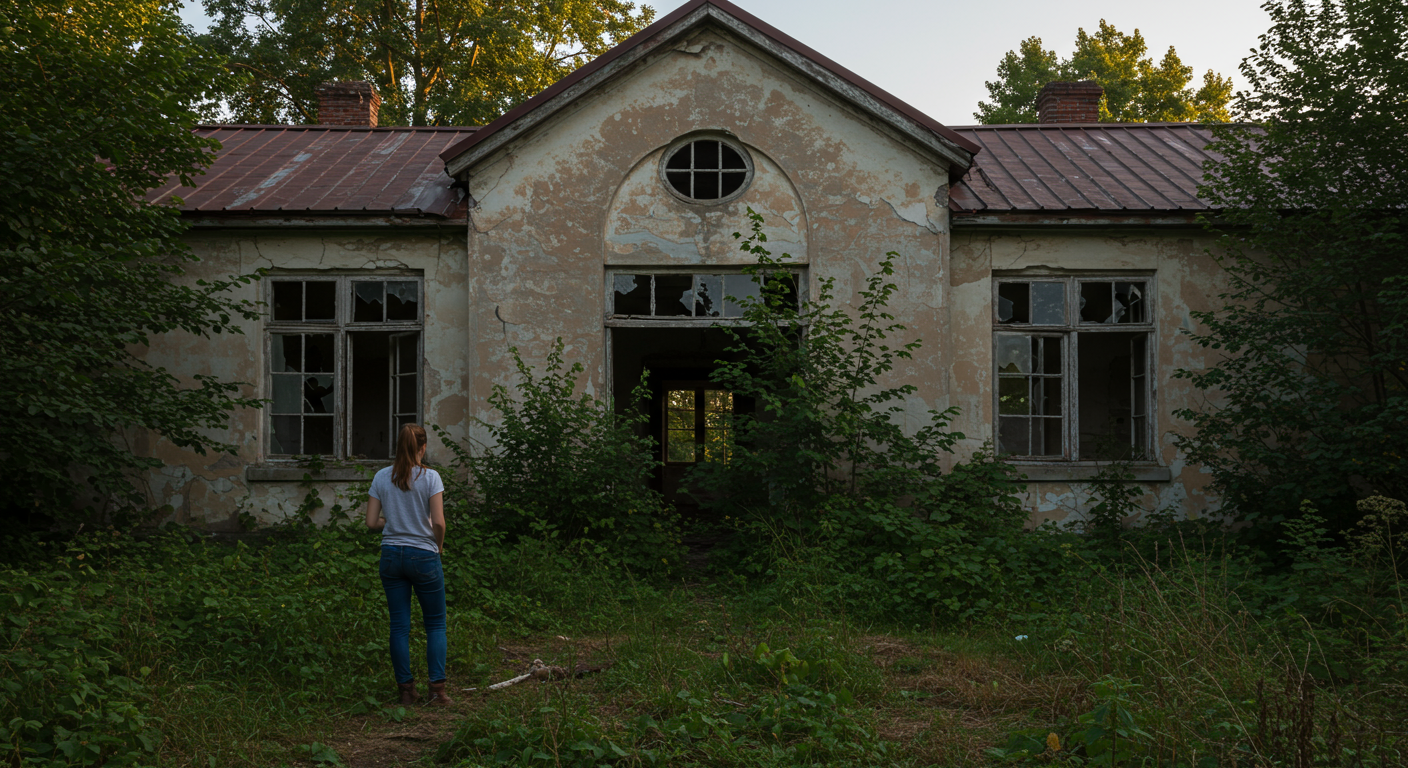
Every expat community has its unspoken rules, but some warnings transcend language barriers entirely. When locals from different backgrounds, ages, and beliefs all share the same reaction to a particular place—a subtle shake of the head, averted eyes, and the universal gesture of "don't go there"—you learn to pay attention.
The Warning That Made Me Stop
It was the way Maria's face changed when I mentioned the old textile factory on the outskirts of town. The friendly chatter stopped mid-sentence, replaced by something I'd never seen in her eyes before: genuine fear. She wasn't alone. Over the following weeks, I noticed the same reaction from the baker, the taxi driver, even the teenagers who seemed fearless about everything else.
"After dark, no one goes there," Maria finally explained in broken English, her usual warmth replaced by an urgency that made me uncomfortable. "You understand? No one."
As an expat, you learn to navigate cultural differences with curiosity and respect, but this felt different. This wasn't about customs or traditions—this was about something that made rational people genuinely afraid.
What Makes a Place Forbidden
The building itself seemed ordinary enough in daylight: crumbling concrete walls, broken windows, and the skeletal remains of industrial equipment. Like countless other casualties of economic downturns, it stood as a monument to better times that never returned.
But abandoned places carry more than just physical decay. They become repositories for collective memory, fear, and stories that grow more powerful in the absence of official explanations. When formal history fails to document what happened in these spaces, folklore steps in to fill the void.
Some dangers are real: unstable structures, hazardous materials, or criminal activity that thrives in forgotten corners. Others exist in the realm of belief and tradition, where supernatural explanations provide comfort in the face of inexplicable loss or tragedy.
After Dark: When Warnings Become Reality
Sunset changes everything. The familiar becomes foreign, and sounds that seemed innocent in daylight take on new meaning. Even the most skeptical expat begins to understand why locals time their routes to avoid passing certain places once darkness falls.
It's not just superstition—though that plays a role. Abandoned buildings become theaters for the imagination, where every creak of settling metal and every play of shadow against broken glass tells a story your rational mind struggles to dismiss.
The transformation isn't just psychological. These places often become magnets for activities that genuinely warrant caution: illegal gatherings, drug activity, or simply the unpredictable behavior of people with nowhere else to go. Local warnings about supernatural dangers sometimes mask very real safety concerns that locals understand instinctively.
The Stories Locals Tell
In hushed conversations, fragments of history emerge. Perhaps there was an accident that was never properly investigated, or a closure that came too suddenly, leaving too many questions unanswered. Maybe it's simpler: places that once provided livelihoods become symbols of collective loss when they fall silent.
Local folklore rarely emerges from nothing. Behind every ghost story lies a grain of truth, whether it's unprocessed grief, economic trauma, or simply the human need to make sense of spaces that feel fundamentally wrong. These stories serve as both warning and comfort—acknowledging danger while providing a framework for understanding it.
The difference between tourist ghost stories and genuine local fear is unmistakable. One seeks entertainment; the other demands respect. When an entire community shares an unspoken understanding about a place, it reflects something deeper than casual superstition.
When Curiosity Becomes Respect
Learning to live as an expat means developing sensitivity to currents beneath the surface of daily life. Some boundaries exist for reasons that aren't immediately obvious to outsiders, but that doesn't make them any less real or important.
The abandoned factory remains on the edge of town, a reminder that some places are better left undisturbed. Whether the dangers are physical, psychological, or something else entirely matters less than the wisdom embedded in collective avoidance. When an entire community agrees that certain places are off-limits after dark, listening becomes more valuable than investigating.
Sometimes the most important cultural lesson isn't about what you should do, but about what you should leave alone. In the space between curiosity and respect, expats learn to navigate not just new places, but new ways of understanding why some warnings deserve to be heeded without question.