Starting Over Together: Love, Risk, and Reinvention in Ecuador
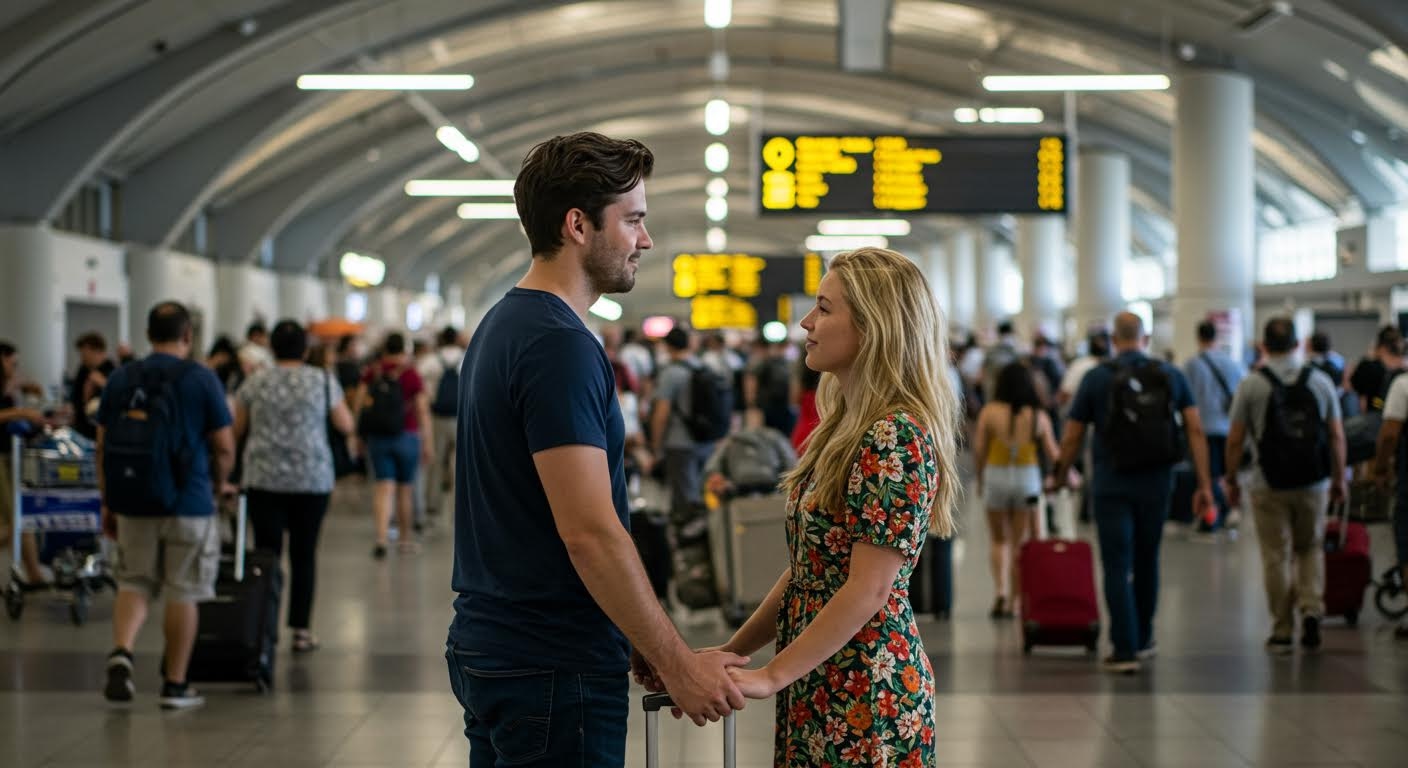
Deciding to uproot your entire life is daunting enough when you're going it alone. When you're a couple, the stakes feel even higher—you're not just risking your own future, but gambling with a shared dream. For many couples who've made the leap to Ecuador, that shared risk has become the foundation of something extraordinary: a deeper partnership forged through adventure, challenge, and the daily act of reinventing themselves together.
The Decision to Leave Everything Behind
Every couple's catalyst is different. Some are driven by career burnout, others by the desire to stretch retirement savings further. Many cite a growing disconnect with the pace and priorities of life back home—the endless commute, the focus on material accumulation, the feeling that they were living someone else's definition of success.
"We kept asking ourselves, 'Is this it?'" reflects one expat who moved to Cuenca with her partner of fifteen years. "We had good jobs, a nice house, but we felt like we were sleepwalking through our lives. Ecuador represented a chance to wake up—literally and figuratively."
The research phase often becomes a bonding experience in itself. Couples spend months poring over cost-of-living calculators, watching YouTube tours of Ecuadorian cities, and joining Facebook groups where they pepper established expats with questions. This shared preparation creates excitement, but also amplifies doubts.
Family and friends' reactions range from supportive to bewildered. Parents worry about healthcare and safety. Friends question the wisdom of leaving stable careers. Some couples describe feeling isolated even before they leave, as their decision to prioritize adventure over security challenges others' life choices.
First Steps in Ecuador: Culture Shock and Early Challenges
The honeymoon phase of arrival—the thrill of stepping off the plane into a new life—typically lasts about two weeks. Then reality sets in with the force of Quito's altitude or the humidity of the coast.
Language barriers create daily obstacles that test patience and humility. Simple tasks like ordering coffee or asking for directions become exercises in creative communication involving hand gestures, smartphone translation apps, and good humor. Banking procedures that would take minutes back home stretch into half-day ordeals.
Housing searches reveal cultural differences in everything from lease terms to what constitutes "furnished." One couple describes spending their first month in Ecuador moving between three different rentals, each teaching them something new about their priorities and tolerance for uncertainty.
Establishing internet, utilities, and basic services requires navigating bureaucracies that operate on different timelines and assumptions. The concept of "mañana" stops being charming when you're in your third week waiting for wifi installation.
Relationship Dynamics in a New Environment
Relocating to Ecuador strips away many of the external structures that define roles in a relationship. Without familiar jobs, social circles, or routines, couples must renegotiate everything from daily schedules to long-term goals.
Some find that strengths they never knew they had emerge under pressure. The partner who was always anxious about finances back home might discover a talent for bargaining in markets. The one who avoided social situations might become the couple's networking champion in expat communities.
Stress manifests differently for each person. Homesickness might hit one partner like a wave while the other is still riding high on adventure. Learning to support each other through these emotional fluctuations—without the familiar comforts of home—requires new levels of communication and empathy.
"We joke that the first six months in Cuenca were like relationship boot camp," shares one expat. "We had to learn to be each other's entire support system while we were both falling apart and rebuilding ourselves."
Building a New Life: Work, Community, and Identity
Creating income streams in Ecuador demands creativity and flexibility. Some couples leverage remote work arrangements, others start small businesses serving fellow expats or tap into Ecuador's growing digital economy. Many discover that their relationship to work itself changes—success becomes less about climbing ladders and more about sustainability and satisfaction.
Community building happens in layers. There's the practical network—the Facebook groups, the meetups, the informal information exchanges that help navigate daily life. Then there's deeper connection: finding people who share values, humor, and interests beyond the shared experience of being foreign.
Integration with local Ecuadorian communities varies widely among expat couples. Some make determined efforts to learn Spanish and participate in neighborhood life. Others find themselves primarily within expat bubbles. Most discover that meaningful cultural exchange happens gradually, through small daily interactions rather than grand gestures.
Professional and personal identities undergo profound shifts. Without familiar career titles or social markers, couples must rediscover who they are and what they value. This process can be liberating—or terrifying.
Unexpected Discoveries and Growth
Ecuador has a way of revealing things about yourself you never knew existed. Couples describe discovering hidden resilience, creativity, and adaptability. Simple pleasures—a perfect meal at a local restaurant, a sunset over the Andes, a conversation with a neighbor—take on greater significance.
The slower pace of life, initially frustrating, often becomes a gift. Without the constant urgency of their previous lives, couples report having time for conversations they'd forgotten how to have, for noticing details they'd overlooked for years.
Many discover that they need less than they thought—fewer possessions, lower incomes, simpler entertainment—to feel fulfilled. This realization often strengthens relationships by removing external pressures and focusing attention on what truly matters.
"We're more 'us' here than we ever were back home," explains one expat who relocated to the coast with her husband. "All the noise is gone, and what's left is just our actual relationship."
Reflections on Risk, Love, and Starting Over
The couples who thrive in Ecuador often share certain characteristics: flexibility, humor, and fundamental trust in their partnership. They've learned that calculated risks—backed by research, savings, and mutual support—are different from reckless gambles.
Love, they discover, isn't just about compatibility in familiar circumstances. It's about choosing to grow together when everything is uncertain, about being willing to see your partner struggle and change and become someone slightly different while remaining fundamentally themselves.
Their advice for other couples considering similar moves is remarkably consistent: communicate constantly, expect everything to take longer than planned, maintain your sense of humor, and remember that adaptation is a process, not a destination.
Most don't see their Ecuador chapter as an ending but as a new beginning—proof that reinvention is possible at any age, that shared adventure can deepen rather than threaten commitment, and that sometimes the biggest risk is not taking any risks at all.
As one expat couple puts it: "We didn't just move to Ecuador. We moved into a bigger version of ourselves."