Restorers Lift the Floor of Quito's 1785 San Lázaro Hospital and Find Two Buried Colonial Jars
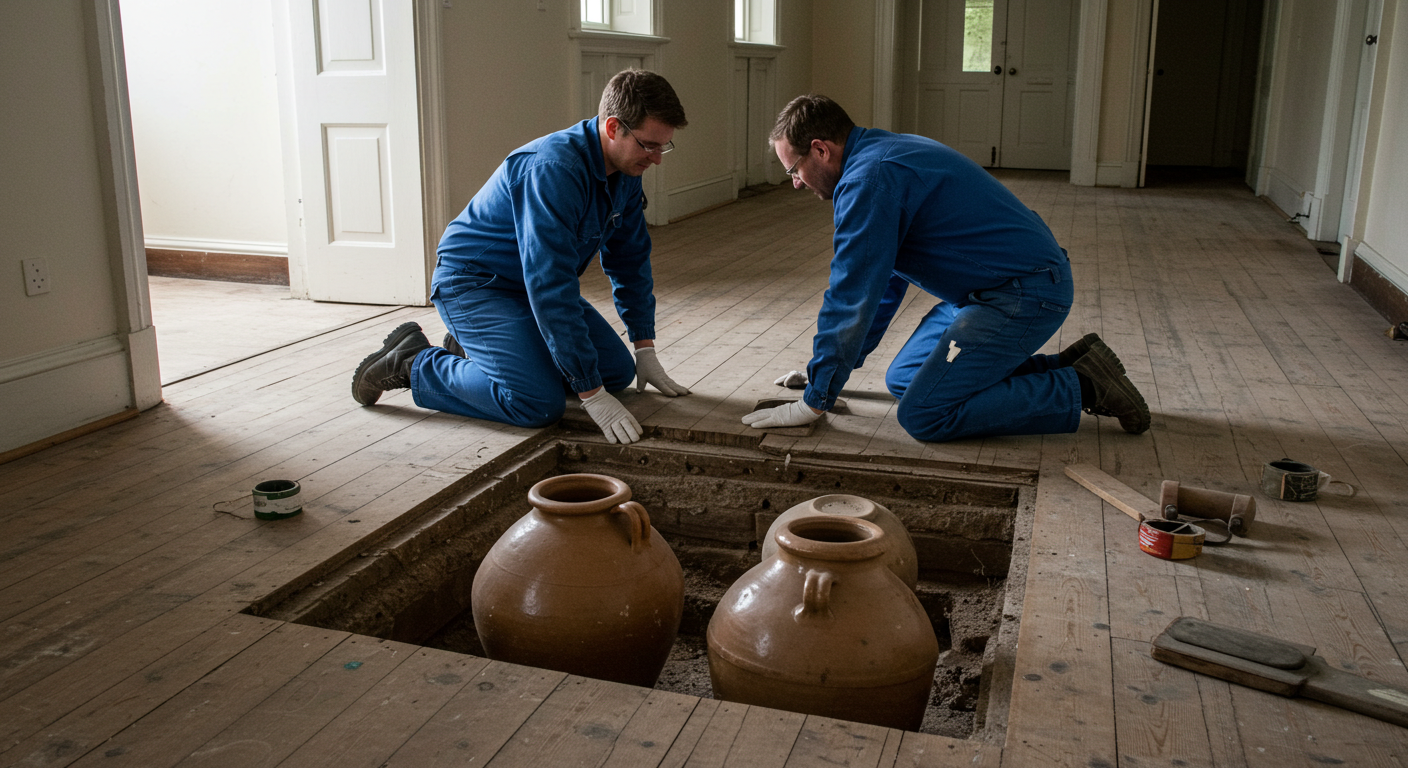
Restorers Lift the Floor of Quito's 1785 San Lázaro Hospital and Find Two Buried Colonial Jars
A Colonial Hospital Yields a Surprise Beneath Its Floors
San Lázaro Hospital has stood in Quito since 1785, part of a network of colonial-era institutions that shaped daily life in the city long before Ecuador's independence. Like many buildings from that period, it has undergone several rounds of restoration over the centuries, and workers are once again engaged in conservation efforts meant to stabilize and preserve the structure.
It was during this restoration work that a notable discovery reportedly came to light: two buried jars found beneath the hospital's flooring. The find has generated interest among those following Quito's historic preservation projects, though it's worth noting upfront that many details remain limited and unconfirmed pending further verification from archaeological or heritage authorities.
What Was Found, and What Remains Unknown
According to available accounts, restoration crews uncovered two jars while working beneath the hospital's floor. Beyond this basic description, specifics about the jars—their material, size, condition, or contents—have not yet been made public in detail. Whether they contained liquids, foodstuffs, or were empty ceremonial or storage vessels is not something that can be confirmed at this stage.
Any dating or archaeological interpretation of the jars should likewise be treated as unconfirmed absent additional sourcing from qualified specialists. It is common, however, for restoration work on colonial-era buildings to reveal objects like this. Buildings from the Spanish colonial period were often modified, expanded, or repaired multiple times over their history, and items get buried, sealed into walls, or left beneath flooring during these processes—sometimes intentionally, sometimes simply forgotten. This is one reason careful archaeological monitoring often accompanies restoration projects on historic sites throughout Latin America.
Quito's Layered Past: Why Hospitals Like San Lázaro Matter
San Lázaro fits into a broader pattern of colonial architecture found throughout Quito's historic center. Hospitals in Spanish American colonial cities served multiple roles beyond medical care—they were often tied to religious orders, functioned as social welfare institutions, and reflected the urban planning priorities of the era.
Quito's historic center holds UNESCO World Heritage status, recognized for its remarkably preserved colonial architecture and urban layout. That designation carries an emphasis on ongoing preservation, meaning restoration projects at sites like San Lázaro form part of a larger, sustained effort to protect the city's architectural and cultural legacy. Discoveries like these buried jars are a reminder that Quito's colonial past isn't confined to museums or archives—it remains physically embedded in the buildings people walk through every day.
Why This Matters to Expats in Quito
For expats living in or visiting Quito, finds like this add another layer of texture to daily life in a city where the past is never far from the surface. Historic sites such as San Lázaro offer more than architectural interest; they provide a tangible connection to the layered history that shapes Quito's identity today.
Many longtime residents note that these kinds of discoveries can deepen an expat's sense of place, turning a walk through the historic center into something closer to a conversation with the city's past. Those curious about ongoing restoration and archaeological work around Quito might consider following updates from local heritage organizations or municipal preservation offices, which sometimes share findings as projects progress.
Whether or not further details about these particular jars ever emerge, the discovery serves as a useful reminder: in a city as historically dense as Quito, restoration work is rarely just about fixing a floor. It's also an ongoing dialogue with everything that came before.