Rescue Stories from Ecuador: Animals That Found a Second Chance
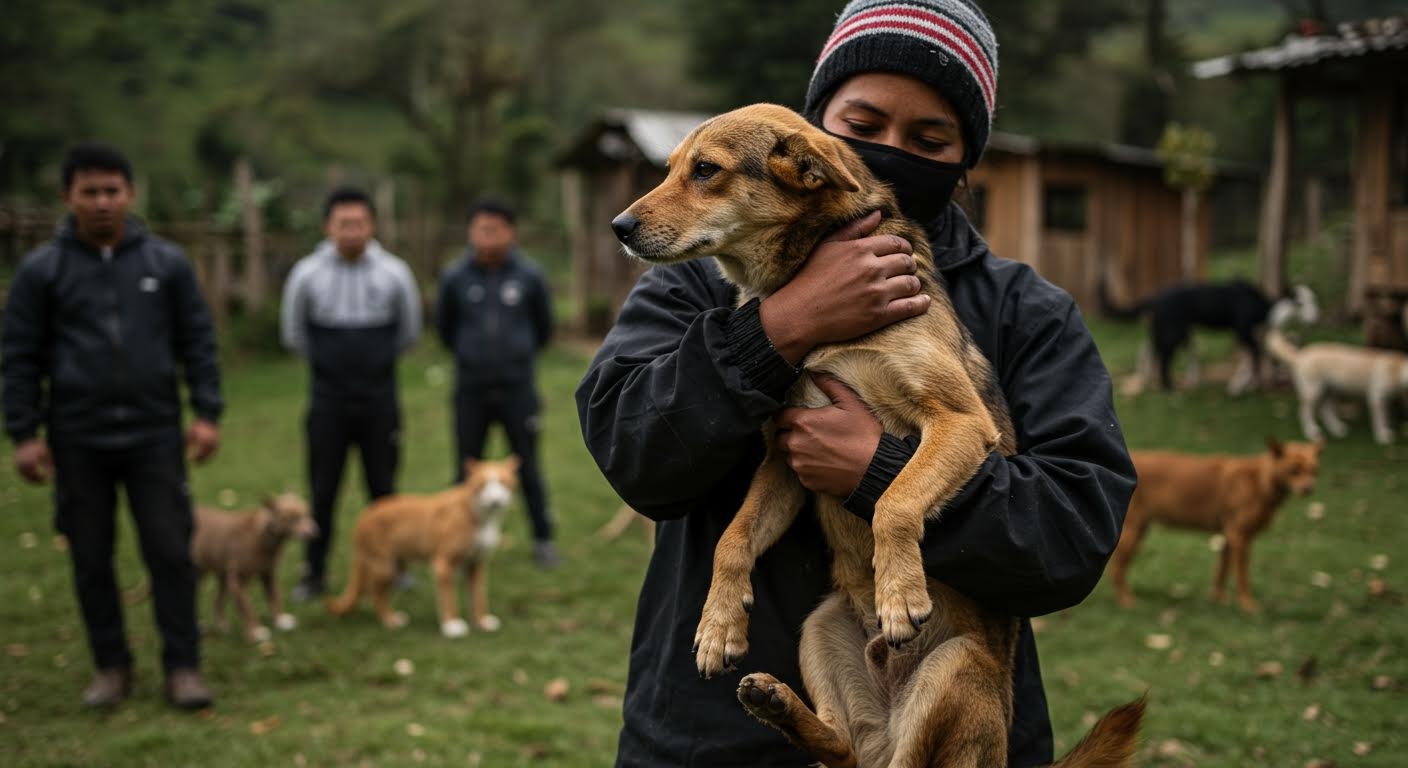
On the cobblestone streets of Cuenca, in the misty highlands of the Andes, and beneath the dense canopy of the Amazon rainforest, countless animals have found unexpected lifelines through Ecuador's growing rescue movement. What makes these stories remarkable is how expat communities have transformed not just individual animal lives, but entire approaches to animal welfare across this incredibly biodiverse nation.
A Land of Second Chances
Ecuador's position as one of the world's most biodiverse countries means animal rescue here takes many forms. From volcanic peaks where llamas roam to Pacific coastlines where sea turtles nest, each ecosystem presents unique rescue challenges and opportunities. The country's growing expat community has become integral to addressing these needs, bringing international perspectives, resources, and networks to support local conservation and rescue efforts.
This movement extends far beyond simple animal rescue—it represents a cultural bridge between international animal welfare standards and local community needs, creating sustainable solutions that benefit both animals and the people who share their environments.
Street Dogs Finding Forever Homes
Maria, a street dog found limping through Cuenca's historic center with matted fur and fearful eyes, represents thousands of similar stories across Ecuador. When Canadian expat Sarah Thompson discovered her, Maria was malnourished and had clearly never known human kindness. Six months later, after veterinary care, rehabilitation, and patient socialization, Maria had transformed into a healthy, confident companion who now serves as a therapy dog for elderly residents at a local care facility.
Organizations like Cuenca's PAR (Protección Animal del Azuay) have become focal points for expat involvement in street dog rescue. Founded with significant expat support, PAR operates spay-neuter clinics, runs adoption programs, and provides emergency medical care for street animals. Similar organizations in Quito, including FAADA (Fundación Amigos de los Animales), have created networks where expats volunteer their time, professional skills, and financial resources.
The adoption process often involves creative solutions. Many rescued dogs find homes not just locally, but through international adoption networks where expats coordinate with friends and family in their home countries. Flight volunteers—travelers willing to escort rescued animals on flights—have become essential to this system, giving Ecuadorian street dogs opportunities for new lives across North America and Europe.
Wildlife Rehabilitation in the Amazon
Deep in Ecuador's Amazon region, the Merazonia Wildlife Sanctuary operates as a beacon of hope for injured and orphaned jungle animals. British expat couple Lou and John McBride established the sanctuary after witnessing the devastating effects of deforestation and illegal wildlife trade on local animal populations. Their work focuses on rehabilitation and release, though some animals with severe injuries become permanent sanctuary residents and conservation ambassadors.
One of their most memorable cases involved a young ocelot named Luna, found as an orphaned kitten after her mother was killed by hunters. Through months of specialized care, Luna learned essential survival skills in controlled environments before being successfully released back into protected rainforest. Her story represents the delicate balance between human intervention and wild animal autonomy that defines successful wildlife rehabilitation.
International volunteers, many of them expats living elsewhere in Ecuador, travel to remote Amazon locations to support these efforts. They bring diverse skills—from veterinary expertise to construction knowledge for building animal enclosures—while learning about rainforest conservation from local indigenous communities who serve as the sanctuary's cultural and ecological guides.
Farm Animal Sanctuaries in the Highlands
The Andean highlands present different rescue scenarios, often involving farm animals that have been abandoned or abused. American expat Jennifer Martinez established a small sanctuary near Otavalo after encountering a donkey that had been beaten and left for dead beside a mountain road. That single rescue grew into a sanctuary housing over thirty animals, including horses, cows, pigs, and chickens, all living out their lives in peace after experiencing trauma or neglect.
These highland sanctuaries serve dual purposes: providing homes for rescued animals while educating local communities about animal welfare. Martinez regularly hosts school groups and community members, demonstrating how proper animal care benefits both animals and their human caretakers. Her approach emphasizes respect for local customs while gently introducing concepts of animal rights and welfare.
The altitude and climate of the Andes create unique challenges for animal care. Expat sanctuary operators must learn to manage animal health at high elevation, work with limited veterinary resources in remote areas, and navigate cultural differences in how animals are traditionally viewed and treated in rural highland communities.
Coastal Marine Animal Rescues
Ecuador's Pacific coast hosts critical nesting sites for sea turtles, making marine animal rescue a conservation priority. The town of Puerto López has become a center for turtle rehabilitation, with expat marine biologists working alongside local fishermen to rescue injured turtles and protect nesting beaches.
German marine biologist Klaus Weber moved to Ecuador specifically to support sea turtle conservation after years of research on turtle migration patterns. His work involves both direct rescue—treating turtles injured by fishing nets or boat strikes—and community education programs that help local fishermen understand their role in marine conservation.
One particularly touching rescue involved a green sea turtle named Esperanza, found with severe injuries from plastic ingestion. After months of medical treatment and rehabilitation at a makeshift coastal clinic, Esperanza was fitted with a satellite tracking device and released. Her subsequent journey, tracked online by supporters worldwide, took her thousands of miles across the Pacific, demonstrating the global significance of local conservation efforts.
Building Support Networks
What distinguishes Ecuador's animal rescue movement is how expat communities have created sophisticated support networks that transcend geographical and cultural boundaries. Facebook groups like "Animal Rescue Ecuador" connect rescuers from Guayaquil to Galápagos, facilitating resource sharing, emergency consultations, and collaborative rescue efforts.
These networks prove invaluable during crisis situations. When volcanic ash from Sangay affected animals in surrounding areas, expat rescue networks quickly mobilized to provide emergency shelter, veterinary care, and temporary foster homes. The response demonstrated how individual rescue efforts had evolved into a coordinated community capable of responding to large-scale emergencies.
Fundraising has become increasingly sophisticated, with expat rescuers organizing everything from art auctions in Cuenca's galleries to online crowdfunding campaigns that reach international audiences. Many organizations have established partnerships with animal welfare groups in expats' home countries, creating sustainable funding streams for ongoing rescue operations.
Navigating Challenges and Cultural Adaptation
Language barriers often complicate rescue efforts, particularly in emergency situations where quick communication with local veterinarians or authorities is essential. Many expat rescuers invest significant time in learning Spanish and building relationships with bilingual community members who can assist during critical moments.
Veterinary care varies dramatically between urban and rural areas. While cities like Quito and Guayaquil have modern veterinary clinics, rural rescue operations often require expats to develop basic medical skills themselves or arrange transportation to distant facilities. Some expat veterinarians have relocated to Ecuador specifically to address these gaps in animal medical care.
Cultural sensitivity remains crucial. Traditional perspectives on animals—shaped by economic necessity, religious beliefs, and historical practices—don't always align with international animal welfare standards. Successful expat rescuers learn to approach these differences with respect and patience, focusing on education and demonstration rather than criticism.
Building trust with local communities requires time and genuine commitment. Expats who approach animal welfare as cultural collaboration, rather than cultural correction, tend to achieve more sustainable results and develop stronger community support for their rescue efforts.
Transformative Success Stories
The cumulative impact of these individual rescue stories extends far beyond the animals directly helped. Local veterinary practices report increased demand for professional animal care services. Communities that once viewed animal welfare as a luxury are increasingly recognizing it as a community responsibility.
Educational programs initiated by expat rescuers have reached thousands of Ecuadorian children, many of whom are now growing up with different perspectives on animal treatment. School programs that began with simple presentations about pet care have evolved into comprehensive environmental education curricula that address everything from wildlife conservation to sustainable agriculture.
Perhaps most significantly, local Ecuadorians are increasingly taking leadership roles in rescue organizations originally founded by expats. This transition represents the ultimate success of expat-initiated rescue efforts: creating sustainable, locally-owned movements that continue growing long after their international founders move on.
The rescue stories emerging from Ecuador demonstrate how individual acts of compassion can evolve into community transformation. Each animal saved represents not just a life preserved, but a bridge built between cultures, a lesson taught, and a foundation laid for even more rescue success in the future. In a country where biodiversity represents natural treasure, these rescue efforts ensure that human diversity—the collaboration between local and international communities—becomes equally valuable in protecting and preserving life.