Paredones, Molleturo, and the Allure of UFO-Tourism Stories in Azuay
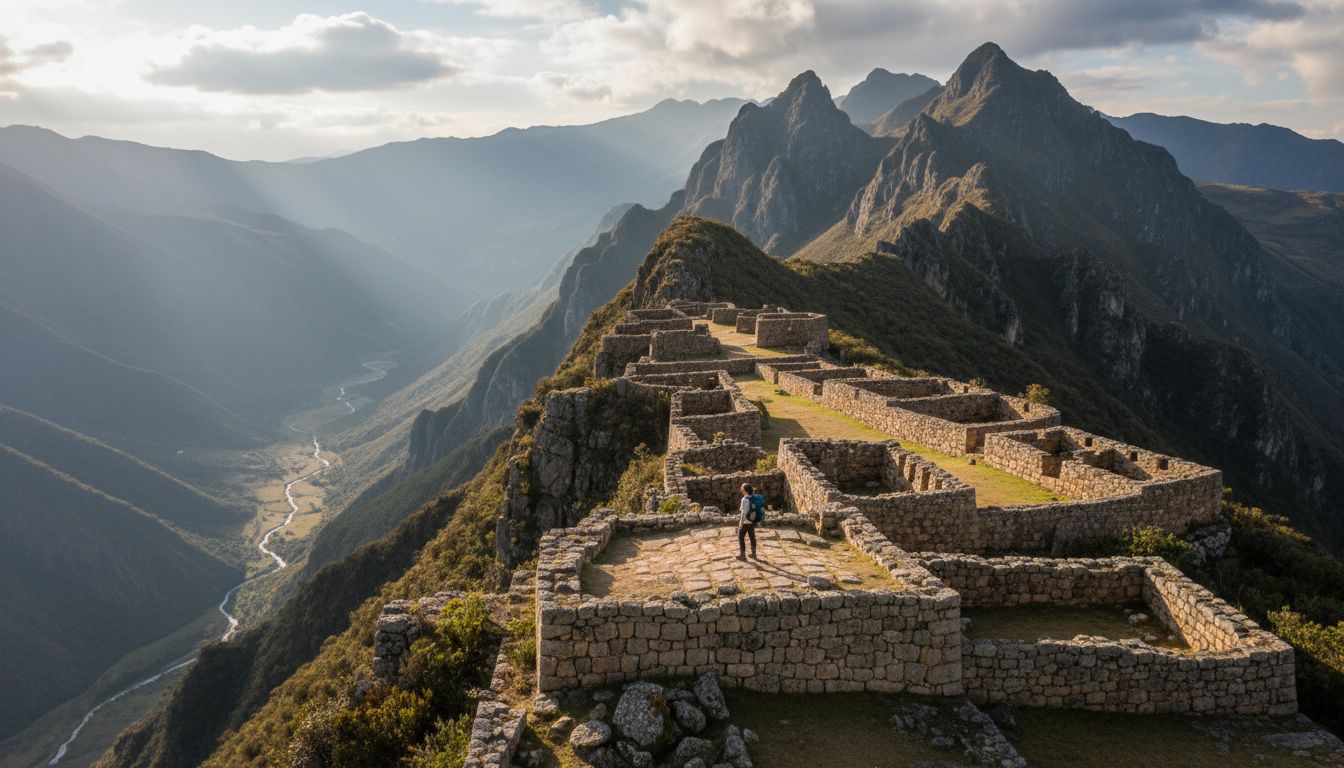
For expats and travelers in Azuay, stories like this have a familiar pull: a remote high-altitude site, old stone ruins, dramatic mountain scenery, and a paranormal label that hints at something more. Paredones, associated with Molleturo, is one of those places that sparks curiosity long before anyone tries to explain it.
In this case, the UFO-tourism angle is best treated as an attributed narrative, not a settled fact. The idea that a ufologist identified Paredones as an Azuay UFO-tourism site may be part of local or niche storytelling, but without supporting documentation, it is more accurate to view it as a claim about the site’s reputation than as a verified designation. That distinction matters, especially with subjects that can slide from intrigue into certainty without enough evidence.
What Paredones in Molleturo Is Said to Be
Paredones is often described as a stone-ruins site in the Molleturo area, in a rugged Andean landscape west of Cuenca. Reported details about the location and elevation vary, and even the commonly repeated figure of roughly 3,800 meters should be treated as approximate unless confirmed by reliable mapping or archaeological documentation.
That uncertainty does not make the place less interesting. If anything, it adds to the atmosphere. Remote highland sites often collect layers of meaning over time: some archaeological, some local, and some imaginative. A careful reader will want to separate what is visible in the landscape from what may have been added later through lore, tourism talk, or speculation.
There is also a difference between a site being old, striking, or culturally resonant and it being fully understood. Many people are drawn to places like this precisely because they seem to sit at the edge of explanation. For some, that prompts historical questions. For others, it opens the door to paranormal interpretations.
How the UFO-Tourism Label Enters the Picture
The UFO-tourism label seems to come from the kind of narrative that often grows around isolated, visually dramatic places. A ufologist may have described Paredones in those terms, but without sourced confirmation, that should be presented as part of the story surrounding the site, not as proof of anything unusual taking place there.
This kind of framing is familiar in many regions. A mountaintop, ruins, strange weather, wide horizons, and limited access can all deepen a sense of mystery. Once that feeling takes hold, promotional language, local storytelling, and personal interpretation can easily blend together. What begins as an opinion or colorful description can gradually start to sound like an accepted fact if repeated often enough.
That does not mean the interest is insincere. It simply means the strongest verified point may be that the site has developed a certain reputation among people drawn to unexplained or symbolic landscapes. For tourism-minded visitors, that reputation alone can be enough to inspire a trip.
What Makes the Site Interesting Even Without the UFO Claim
Even without the paranormal branding, Paredones has the elements of a compelling destination story. High altitude changes how a place feels. The air is thinner, distances seem larger, and the environment can feel exposed and hidden at the same time. Stone remains in that kind of setting naturally invite questions about who built them, why they are there, and how they fit into the wider history of the region.
For many expats, this is exactly the kind of place that stands out in Azuay. It combines the pleasure of discovery with the uncertainty that makes travel memorable. Not every meaningful excursion needs to end with a neat conclusion. Sometimes the appeal is simply reaching a place that feels old, quiet, and unresolved.
There is also a broader human pattern at work. Travelers often look for places where history, landscape, and mystery overlap. Whether the mystery turns out to be archaeological, cultural, or mostly invented, the emotional experience can still feel real. In that sense, Paredones may be compelling not because it proves an extraordinary story, but because it gives people room to imagine one.
Questions a Careful Reader Should Ask
If you come across claims about Paredones as a UFO-tourism site, a few basic questions can help keep the story grounded. Who made the claim? Did it appear in an interview, a tourism pitch, a social media post, or a published source? Was the site’s elevation measured and documented, or is it simply being repeated from secondary accounts?
It is also worth asking what is actually known about the ruins themselves. Do they appear in archaeological records? Are they mainly part of local oral history? Are visitors describing what they saw firsthand, or repeating a story they heard somewhere else?
Those questions do not ruin the mystery. They simply help separate observation from interpretation. A dramatic site can remain dramatic even after unsupported claims are set aside.
How to Think About the Story Responsibly
The most responsible way to approach Paredones in this context is as an exploratory story about curiosity, setting, and reputation. It is fair to say the site has been described in paranormal or UFO-tourism terms. It is less responsible to present that framing as established truth without solid sourcing.
Language matters here. Phrases like reportedly, is said to be, and has been described as help keep the article honest about what is known and what remains unverified. That kind of caution is especially useful when a place already has enough natural intrigue on its own.
For readers in Cuenca and beyond, the most interesting takeaway may be simple: Paredones sounds like one of those Andean sites where atmosphere does much of the storytelling. If the UFO-tourism label draws attention, the landscape and unanswered questions may be what keep people interested. Enjoy the mystery, but keep a skeptical eye on any claim that arrives with more drama than documentation.