One Weekend, Three Climates: My Ecuador Adventure
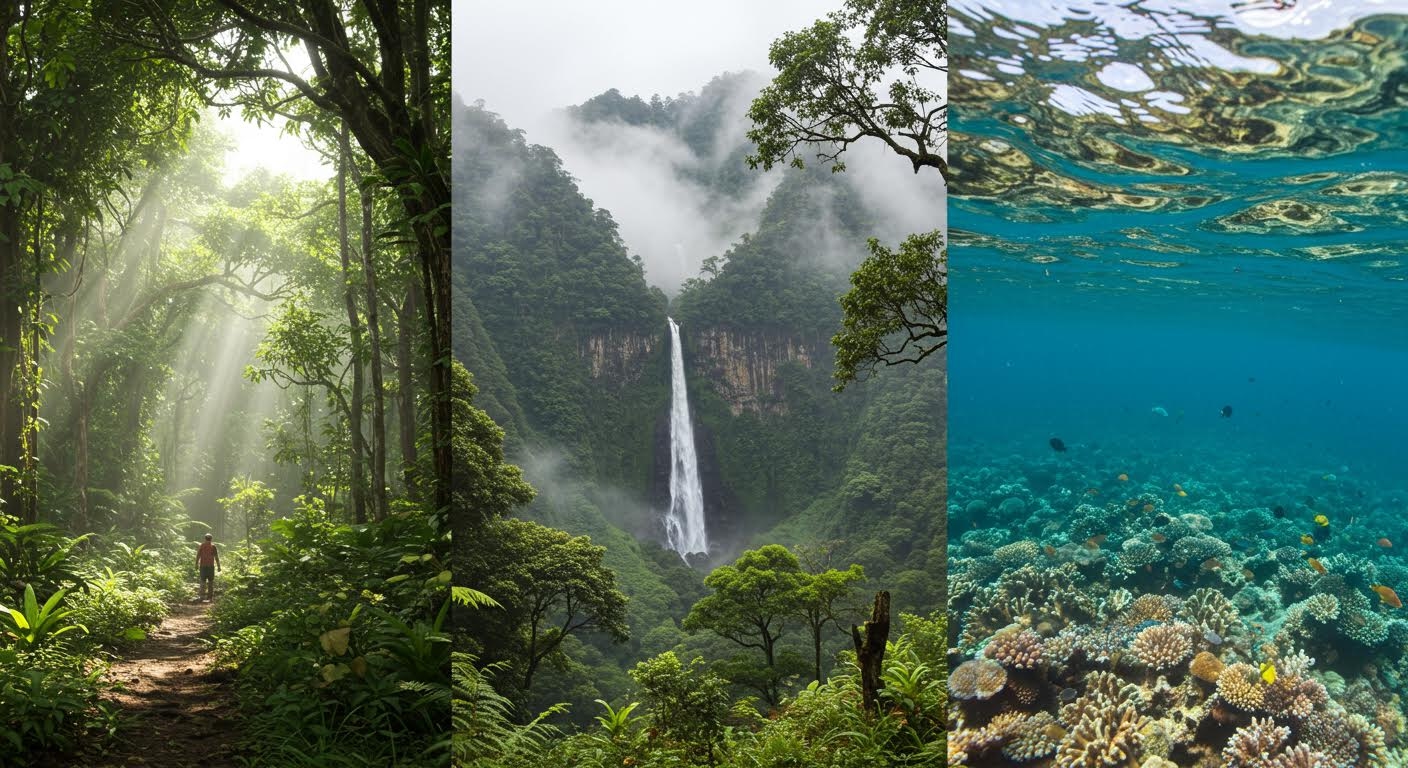
When I first moved to Ecuador, fellow expats would casually mention experiencing "all four seasons in one day." I thought they were exaggerating—until I decided to test Ecuador's legendary climate diversity with an ambitious weekend adventure.
The Challenge: Three Climates in 48 Hours
Ecuador's compact geography is miraculous. In a country smaller than Colorado, you can go from snow-capped Andean peaks to tropical beaches to misty cloud forests within hours. This unique positioning along the equator, combined with dramatic elevation changes, creates distinct microclimates just miles apart.
My mission was simple: experience three completely different climates in one weekend. Starting in Quito's eternal spring, descending to the humid Pacific coast, then climbing into the mysterious cloud forest—all while seeing how quickly I could adapt to these dramatic shifts.
As an expat still learning to call Ecuador home, I wanted to understand the geographical forces that shape this country's incredible diversity.
Friday Evening: Quito's Eternal Spring
Landing in Quito at 9,350 feet immediately showcases Ecuador's vertical diversity. Even in the evening, the mountain air had that crisp bite requiring a jacket—completely different from the sea-level heat I'd left earlier that week.
The capital's "eternal spring" reputation is spot-on. Temperatures hover between 50-70°F year-round, creating perpetual sweater weather that locals have mastered with their layered clothing style. Walking through the historic center, I noticed how the thin air made every step more deliberate, every breath more intentional.
Packing for this climate-hopping adventure was strategic layering at its finest. My backpack contained everything from beach shorts to rain gear to warm layers—Ecuador's geographical complexity compressed into one weekend bag.
The altitude hit subtly but persistently. Not dramatic mountain sickness, just a gentle reminder that I was breathing rarefied air in a city perched high in the Andes.
Saturday Morning: Plunge to the Tropical Coast
The three-hour drive from Quito to the coast is like traveling through a geographic time machine. Our rental car's temperature gauge told the story: 60°F at departure, climbing steadily as we descended toward sea level.
Reaching the coastal lowlands, humidity hit like opening an oven door. Within hours, I'd gone from needing a jacket to stripping down to the lightest clothes possible. The air felt thick, heavy, tropical.
The cultural shift matched the climate change. Fresh ceviche replaced hearty mountain stews. Life's pace seemed to slow with the humid air. Locals moved with the deliberate rhythm of people adapted to heat and humidity—something I frantically tried to copy while my body adjusted.
What amazed me was watching Ecuadorians seamlessly navigate these transitions. Bus drivers, vendors, traveling families—they packed and dressed with the practiced efficiency of people who regularly hop between climates.
Saturday Evening: Into the Cloud Forest
The journey from coastal heat to cloud forest mist was the weekend's most dramatic transition. As we climbed back into the mountains, temperature dropped, but unlike Quito's dry air, this carried serious moisture.
Ecuador's cloud forests exist in a magical elevation zone where warm, moist air from the lowlands meets cool mountain temperatures, creating perpetual mist and fog. The ecosystem feels otherworldly—everything drips, everything grows, everything seems vibrantly alive.
The temperature wasn't just cooler—it was different. Moisture made 65°F feel completely unlike the same temperature in dry mountain air. My clothes felt damp within minutes, not from sweat but from the environment itself.
Wildlife emerged from the mist like fantasy characters. Birds with impossible colors, plants that seemed designed by an overactive imagination, and the constant sound of water—dripping, flowing, creating a natural symphony that doesn't exist in drier climates.
This ecosystem showcased Ecuador's incredible biodiversity. Within 48 hours, I'd experienced environments so different they could have been different planets, yet they existed within hours of each other.
Sunday: Processing the Journey
Waking up in cloud forest mist, then driving back through these climate zones in reverse, gave me time to process the physical and emotional impact of rapid environmental change.
My body adapted remarkably quickly—adjusting to altitude, heat, humidity, and back again. But the mental impact lasted longer. Experiencing such dramatic geographical diversity in compressed time created new appreciation for Ecuador's complexity.
The practical lessons were immediate: always pack layers, hydration needs change dramatically with humidity and altitude, and Ecuadorian weather apps are suggestions rather than predictions when crossing multiple climate zones.
More importantly, this weekend shifted my understanding of Ecuador's cultural diversity. When your daily reality can include mountain, coast, and jungle climates, of course cultural adaptation would be equally varied.
What This Weekend Revealed About Ecuador
This climate-hopping adventure showed me Ecuador as a geographical microcosm of South America—maybe even the world. Few places offer such dramatic environmental diversity within such a compact area.
The experience also revealed how geographical diversity shapes Ecuadorian culture. Clothing styles, food preferences, daily rhythms, and social customs aren't just regional differences—they're climate adaptations developed over generations of living with incredible environmental variety.
Ecuador deserves recognition as one of the world's most geographically diverse travel destinations. Where else can you experience Andean highlands, tropical beaches, and cloud forest ecosystems in a single weekend without international flights?
As an expat, this weekend pushed boundaries I didn't know I had. It challenged assumptions about travel, climate, and adaptation while deepening my appreciation for the country I'm learning to call home.
Ecuador's climate diversity isn't just geographical curiosity—it's daily reality that shapes everything from agriculture to architecture to social customs. Understanding this environmental foundation gave me insight into the cultural complexity that makes Ecuador such a fascinating place to live and explore.
Next weekend, I'm thinking about tackling the Amazon lowlands. After all, there's still one major climate zone I haven't experienced yet.