New to Cuenca? How to Handle Foundation Day Without Missing the Magic
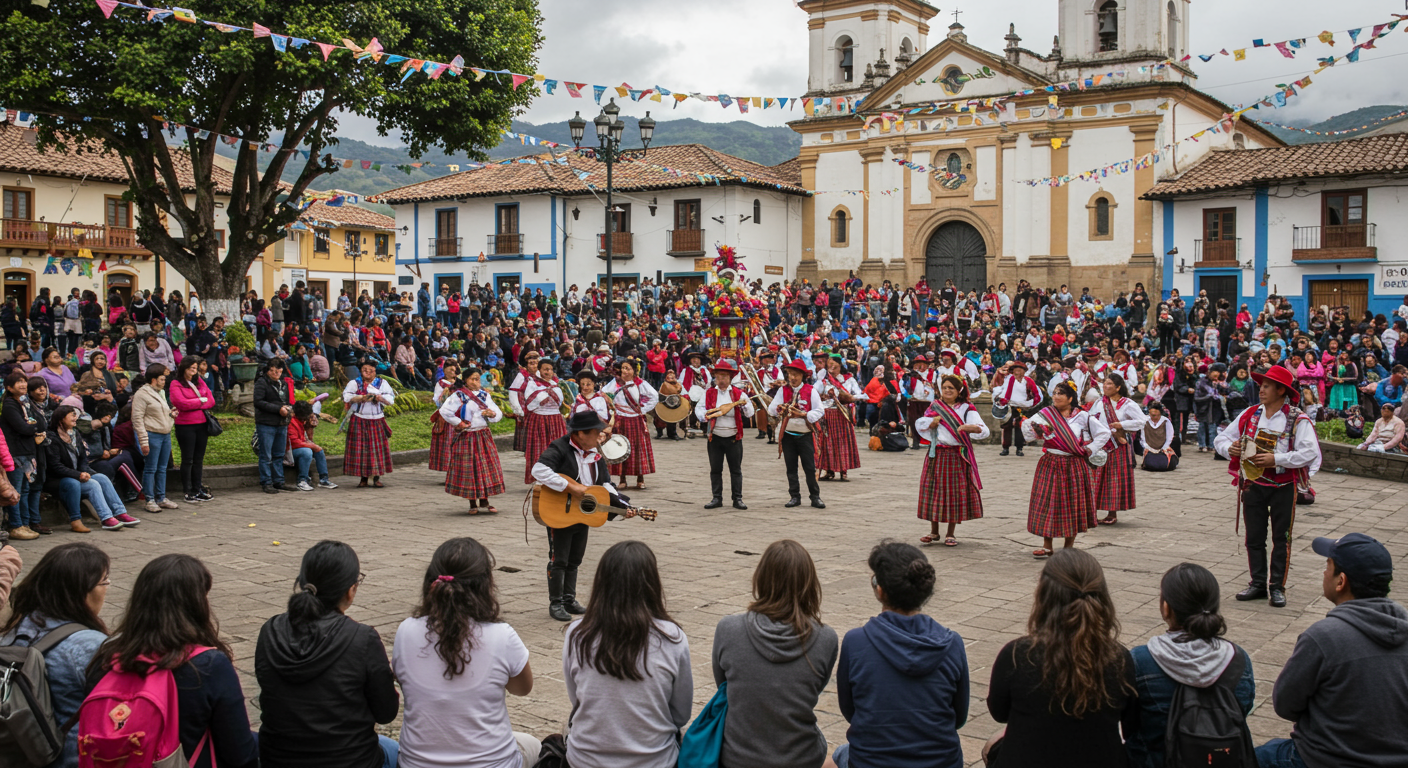
If you are a new expat in Cuenca, Foundation Day can feel like the city suddenly turned up the volume on everything. Streets get busier, plazas feel more animated, and everyday errands can take longer than usual. Even if you have lived through major civic celebrations elsewhere, Cuenca’s April atmosphere can still catch you off guard.
The key is not to treat the week as a disruption to normal life. It is better understood as one of the clearest expressions of local identity, pride, and tradition. With a little planning and a lot of flexibility, Foundation Day can become one of your best early experiences in the city.
Why Foundation Day Feels Bigger Than a Normal Festival Week
Foundation Day is more than a single ceremony or parade. In Cuenca, it often brings a citywide surge of energy, with public gatherings, cultural programming, music, and heavier activity in central areas. For new arrivals, that means the city may feel more festive, more crowded, and less predictable than during a normal week in April.
If you hear big numbers attached to the celebration or see references to packed event calendars, take that as a reason to stay alert rather than make rigid plans. Schedules, locations, and event totals can change, so it is wise to check official local listings before committing to anything important.
What New Expats Usually Notice First
The first thing many newcomers notice is the sheer increase in movement around the historic center. Streets and plazas that already draw foot traffic can become much more active, especially near public gathering points. A short walk can turn into a stop-and-go experience once crowds begin to build.
Noise is usually the second surprise. Depending on the day and the area, you may hear amplified music, ceremonies, fireworks, or evening events carrying farther than expected. Even if you live outside the center, the city can feel more energized than usual.
The third adjustment is routine. Taxis may take longer, buses may be delayed or rerouted, restaurants can fill up quickly, and simple errands may become more time-consuming. None of that is necessarily a problem if you expect it in advance.
The Practical Survival Guide: Plan Your Week Like a Local
If you know a major celebration day is approaching, avoid overloading your schedule with appointments in the historic center. A meeting that looks easy on paper can become stressful if roads close or crowds slow everything down.
Build extra transit time into all your plans. This matters whether you use taxis, buses, rides from friends, or your own car. During busy periods, the difference between a relaxed day and a frustrating one is often just thirty extra minutes of margin.
For long days out, keep the basics with you: cash, water, sunscreen or a hat, and a backup phone battery. Public events often involve more walking and waiting than people expect, and it is much easier to enjoy the day when you are prepared.
If your ideal evening is staying home while the city celebrates around you, shop ahead. Stock up on groceries, make restaurant reservations early if you want dinner out, and assume last-minute convenience may be harder to find.
Crowds, Closures, and Getting Around Without Losing Your Mind
During major civic celebrations, temporary street closures and rerouted traffic are common enough that you should build them into your day. The most obvious routes are not always the fastest, especially near plazas, parade corridors, and event zones.
Walking is often the smartest choice, but only if you do it strategically. Wear comfortable shoes, travel light, and expect slower movement once you reach the most popular areas. A route that looks short on a map may take much longer when sidewalks are crowded.
If you drive, it is usually better to park farther from the center and finish the trip on foot. Trying to get door-to-door access in the busiest areas can waste time and raise stress for no real benefit.
Before leaving home, check same-day updates from local municipal, transit, or tourism channels when available. Conditions can shift quickly, and a quick look can save you from heading straight into a closure or bottleneck.
How to Enjoy the Celebration Without Looking Like a Complaining Outsider
One of the easiest mistakes new expats make is treating a major local celebration as if it were just noise, inconvenience, or spectacle. Foundation Day has civic meaning, and many locals experience it as part of the city’s shared identity. Respect for that matters.
Patience goes a long way. The city may be louder, slower, and less efficient for a few days, but that is part of the rhythm of celebration. If you stay calm and flexible, you will usually have a better experience than someone trying to force normal routines onto an unusual week.
It also helps to observe before jumping in. Watch how locals gather, where they stand, how families move through events, and how people dress for the occasion. That small pause can help you participate more naturally and respectfully.
Learn a few practical Spanish phrases if you have not already. Simple expressions for asking directions, saying excuse me in a crowd, or thanking someone for help can make the whole experience smoother and more human.
What to Prioritize for a Better First Foundation Day
If the city seems packed with things to do, resist the urge to attend everything. Newcomers often enjoy the celebration more when they choose one or two anchor experiences instead of chasing every possible event.
A good formula is to combine one lively public outing with something slower and more reflective. That might mean spending time in a busy plaza, then stepping away for coffee, a scenic walk, or a relaxed meal in a neighborhood spot.
If you prefer calmer energy, go early. Popular areas are often easier to enjoy before peak crowds arrive, and you may get better photos, easier movement, and more space to take in the atmosphere.
Leave room for spontaneity too. Some of the best expat memories come from unplanned moments: hearing music from a side street, finding a local food stall, or stumbling into a neighborhood scene that was not on your radar at all.
Common Rookie Mistakes During Big City Celebrations
The most common mistake is assuming normal traffic, business hours, and service speed will continue unchanged. During a citywide celebration, normal is exactly what you should not expect.
Another classic error is trying to drive directly into the busiest zones. Even when it seems possible, it often turns into a headache that could have been avoided by parking farther out.
People also wait too long to make dinner plans, arrange meetups, or do basic shopping. During celebration periods, a little advance planning pays off more than usual.
And yes, one of the fastest ways to look out of step is to complain loudly about noise or disruption without recognizing the importance of the holiday to the community around you.
Don’t Just Survive It. Let It Introduce You to Cuenca.
For new expats, Foundation Day can be a fast education in how Cuenca sees itself. You get to watch local pride in public, feel the city’s rhythm change, and notice how community life fills streets and plazas in a different way.
If your plans shift, treat that as part of the experience rather than a failure of logistics. Stay curious, keep your expectations loose, and use the week as a chance to understand the city a little better.
And if you want exact details on event schedules, closures, or official programming, verify them through current local listings before you go. The more flexible your mindset, the easier it is to enjoy the celebration for what it is: not just something to get through, but one of the most revealing ways to meet Cuenca.