Mystery Tourism Comes to Cuenca: An Expat's Journey into Ecuador's Legendary Side
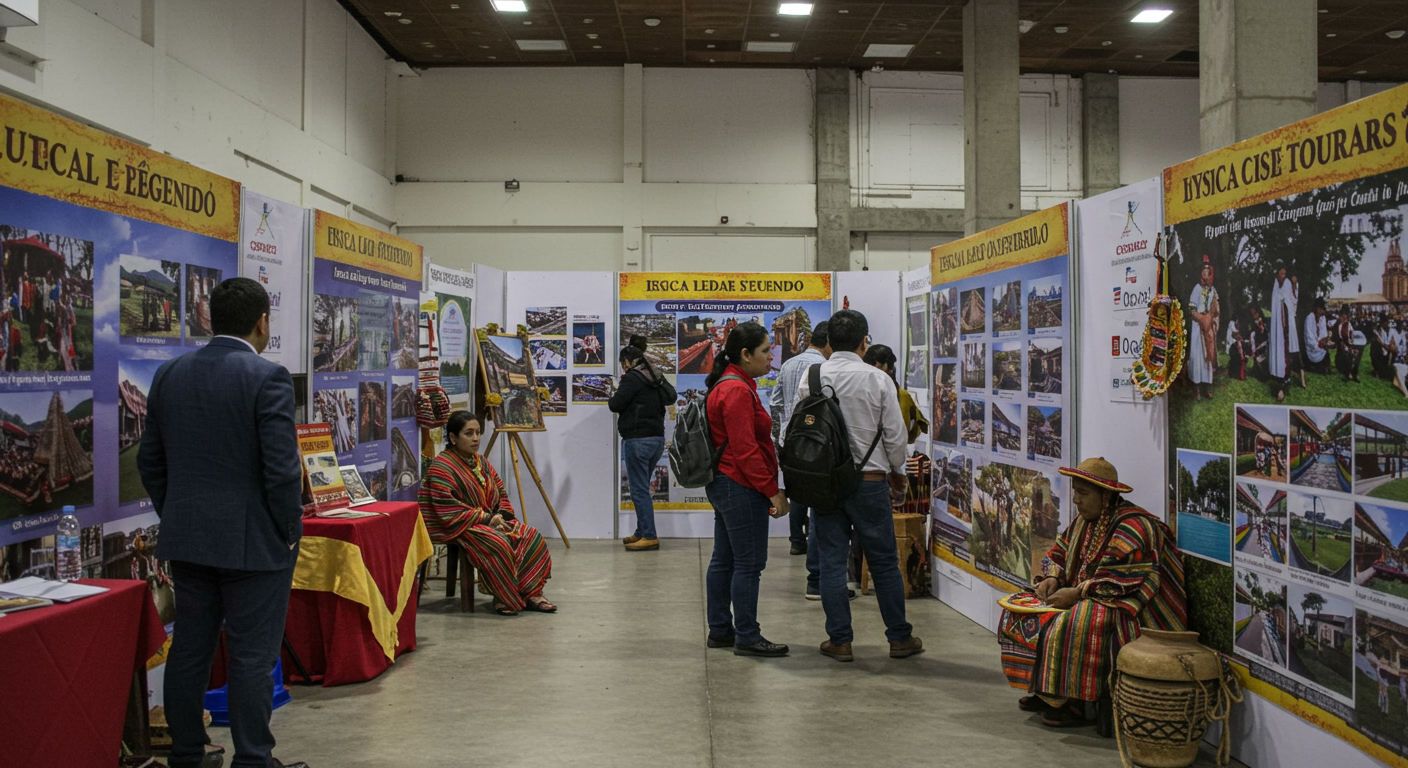
As an expat living in Cuenca, I thought I had a decent grasp on what makes this colonial city tick. The cobblestone streets, the stunning architecture, the vibrant markets—these were the draws I understood. Then I heard about Cuenca hosting Latin America's second International Mystery Tourism Congress, and I realized there was an entire industry built around the stories and legends I'd been walking past every day.
The announcement caught many of us off guard. Mystery tourism—the practice of traveling specifically to experience unexplained phenomena, local legends, and mysterious sites—has been quietly growing throughout Latin America. That Cuenca was selected as only the second city in the region to host such an event speaks to something deeper about this place we've chosen to call home.
The Business of Local Legends
What fascinated me most was discovering how local stories transform into tourism products. The legends that elderly Cuencanos share in the markets aren't just cultural heritage—they're potential economic engines. Mystery tourism operators identify these stories, research their historical context, and develop experiences around them.
The economic model is surprisingly sophisticated. Tour operators collaborate with local historians, indigenous community leaders, and municipal authorities to create "mystery trails" through the city and surrounding areas. These aren't your typical ghost tours—they're carefully crafted experiences that blend historical research with storytelling, often incorporating archaeological sites and locations with documented unexplained phenomena.
The challenge, from what I observed at local planning meetings, lies in balancing authenticity with commercialization. How do you package a centuries-old indigenous legend for international tourists without losing its cultural significance? How do you ensure that the communities whose stories you're sharing actually benefit from the tourism revenue?
Cuenca's Hidden Mystique
Living here day-to-day, it's easy to overlook the mystical elements that draw mystery tourists. The city sits at a unique geographical confluence—surrounded by mountains, built on ancient Cañari foundations, with Spanish colonial architecture layered on top of Inca ruins. This layering of civilizations has created a rich tapestry of unexplained stories.
There are the indigenous tales of the Cañari people about the lagoons in nearby Cajas National Park, stories of shapeshifters and water spirits that predate the Inca conquest. Colonial-era mysteries include unexplained phenomena in some of the city's oldest churches and convents, documented incidents that local historians have preserved in municipal archives.
What struck me during conversations with longtime residents was their mixed reaction to seeing cultural stories become tourist attractions. Some elderly residents expressed concern about sacred stories being commodified, while others appreciated the renewed interest in preserving oral traditions that might otherwise be lost as younger generations migrate to larger cities.
Inside the Congress Experience
The congress itself revealed just how specialized this tourism niche has become. Attendees included tour operators from across Latin America, researchers specializing in folklore and unexplained phenomena, municipal tourism officials, and documentary filmmakers seeking new subjects.
The workshops covered everything from ethical storytelling practices to using audio technology in creating immersive mystery experiences. One particularly interesting session focused on how GPS and smartphone apps create self-guided mystery tours, allowing tourists to explore legendary sites at their own pace while receiving location-triggered historical context.
What surprised me was the academic rigor involved. These weren't people chasing ghosts or promoting pseudoscience—they were tourism professionals who understand that sustainable mystery tourism requires solid historical research and respectful community engagement.
Opportunities in an Emerging Market
For expats living in Ecuador, the growth of mystery tourism presents unique opportunities. Our bicultural perspective—understanding both international tourist expectations and local cultural sensitivities—positions us well to serve as cultural bridges in this industry.
Some expats I've met are already exploring roles as specialized guides who can explain local legends in multiple languages while ensuring respectful presentation. Others are documenting stories through podcasts or blogs, creating digital content that supports the mystery tourism experience.
The congress highlighted how Ecuador is positioning itself within Latin America's tourism landscape. By hosting specialized events like this, the country is moving beyond traditional eco-tourism and cultural tourism to capture niche markets with higher spending potential and longer stays.
However, the real test will be whether this growth benefits local communities or simply extracts their cultural heritage for external profit. The most successful mystery tourism initiatives I learned about were those that employed local storytellers, partnered with indigenous communities, and contributed portions of revenue to cultural preservation efforts.
As Cuenca continues to attract international attention through events like this congress, we expats have a responsibility to ensure our involvement in new tourism sectors respects and supports the communities that welcomed us. The mystery tourism industry offers an intriguing glimpse into how ancient stories can find new life in the modern economy—but only if we approach it with the cultural sensitivity our adopted home deserves.