My First Ecuadorian Hospital Visit: Navigating Healthcare as an Expat
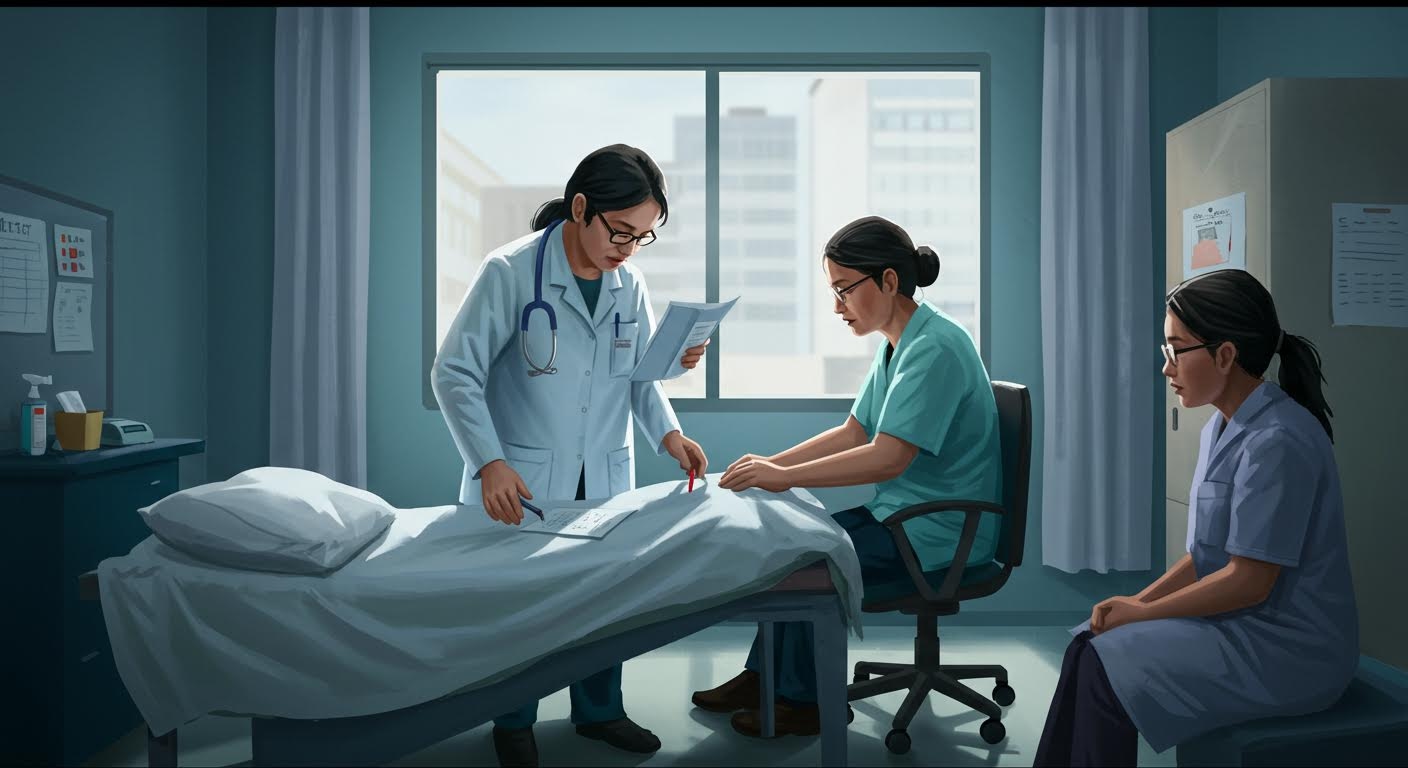
When you move to a new country, there are certain experiences you hope to avoid for as long as possible. For me, visiting an Ecuadorian hospital was definitely one of them. But sometimes life has other plans, and what started as a routine day quickly turned into my first real test of navigating Ecuador's healthcare system as a foreigner.
The Unexpected Visit
It began with what I initially dismissed as a minor stomach issue. After three days of persistent discomfort that kept worsening, I realized this wasn't something I could ignore or treat with over-the-counter remedies. The decision to seek medical attention brought with it a wave of anxiety I hadn't anticipated – not just about my health, but about how I would communicate my symptoms, what documents I'd need, and whether I'd receive quality care.
Choosing which hospital to visit felt overwhelming. As a newcomer, I had limited knowledge of the local healthcare landscape. I ended up asking my Ecuadorian neighbor for advice, who recommended the nearest public hospital while mentioning that private facilities might offer shorter wait times. Weighing my options between cost and convenience, I decided to start with the public option.
First Impressions and Check-In
Walking into Hospital Eugenio Espejo in Quito, I was struck by how busy and bustling it was. The facility was older than I expected, but clean and well-maintained. The waiting areas were packed with families – entire extended families, it seemed – accompanying patients of all ages.
The registration process proved more straightforward than I'd feared. I needed my passport, and fortunately, I had brought a copy of my temporary resident visa. The staff member at reception spoke slowly and clearly when I explained in my broken Spanish that I was a foreigner. She handed me several forms to fill out, and while most were in Spanish, the layout was intuitive enough that I could navigate them.
What surprised me most was how patient-centered the process felt, despite the crowds. There was a clear system in place, with numbered tickets and electronic displays showing wait times. I found myself observing how other patients moved through the system, learning the unwritten rules of hospital etiquette.
Language Barriers and Communication
This was where my anxiety peaked. Medical Spanish was definitely not covered in my basic language classes. I had prepared by writing down key phrases and symptoms, but when it came time to describe the exact nature of my pain, I found myself fumbling.
The nurse who first attended to me was incredibly patient. When I struggled to explain that the pain was "sharp" versus "dull," she started pointing to different parts of her own abdomen and asking "¿Aquí duele?" (Does it hurt here?). We worked together, with her asking yes-or-no questions that I could answer confidently.
I had downloaded Google Translate as a backup, which proved helpful for more complex terms. The staff didn't seem bothered by this – in fact, several seemed familiar with patients using translation apps. One nurse even helped me verify that I had translated "allergic reaction" correctly when discussing my medical history.
The Medical Experience
When I finally saw the doctor, I was impressed by his thoroughness and professionalism. Dr. Morales spoke some English, which immediately put me at ease. He explained each step of his examination in both Spanish and English, helping me learn medical vocabulary along the way.
The diagnostic process included blood work and an ultrasound. The equipment appeared modern and well-maintained. What struck me was how much time the doctor spent with me – nearly thirty minutes – explaining possible causes and treatment options. This felt luxurious compared to rushed appointments I'd experienced back home.
The medical protocols seemed quite similar to what I was used to, though I noticed more emphasis on family involvement in treatment decisions. The doctor asked several times if I wanted to call a family member or friend, seeming surprised that I was handling this alone.
Costs and Payment Process
This was perhaps the biggest surprise of the entire experience. The total cost for my visit, including consultation, blood work, ultrasound, and prescribed medication, came to $47. I had to read the bill twice to make sure I understood correctly.
Payment was straightforward – they accepted cash, cards, and even had payment plan options for larger bills. The transparency was refreshing; each service had a clearly itemized cost with no hidden fees or surprise charges later.
Coming from a healthcare system where a simple emergency room visit could cost hundreds or thousands of dollars, this felt almost surreal. The quality of care I received seemed comparable to what I'd expect at home, but at a fraction of the cost.
Cultural Observations and Reflections
What struck me most about the experience was the sense of community and family involvement in healthcare. Waiting rooms were filled with extended family members supporting patients, and this seemed not just accepted but encouraged by the medical staff.
The pace was different too – less rushed, more conversational. Medical staff took time to explain things thoroughly and seemed genuinely interested in ensuring I understood my treatment plan. There was a warmth and personal touch that I hadn't expected in a busy public hospital.
The experience taught me several valuable lessons for future healthcare needs in Ecuador. First, having a basic medical vocabulary in Spanish is crucial, but staff are generally patient and helpful with language barriers. Second, bringing copies of important documents is essential, but the administrative process is more straightforward than I'd anticipated.
Most importantly, I learned not to let fear of the unknown prevent me from seeking necessary medical care. The Ecuadorian healthcare system, at least from my limited experience, proved to be accessible, affordable, and professionally managed.
Looking back, what began as an anxious and uncomfortable situation turned into a confidence-building experience. It showed me that living as an expat in Ecuador doesn't mean sacrificing quality healthcare, and that sometimes our fears about navigating foreign systems are bigger than the reality of the experience itself.