Lost on the Inca Trail Extension: A Journey That Didn't Go as Planned
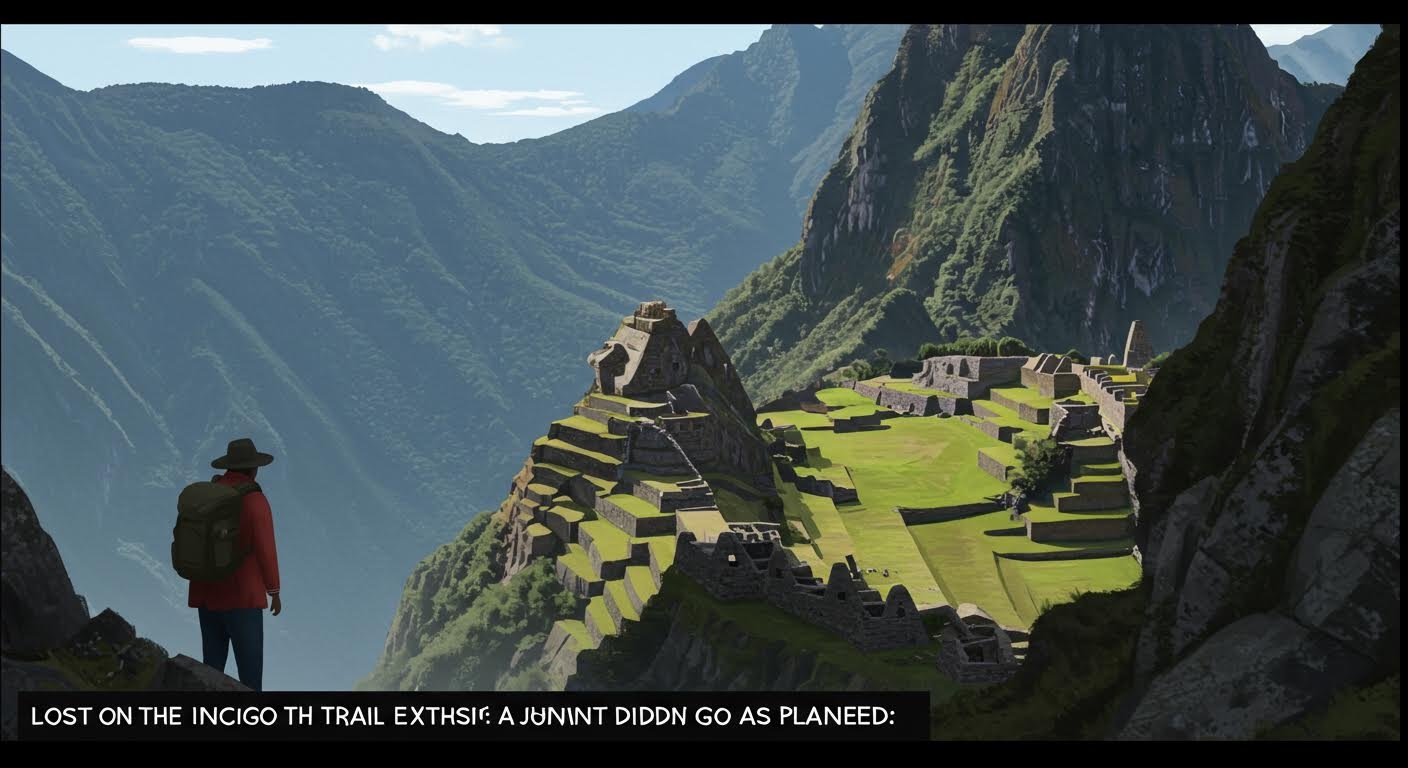
Some travel stories begin with breathtaking sunrises over ancient ruins. This one starts with the sinking realization that we had no idea where we were, somewhere in the Peruvian Andes, three days into what was supposed to be the adventure of a lifetime.
The Plan vs. Reality: Setting Off on the Inca Trail Extension
Six months of planning had led to this moment. While most tourists stick to the classic four-day Inca Trail, we had opted for the seven-day extension that promised deeper immersion into remote Andean landscapes and lesser-known archaeological sites. The brochures painted pictures of pristine wilderness, authentic cultural encounters, and the satisfaction of truly earning your arrival at Machu Picchu.
The initial excitement was infectious. Our group of eight international travelers bonded quickly during the briefing in Cusco, sharing stories of previous adventures and dreams of Instagram-worthy summit photos. Our guide, Carlos, seemed knowledgeable enough, pointing out medicinal plants and sharing Quechua names for the peaks surrounding us as we began our ascent.
But even on day one, small details felt off. The promised GPS devices never materialized. The backup guide mentioned in our contract was absent due to a "family emergency." Most concerning, the detailed trail maps we'd been shown during booking looked nothing like the hand-drawn sketches Carlos consulted when he thought we weren't watching.
When Everything Started Going Wrong
Day three brought the moment of truth. We had been climbing steadily through increasingly sparse terrain when Carlos stopped abruptly, staring at his compass with a frown that needed no translation. The trail we'd been following for the past two hours simply ended at a rocky outcrop with no clear continuation.
The weather, which had been our ally with clear skies and perfect temperatures, turned vindictive. Andean weather systems move fast, and within an hour we were battling sideways rain and visibility that dropped to mere meters. The lightweight tents that had seemed adequate in the gear shop suddenly felt like paper shields against the mountain's fury.
Equipment failures cascaded like dominoes. The water purification system clogged with sediment from a questionable stream crossing. Two sleeping bags developed mysterious tears, soaking their contents. Most critically, our satellite communication device – the one piece of safety equipment we'd all insisted upon – displayed nothing but an error message no amount of button pressing could resolve.
Communication within the group became strained as reality set in. Carlos alternated between overconfident declarations that he knew exactly where we were and hushed conversations with his porter in rapid Quechua. Trust, that crucial ingredient for any adventure, began evaporating faster than our dwindling water supply.
Survival Mode: Making Decisions in Crisis
Panic has a strange timeline. It hits like a wave, washing away all your careful plans and reasonable thoughts, leaving you gasping and disoriented. But panic also recedes, and in its wake comes a clarity I'd never experienced before. We weren't on vacation anymore – we were in survival mode.
The shift happened during an impromptu group meeting on day four. Instead of pointing fingers or dissolving into despair, we started problem-solving. Food rationing became mathematical rather than emotional. We inventoried every energy bar, every packet of dried fruit, calculating calories against the unknown number of days ahead.
Morale management required conscious effort. We instituted evening "gratitude rounds" where each person shared one positive thing from the day, no matter how small. "I'm grateful my boots are still waterproof." "I'm grateful Sarah shared her extra socks." It sounds cheesy, but those moments of forced optimism became lifelines.
The interpersonal dynamics under stress revealed everyone's true character. The investment banker who'd bragged about his CrossFit routine became our group's emotional anchor, quietly checking on everyone's mental state. The soft-spoken teacher from Canada emerged as our unofficial navigator, methodically comparing landscape features to our inadequate maps.
Most importantly, I learned the difference between tourist mindset and traveler mindset. Tourists expect things to go according to plan. Travelers adapt when they don't.
Finding Our Way: The Long Road Back
Breakthrough moments, we discovered, rarely announce themselves with fanfare. Ours came in the form of llama droppings – specifically, fresh ones indicating a herding trail that had to lead somewhere. Following animal paths is old wisdom, but when you're lost in the Andes, ancient knowledge becomes cutting-edge navigation.
The trail led us to a settlement that existed on no map we'd seen. Three stone houses, a handful of terraced fields, and a family who welcomed eight bedraggled foreigners with the kind of hospitality that restores your faith in humanity. They shared their evening meal of quinoa soup and potatoes, communicated directions through gestures and broken Spanish, and refused any payment for their kindness.
The physical toll was undeniable. We'd stretched our planned four-day food supply across seven days of hiking. Everyone had lost weight, nursing various injuries and fighting the constant exhaustion that comes from poor sleep and high altitude. More surprising was the emotional exhaustion – the constant low-level anxiety of not knowing when we'd reach safety.
When we finally saw the familiar red roofs of Ollantaytambo in the distance on day eight, the relief was overwhelming. Several people cried. We'd made it back to civilization, battered but intact, with a story that none of us would trade despite its hardships.
Lessons Learned: What I Wish I'd Known Before
Adventure travel companies vary wildly in their standards and preparation. The red flags I missed during booking now seem obvious: vague itineraries, reluctance to provide guide credentials, and prices significantly below market rate. Legitimate operators should provide detailed emergency protocols, backup equipment, and verifiable guide certifications.
Every adventure trip needs multiple backup plans. We should have carried redundant navigation tools, emergency shelter beyond our regular tents, and at least two different communication devices. Most importantly, someone in the group should have had basic wilderness first aid training and navigation skills independent of the guide.
This experience fundamentally changed how I approach travel. I still seek adventure, but now I distinguish between acceptable risk and unnecessary danger. I research operators thoroughly, read reviews from multiple sources, and always carry my own emergency equipment regardless of what's promised.
Perhaps most unexpectedly, I learned that some of the best travel stories do indeed come from the worst experiences. The pristine, Instagram-perfect trips fade from memory, but the challenges teach you something about yourself you can't learn any other way. Getting lost on the Inca Trail Extension wasn't the adventure I planned, but it was exactly the journey I needed.
Would I do it again? In a heartbeat – but next time, I'm bringing my own GPS.